90% of the 5 million patients of the immune system disorder Lupus worldwide are young girls or women.
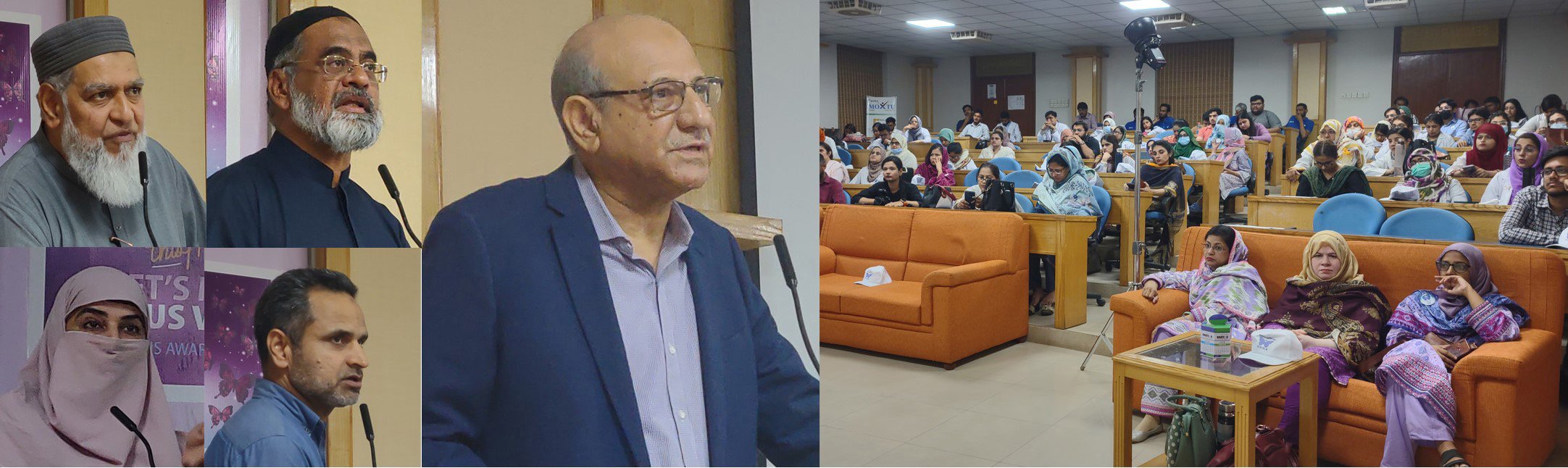
Karachi: 90% of the 5 million patients of the immune system disorder “Lupus” worldwide are young girls or women, so it is considered a women’s disease. Unfortunately, there is no single test to diagnose this disease globally, but the diagnosis of this disease is made by various tests and symptoms of the affected patient, that is why there are difficulties in its diagnosis, which is detrimental to the patient. This disease usually affects women between 15 and 50 years of age. These remarks were made while addressing a mini-symposium organized by the Department of Medicine and Rheumatology in the Digital Library of Dow University of Health Sciences in connection with “World Lupus Day”. Prof. Khalid Mahmood attended as Chief guest while Head of Medicine Dow University Hospital Prof. Iftikhar Ahmed, Dr. Taab e Rasool, Dr. Mahfooz Alam, Dr. Tahira Parveen spoke on this occasion. Other participants included Principal Dow International Medical College Dr. Zeba Haq, Medical Superintendent Dow University Hospital Prof. Jahan Araya, Prof. Faisal Fayyaz Zuberi, Dr. Tariq Farman and Dr. Zahid Azam.
Prof. Khalid Mehmood of Aga Khan University Hospital in his keynote address, said that lupus is a centuries-old disease which was named Stenosis after diagnosis by Hippocrates, with changing times it was named lupus in the middle of the 19th century and Sir William Osler, the founder of modern medicine, described this disease as “it is a multisystem dermatological disorder” and this theory helped the world to understand the disease. He said that the diagnosis of lupus is difficult, its treatment is also very difficult. This disease can be “curable”, it does not go away after treatment like TB, but like blood pressure and diabetes, it can prevented from getting worse by precautions and medication. He said that even today, doctors’ questions about lupus are still waiting to be answered, in which an important question is, when to start treatment? If the symptoms of lupus and the diagnostic test got positive, because sometimes this disease is “over diagnosed” and sometimes “late diagnosed”. He said that FDA-approved targeted therapies bring disease reduction and relief, but these drugs are still available in developed countries, with only one or two drugs are in the registration process in Pakistan. He said that apart from the above-mentioned obstacles in Pakistan, other factors are also the cause of obstacles in its treatment, including social factors, poverty, and general negligence in medical care. Even the middle class people cannot afford the cost of its treatment.
Professor Iftikhar said in his address that we need to raise awareness and awareness about lupus in the society, the patient should also be fully aware of his disease that his treatment is long-lasting and the use of medicine should be continued. Yes, there may be other complications if left untreated. He said that the diagnosis of lupus is difficult, so it is necessary for the patient not to hide anything from the doctors and to bring the symptoms of the disease to the knowledge of the doctors so that timely treatment is possible.
Dr. Taab e Rasool of Dow University explained the purpose of the mini-symposium and said that the purpose of this symposium is to inform physicians and junior doctors about the symptoms, diagnosis and treatment of lupus and to understand the importance of early diagnosis of the disease. Because lupus is an immune system disease in which the body’s immune system starts fighting against its own cells and organs, it can be controlled if diagnosed and treated in time, otherwise its complications include Other life-threatening diseases can also occur, including kidney damage, low blood cells, heart, lung, and abdominal fluid accumulation.
Professor Mehfooz Alam of Liaquat National Hospital said that social factors are also a major problem in continuing the treatment of lupus, because this disease occurs in young women, so the girls who are diagnosed with this disease before marriage are diagnosed by their in-laws after marriage. There is objection on the part of parents to use so many medicines continuously, then during pregnancy they need to be very careful and often there is a risk of death due to carelessness.
At the end of the symposium, the organizers presented a commemorative shield to the chief guest Prof. Khalid Mahmood, while Prof. Khalid Mahmood appreciated the organizers for organizing such an informative symposium and awarded shields to the speakers.