Lebanon and Israel Prepare for New Talks as Israeli Withdrawal Begins
US-backed negotiations will resume in Italy on Aug 4 as Israel withdraws from parts of southern Lebanon and the Lebanese army expands its deployment.
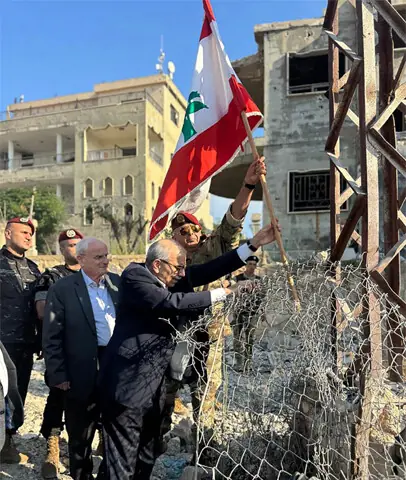
Lebanese troops deploy after Israeli forces withdraw from a southern town.
Lebanon Israel talks are set to resume on Aug. 4 in Italy as both countries move ahead with a US-brokered plan that includes phased Israeli troop withdrawals and the deployment of the Lebanese army in southern Lebanon.
A Lebanese official said the next round of ambassador-level negotiations will take place in Italy, where both sides will discuss technical details of the agreement and the implementation of pilot zones.
Although Lebanon and Israel remain formally at war and have no diplomatic relations, they have held more than three months of direct US-mediated talks aimed at ending years of hostilities between Israel and Hezbollah.
The latest negotiations follow a framework agreement reached last month that outlines Hezbollah’s disarmament, the gradual withdrawal of Israeli forces from southern Lebanon and the deployment of Lebanese troops in areas vacated by Israeli forces.
President Pezeshkian Calls for Stronger Pakistan-Iran Cooperation and Muslim Unity
Israeli Forces Begin First Withdrawal
Israel this week completed its first withdrawal under the agreement by pulling troops out of the southern Lebanese town of Zawtar al-Gharbiyeh. The Lebanese army has since begun deploying forces in the area but urged residents to delay their return until military teams clear unexploded ordnance.
Lebanese Prime Minister Nawaf Salam visited the town on Wednesday, raised the national flag and pledged to reopen roads, remove debris and restore essential public services to help displaced residents return home.
Salam welcomed the Israeli withdrawal as an important first step but stressed that Lebanon expects Israel to complete a full withdrawal from all occupied territory in the south.
Thousands Still Unable to Return
Israel continues to maintain what it describes as a security buffer zone extending about 10 kilometres inside Lebanese territory along the border. Israeli forces have evacuated villages within the zone and demolished numerous buildings despite last month’s ceasefire.
The continued military presence has prevented tens of thousands of displaced Lebanese residents from returning to their homes.
Israeli officials insist their troops will remain until Hezbollah fully disarms, while Hezbollah has rejected direct negotiations with Israel and refuses to surrender all of its weapons.
During a visit to Washington, Lebanese President Joseph Aoun said a complete Israeli withdrawal would remove Hezbollah’s long-standing justification for remaining armed.
Residents Hope for Lasting Peace
According to the United Nations, more than 700,000 displaced people have already returned home in recent weeks following a sharp decline in violence.
Residents gathered outside Zawtar al-Gharbiyeh on Wednesday, waiting for permission to re-enter the town after security forces complete clearance operations.
Despite progress under the agreement, Israeli forces continue to carry out occasional strikes in nearby areas, including Nabatieh al-Fawqa, highlighting the fragile nature of the ceasefire.