Donald Trump Announces US Iran Deal to End Conflict
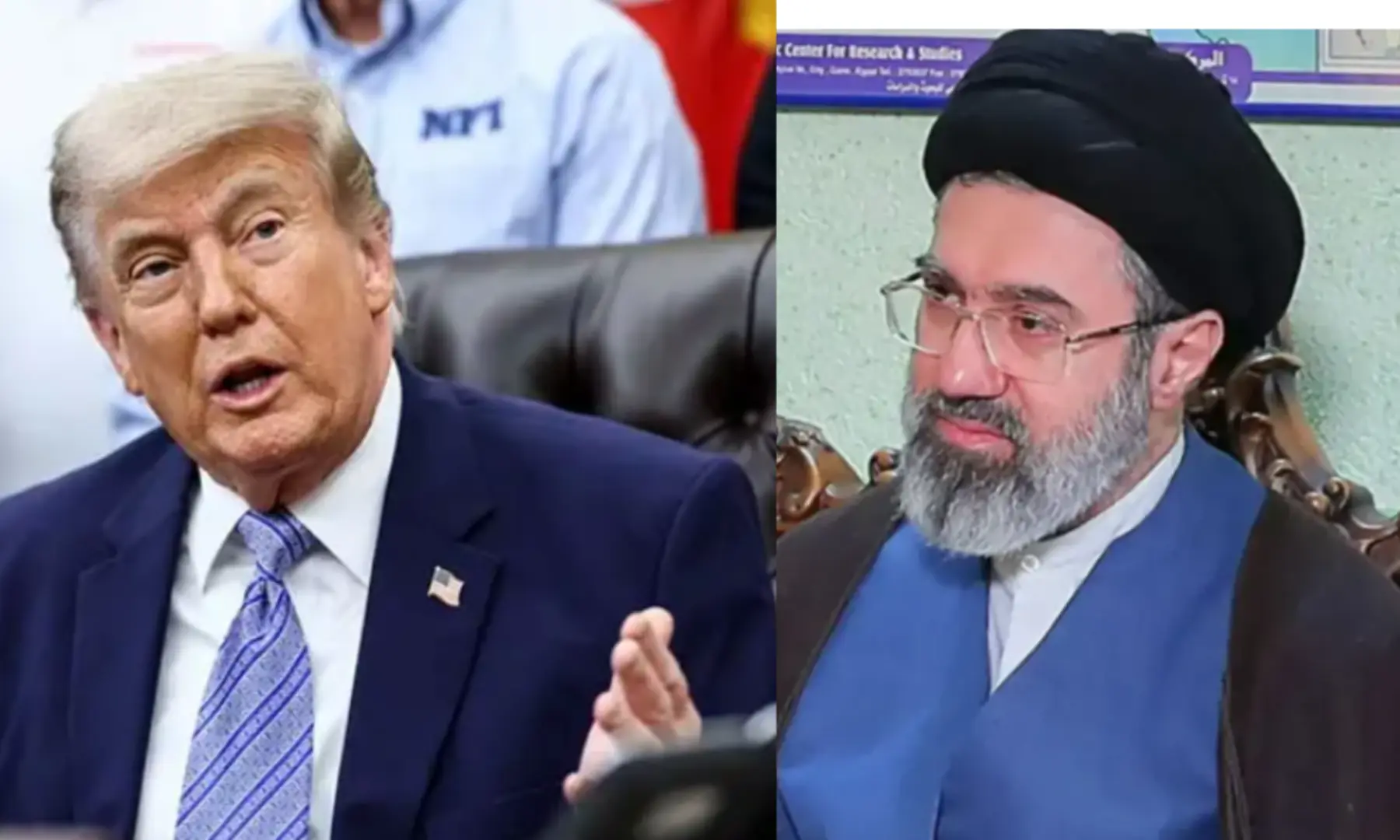
Global markets react to the announcement of the US-Iran framework agreement
The US Iran Deal moved global attention toward diplomacy after officials from both countries announced a preliminary framework intended to end the conflict, reopen the Strait of Hormuz, and reduce pressure on global energy markets. The announcement immediately influenced oil prices and investor sentiment.
The US Iran Deal also sparked expectations for broader diplomatic engagement. However, several critical issues remain unresolved, including future negotiations surrounding Iran’s nuclear programme and implementation details of the proposed framework.
Oil Prices Fall After US Iran Framework Deal Announcement
Donald Trump Announces Agreement
US President Donald Trump announced through social media that an agreement with Iran had been completed and encouraged the reopening of global energy flows.
Pakistan’s Prime Minister Shehbaz Sharif also stated that intensive discussions had resulted in an agreement and that military operations across all fronts, including Lebanon, would end immediately and permanently under the announced framework.
He added that an official signing ceremony is expected to take place in Switzerland on June 19. According to his remarks, mediators will continue technical discussions before formal implementation.
Pakistan also acknowledged diplomatic support from Qatar, Saudi Arabia, and Türkiye during the negotiation process.
Strait of Hormuz Reopening Impacts Markets
The proposed agreement includes reopening the Strait of Hormuz, one of the world’s most strategically important energy routes.
Following the announcement, Brent crude prices reportedly declined by around four percent while US oil benchmarks also moved lower. Meanwhile, stock markets across Asia recorded gains as investors reacted positively to easing supply concerns.
Despite market optimism, analysts stated that operational recovery may not happen immediately. Shipping flows, production schedules, and maritime conditions could require additional time before returning to normal levels.
Experts also warned that short-term volatility may continue because several implementation details remain uncertain.
Iran Nuclear Talks Remain Unresolved
Although the framework addressed military tensions and economic restrictions, negotiations regarding Iran’s nuclear programme remain open.
Reports suggested that discussions within the coming months may determine the future of sanctions, frozen assets, uranium stockpiles, and inspection arrangements.
Iranian officials indicated that future talks would focus on achieving a final agreement. Meanwhile, political leaders in Washington continued to stress concerns regarding nuclear oversight and congressional review requirements.
The agreement therefore represents an initial diplomatic framework rather than a complete settlement.
Regional Reactions Shape Next Phase
Regional and international reactions reflected both optimism and caution.
Israeli officials signaled reservations about parts of the agreement, particularly regarding regional security considerations and developments connected to Lebanon.
European leaders also responded by expressing readiness to support diplomatic progress if verifiable commitments emerge through future negotiations.
As negotiations continue, policymakers and markets will closely watch whether the framework develops into a formal agreement capable of sustaining regional stability and restoring confidence across energy and financial systems.