Donald Trump Advances US-Iran Deal Talks Amid Global Shift
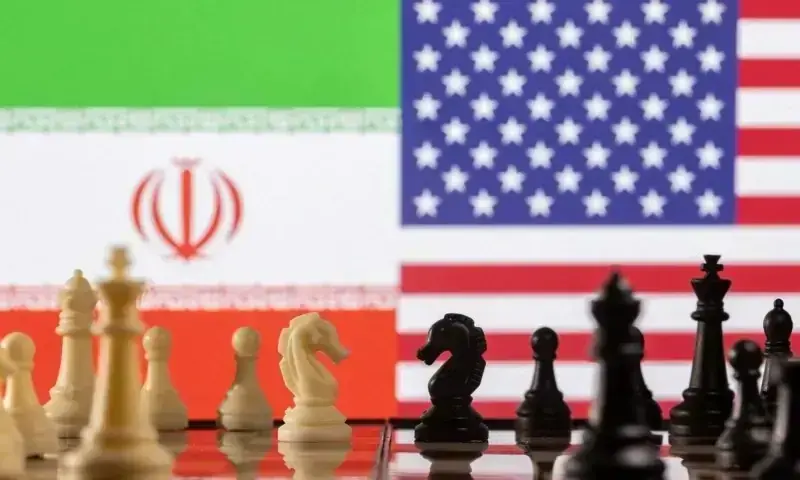
US and Iran move toward a possible framework agreement
The possibility of a new US-Iran Agreement has drawn global attention after signals from Washington and Tehran suggested that a framework understanding could emerge as early as this weekend. However, analysts caution that any announcement would likely represent the beginning of a longer process rather than a final diplomatic breakthrough.
Although public statements have increased expectations, policy experts argue that the current direction points toward an initial memorandum of understanding rather than a completed settlement. Therefore, the coming days may determine the structure of future negotiations and influence broader geopolitical calculations across the Middle East.
Paramount Skydance Secures DOJ Clearance in $110 Billion Merger
Donald Trump Positions US-Iran Agreement As Opening
US President Donald Trump has repeatedly indicated that a major understanding with Iran may be approaching. Iranian officials have also reportedly signalled movement toward an interim arrangement.
Diplomats following the discussions suggest that negotiators are shaping an agreement framework designed to establish principles for future talks. Rather than resolving the most difficult disputes immediately, the reported plan would create conditions for additional negotiations.
Analysts indicate that this structure could include a defined negotiating window. As a result, policymakers may focus on preserving diplomatic leverage while maintaining regional stability during future discussions.
Atlantic Council Examines Next Negotiation Phase
According to commentary from policy experts associated with the Atlantic Council, current discussions appear preliminary. Analysts describe the possible arrangement as an outline document intended to guide later stages of engagement.
Experts reportedly argue that continued strategic coordination remains important throughout the negotiating process. In addition, cooperation with European partners may become increasingly significant if broader diplomatic objectives are pursued.
Several analysts also stated that any lasting arrangement may eventually require discussions beyond nuclear issues. These topics could include missile concerns, regional security dynamics, and wider stabilisation measures.
Brookings Institution Links Talks To Global Changes
Strategic analysis connected with the Brookings Institution places the diplomatic effort within a broader international transition.
Researchers suggest that recent international conflicts have contributed to longer periods of strategic uncertainty. Consequently, countries may increasingly diversify security partnerships rather than depend on traditional guarantees.
Another assessment highlights concerns surrounding maritime security and international trade routes. Analysts argue that access to major shipping corridors is becoming more politically sensitive, creating new pressure points across global commerce.
At the same time, experts note that protecting maritime stability is becoming more complex due to expanding trade volumes and changing naval capabilities.
US-Iran Agreement Faces Complex Global Environment
Even if confirmed, the proposed US-Iran Agreement would likely represent an opening stage instead of a complete resolution.
Policy observers suggest that easing immediate tensions may not eliminate broader strategic competition. Instead, the framework could become an early test of how major powers manage diplomacy in an increasingly fragmented international environment.
For now, officials and analysts continue watching for formal confirmation. If negotiations advance, the next phase may shape both regional security and future global diplomatic alignments.