AI-generated memorial content raises new questions about grief and memory.
The rise of AI soldier videos is creating a new form of digital mourning in Russia. Families of soldiers involved in the war in Ukraine are increasingly using artificial intelligence to generate emotional videos and images of reunions that never happened. While supporters describe these creations as comforting, critics question whether they blur reality and deepen grief.
The trend has grown rapidly across social platforms since mid-2025. Many of these clips portray soldiers returning home, embracing relatives, or appearing in symbolic afterlife scenes. However, experts warn that little evidence exists to show whether these experiences truly support healthy grieving.
Donald Trump Advances US-Iran Deal Talks Amid Global Shift
Katya Jin and AI Soldier Videos
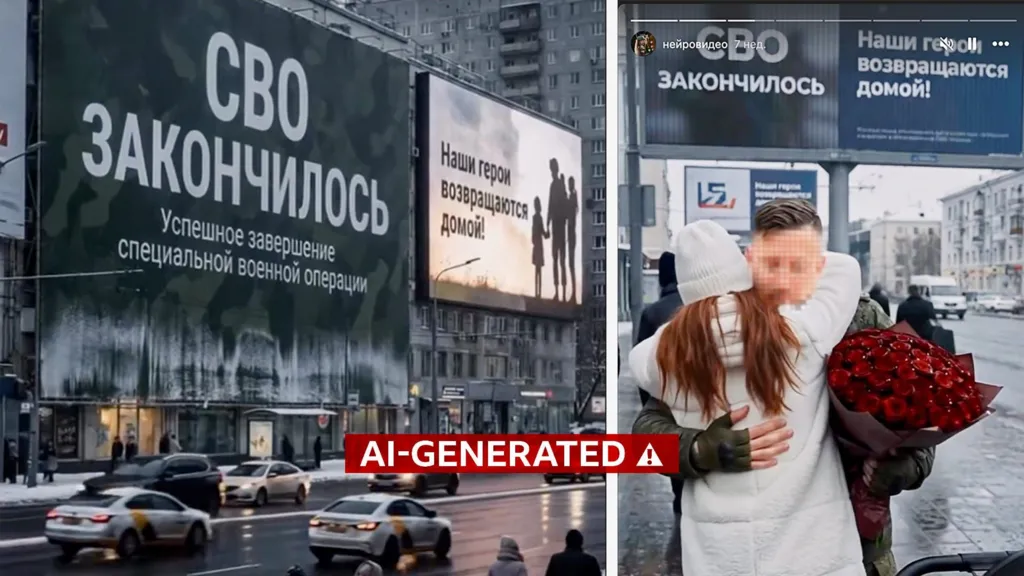
One widely discussed example involved influencer Katya Jin, who posted an AI-generated video depicting a fictional end to the conflict and a reunion with her missing husband.
The short video showed a snowy city scene filled with celebratory messages and emotional imagery. According to reporting and interviews, the content appeared designed to imagine a future reunion rather than document reality.
Later, the creator reportedly removed similar content from social platforms after public attention increased. Before that, she had also shared tutorials explaining how people could create comparable memorial content using personal photographs.
As interest expanded, followers reportedly requested personalized versions featuring their own relatives.
Russian Families Turn to Digital Memorials
Many creators now offer customized memorial projects that transform family photos into cinematic scenes.
These productions often depict soldiers embracing loved ones, walking toward symbolic skies, or appearing as spiritual figures. In some cases, farewell letters and emotional messages are digitally recreated.
Anna Korableva, who launched a memorial-focused project with her sister in 2025, stated that the goal was to help families process unfinished goodbyes.
According to interviews, she explained that emotional distance became necessary over time because the work required technical focus. She also stated that many requests reportedly came from families connected to battlefield losses.
As a result, AI memorial content has developed into a growing niche service.
Ukraine War Context Shapes Reactions
The emotional response to AI soldier videos differs sharply depending on perspective.
Many online users expressed sympathy and described the content as moving. Others argued that portraying soldiers primarily as heroes removes attention from the broader destruction caused by the conflict.
Some Ukrainian viewers criticized these visualizations and questioned whether they reshape public memory.
At the same time, researchers caution against drawing quick conclusions. Emotional reactions to digital grief vary significantly between individuals and cultures.
Therefore, the social impact remains difficult to measure.
AI Creators Build New Digital Services
Access restrictions and technical limitations reportedly encouraged some users to purchase custom AI creations instead of making them independently.
Prices for military-themed content reportedly vary widely depending on complexity and editing quality.
Because production costs remain relatively low, several creators appear to have turned these services into sustainable businesses.
However, criticism also intensified. Some users questioned whether commercializing memorial experiences creates ethical concerns around grief.
That debate continues to expand as generative tools become easier to access.
Researchers Question Long-Term AI Effects
Experts studying digital remembrance say this phenomenon reflects broader changes happening worldwide.
Researchers note that posthumous digital experiences already appear in museums, legal settings, and public storytelling projects. Therefore, wartime adoption of similar tools may not be surprising.
Still, concerns remain.
Some individuals interviewed said AI recreations did not reduce emotional pain and instead reminded them of loss. Others reported feeling temporary comfort and connection through the experience.
Because long-term evidence remains limited, researchers continue studying whether these tools support healing or extend emotional attachment.
For now, AI soldier videos remain both a technological experiment and an emotionally charged social debate.