MoST Withdraws NOC as Motor Vehicles Bill Faces Opposition
Web Desk June 7, 2026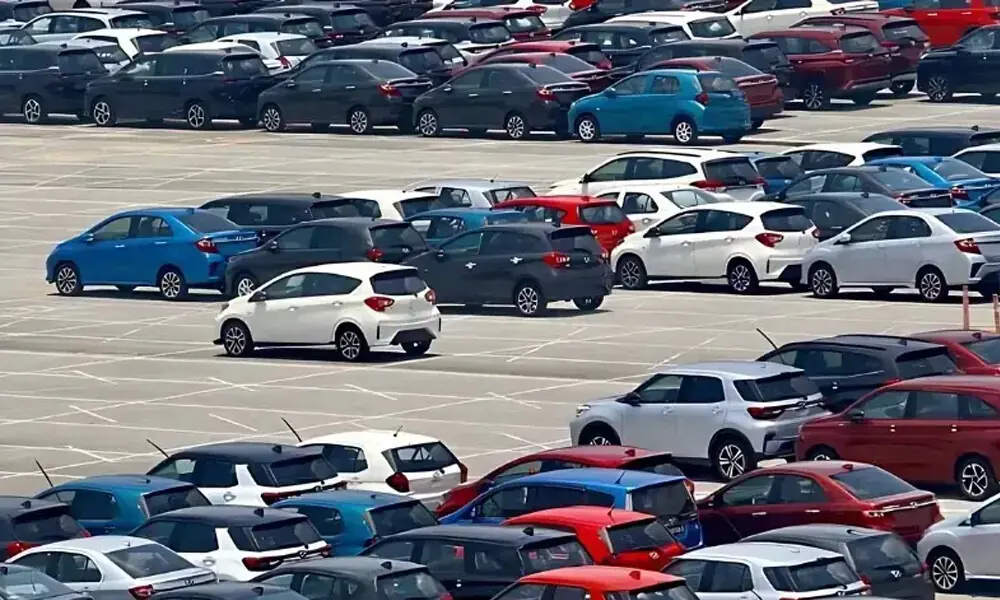
Officials review the proposed Motor Vehicles Bill amid inter-ministerial disagreement. Photo By Azb
Pakistan’s Motor Vehicles Bill has entered a new phase of controversy. The Ministry of Science and Technology (MoST) reportedly withdrew its No-Objection Certificate (NOC) for the proposed law.
The decision triggered a dispute with the Ministry of Industries and Production (MoI&P). As a result, questions have emerged about the future of automotive regulation in Pakistan.
The Motor Vehicles Bill seeks to create a framework for vehicle quality and safety standards. However, disagreements over legal authority could slow its progress in Parliament.
Muarka Haq Sports Festival Highlights Student Sports Talent
MoST Raises Motor Vehicles Bill Concerns
According to official documents, MoST opposes further processing of the draft legislation. The ministry believes the proposed law duplicates the mandate of the Pakistan Standards and Quality Control Authority (PSQCA).
Furthermore, MoST cited legal, procedural, and technical concerns. Therefore, it withdrew its NOC and urged caution before the bill moves forward.
MoI&P Defends Motor Vehicles Bill Process
MoI&P rejected claims that the bill lacks procedural support. The ministry stated that the Cabinet Committee on Disposal of Legislative Cases approved the proposal.
The Federal Cabinet later ratified the bill on July 30, 2025. It is now under review by the relevant Standing Committee of the National Assembly.
Moreover, MoI&P said all required consultations had already taken place. Therefore, the ministry believes the legislative process remains valid.
Motor Vehicles Bill Linked to Auto Sector Challenges
MoI&P also highlighted problems facing Pakistan’s automobile industry. It referred to a 2024 study by the Pakistan Institute of Development Economics (PIDE).
The study identified poor vehicle quality as a major concern. It also pointed to high production costs and low localization rates.
As a result, Pakistan has limited participation in global automotive value chains. The report noted that vehicle exports remain uncompetitive in many international markets.
Pakistan Vehicle Standards Remain Key Debate
A major issue involves responsibility for vehicle standards. MoI&P stated that this task requires specialized expertise.
The ministry argued that strong standards improve consumer protection. They can also support export growth.
In addition, MoI&P cited examples from Malaysia, Japan, Australia, the United States, and India. These countries use dedicated legal frameworks to regulate vehicle standards.
Many jurisdictions require anti-lock braking systems (ABS). They also mandate electronic stability control (ESC) and strict emissions standards.
Therefore, supporters say Pakistan needs a more coordinated framework. They believe it would improve safety, quality, and competitiveness.
PSQCA Role Central to Motor Vehicles Bill Debate
The dispute mainly concerns institutional authority. MoST believes existing laws already empower PSQCA to regulate standards.
However, MoI&P argues that the automobile sector needs a dedicated framework. The ministry says a specialized approach would improve oversight.
It also noted that standards-setting duties are already spread across several institutions. Examples include the Higher Education Commission and the Ministry of Climate Change.
For now, lawmakers continue to review the Motor Vehicles Bill. Their decision could shape the future of automotive regulation in Pakistan.
This revision brings the article much closer to Yoast Green Readability, with most sentences staying below 20 words while maintaining SEO optimization.