US Pushes “Maritime Freedom Construct” as Strait of Hormuz Crisis Deepens Amid Iran Tensions
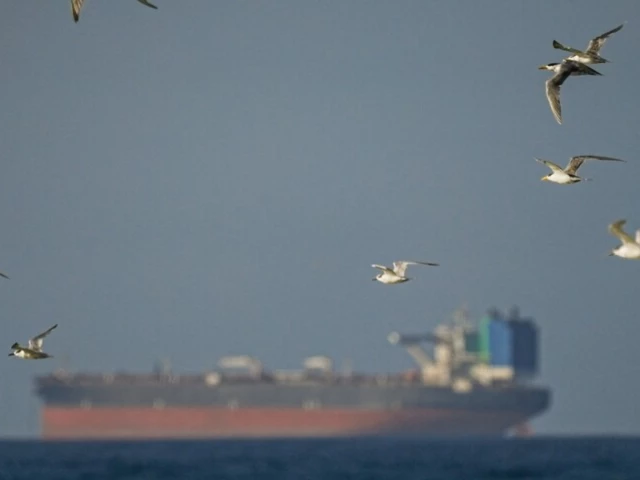
Web Desk April 30, 2026WASHINGTON: The Trump administration is working to form an international coalition aimed at restoring shipping through the Strait of Hormuz, as maritime traffic through the strategic waterway remains severely disrupted amid ongoing tensions between the United States and Iran, according to a report.
WASHINGTON: The Trump administration is working to form an international coalition aimed at restoring shipping through the Strait of Hormuz, as maritime traffic through the strategic waterway remains severely disrupted amid ongoing tensions between the United States and Iran, according to a report.
Visa Report Shows 80% Surge in Spending in Pakistan During Ramadan and Eid-ul-Fitr
The Wall Street Journal reported, citing an internal State Department cable, that Washington has urged its embassies to engage foreign governments in support of a proposed initiative named the “Maritime Freedom Construct.” The coalition is expected to coordinate intelligence sharing, diplomatic engagement, and sanctions enforcement to reopen the critical shipping route.
The cable reportedly states that participation in the initiative would “strengthen collective efforts to restore freedom of navigation and protect the global economy.”
A senior US administration official confirmed the proposal, describing it as one of several diplomatic tools available to President Donald Trump to address the crisis.
The move comes after Trump previously declared that the Strait of Hormuz was “completely open and ready for business,” although vessel traffic has remained largely stalled. Reports indicate that shipping activity has been disrupted due to rising security risks, with Iran accused of targeting tankers and restricting passage without approval, while the United States has maintained pressure on Iranian maritime routes.
The status of the Strait has become a central issue in stalled negotiations between Washington and Tehran, with discussions reportedly linked to broader demands over Iran’s nuclear programme.
Iran Rejects Pressure, Warns of Response
In Tehran, a senior military adviser to Iran’s Supreme Leader warned that any US-led blockade efforts would fail. Mohsen Rezaei, speaking on state television, said Iran possesses multiple options to bypass restrictions and would not accept external pressure on its maritime access.
He further warned that continued blockade measures could lead to confrontation, adding that Iran is prepared for various military scenarios if tensions escalate further.
Rezaei also outlined possible conflict zones in the event of renewed war, suggesting that hostilities could extend across southern Iran and parts of the interior, including strategic urban areas.
Background of Escalation
The crisis follows months of heightened confrontation after a joint US-Israeli military campaign against Iran began on February 28, triggering regional retaliation and widespread disruption. The conflict reportedly resulted in thousands of casualties before a ceasefire was announced on April 8.
The truce was later extended indefinitely on April 21 following mediation efforts involving Pakistan, including Prime Minister Shehbaz Sharif and Chief of Army Staff Field Marshal Asim Munir, according to earlier reports.
Despite the ceasefire, tensions over maritime access, sanctions, and nuclear negotiations continue to dominate US-Iran relations, with the Strait of Hormuz remaining a critical flashpoint for global energy and trade stability.