
US-Iran Tensions Escalate After Ship Seizure
Web Desk April 20, 2026Tensions between the United States and Iran have sharply escalated following the seizure of an Iranian cargo vessel by US forces, casting serious doubt over the future of a fragile ceasefire and ongoing diplomatic efforts.
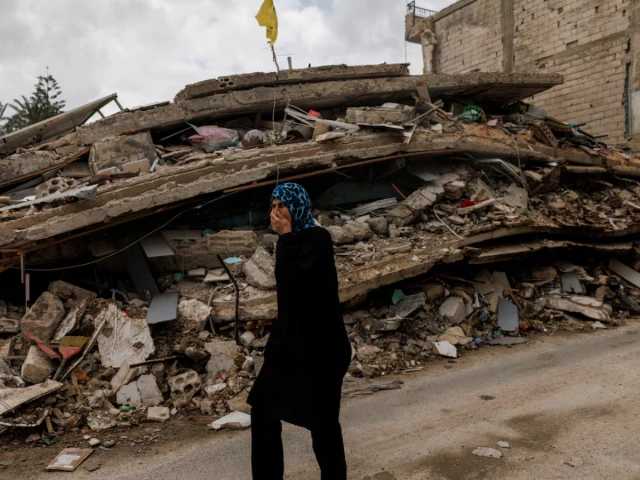
Tensions between the United States and Iran have sharply escalated following the seizure of an Iranian cargo vessel by US forces, casting serious doubt over the future of a fragile ceasefire and ongoing diplomatic efforts.
IBA Karachi Hosts First Psychology Conference, Launches Research & Testing Lab
According to US military officials, the vessel was intercepted near the strategic Strait of Hormuz after a six-hour standoff. American forces reportedly disabled the ship’s engines before US Marines boarded it via helicopters and took full control. President Donald Trump later confirmed the operation, stating that authorities were examining the cargo onboard.
Iran strongly condemned the action, calling it an act of “armed piracy” and warning that it would respond. Iranian officials said the ship had departed from China and was heading toward Bandar Abbas port when it was intercepted. Tehran also announced that it would not participate in a proposed second round of negotiations with Washington, citing continued US naval blockades, escalating threats, and what it described as “unacceptable demands.”
The standoff has further complicated an already volatile situation in the region. Both countries have imposed restrictions affecting maritime activity, with the US maintaining a blockade on Iranian ports while Iran has intermittently restricted passage through the Strait of Hormuz — a critical global energy corridor that carries nearly one-fifth of the world’s oil supply.
The latest escalation has rattled global markets, pushing oil prices higher and creating renewed uncertainty among investors. Analysts warn that prolonged disruption in the Gulf could have significant implications for global energy flows and economic stability.
Meanwhile, diplomatic efforts led by Pakistan appear increasingly uncertain. Islamabad had been preparing to host a second round of high-level talks aimed at extending the ceasefire and finding a long-term resolution. However, Iran’s refusal to rejoin negotiations has placed those efforts at risk.
Confusion also surrounds the composition of the US delegation. While earlier reports suggested Vice President JD Vance would lead the talks, conflicting statements from Washington have left the situation unclear.
The conflict, now in its eighth week since US-Israeli strikes on Iran began in late February, has already resulted in significant casualties and triggered one of the most severe disruptions to global energy markets in recent years.
With the ceasefire nearing its expiration and both sides adopting increasingly hardline positions, fears are growing that hostilities could resume, further destabilizing the Middle East and impacting global economic conditions.