US Expands Iran Sanctions, Targeting Arms Procurement and Oil Shipping Networks
US expands sanctions targeting alleged Iranian arms procurement, oil shipping and aviation support networks.
The United States has announced fresh sanctions against individuals and companies accused of supporting Iran’s military procurement, oil exports and aviation sector.
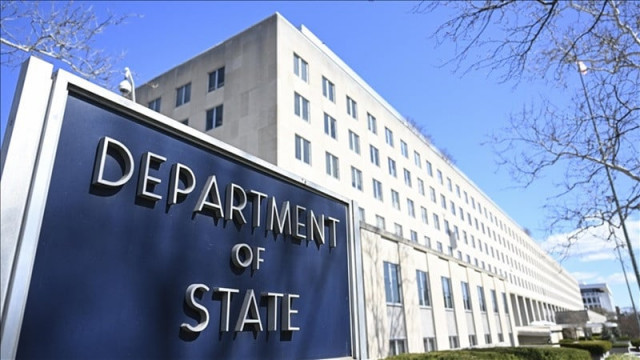
The measures involve two separate actions. The US State Department designated two individuals and a Nigerian company over alleged efforts to help Iran obtain man-portable air-defence systems (MANPADS). Meanwhile, the Treasury Department targeted an India-based network accused of providing fraudulent maritime flags and certifications to vessels transporting Iranian petroleum.
US Targets Alleged Iranian Arms Procurement Network
The State Department identified the three targets as Mohammed Ali Tolibov, chief executive of Belarus-based Armory Alliance; Nigeria-based Vanguard Tactical Supply Limited; and Russia-based Alisher Domullodzhanov.
The department alleged that the network attempted to facilitate Iran’s procurement of Chinese-origin MANPADS, including through the use of false end-users.
According to the State Department, Armory Alliance acted as an intermediary between Chinese companies and Iran. It also helped facilitate efforts to purchase hundreds of portable air-defence systems.
The department said the latest designations would restrict Tehran’s access to suppliers and increase the risks for brokers involved in its military procurement activities.
It added that Washington would continue targeting networks supplying Iran’s military and the Islamic Revolutionary Guard Corps.
Treasury Sanctions India-Based Maritime Network
In a separate action, the US Treasury Department sanctioned an alleged network led by India-based Suniel Kumar Sharma and his wife, Jaspreet Preeti Shahid.
The measures also covered two other Indian nationals associated with the couple’s businesses and nine connected entities.
IHC Questions Acquittal in Rs40bn EOBI Corruption Case, Summons Former Chairman
Treasury accused the network of providing fraudulent vessel flags and maritime certifications to sanctioned ships transporting Iranian petroleum. Some of the vessels allegedly operated on behalf of Iran’s military and its regional proxies.
According to the department, Sharma and Shahid operated from Chandigarh and falsely claimed to represent countries including Guyana, Eswatini and Laos.
The couple allegedly used websites and online domains to offer flag registration, seafarer training, certification and vessel classification services.
Treasury said the network used India-based companies to establish fraudulent maritime registries. These arrangements allegedly allowed sanctioned vessels to continue operating while evading international restrictions.
US Warns of Risks From False Vessel Registrations
The Treasury Department’s Office of Foreign Assets Control (OFAC) also issued an alert warning the maritime industry about the sanctions risks associated with falsely flagged vessels.
Fraudulent registrations and certifications can help ships avoid international safety and environmental requirements, according to the department.
Such vessels may also operate without valid indemnity insurance. An accident in another country’s territorial waters could therefore expose that country to substantial financial and environmental costs.
The US government warned companies and industry participants against dealing with vessels or businesses involved in sanctions evasion.
Turkish Aviation Services Company Also Sanctioned
The Treasury Department also designated Turkey-based Fugo Ground Services Inc for allegedly supporting Iran’s heavily sanctioned aviation sector.
Treasury said the company provided ground handling and other services to several Iranian airlines already under US sanctions.
These included Iran Air Tour, Saha Airlines, Taban Airlines and Ata Airlines, which continued operating flights to Turkey.
US Treasury Secretary Scott Bessent said Washington would continue pursuing individuals and companies supporting Tehran.
He warned that the government would impose sanctions on those assisting the Iranian regime through land, sea or air operations.
Washington Maintains Economic Pressure on Tehran
The latest measures form part of the Trump administration’s Operation Economic Outcast, which aims to restrict Iran’s ability to generate revenue through petroleum exports and other international business activities.
Treasury has previously said its sanctions campaign has placed further pressure on Iran’s economy, contributing to a sharp decline in the rial and domestic inflation approaching 90 per cent.
The latest actions came amid heightened political debate in the United States over the war with Iran and its impact on fuel prices and the wider economy.
US President Donald Trump acknowledged that the conflict and rising gasoline prices had contributed to Republican losses in the midterm elections. However, he maintained that the military campaign was worth pursuing.
Oil prices also experienced sharp movements as investors assessed the possibility of an end to the conflict.
Despite the political pressure, the latest sanctions indicate that Washington intends to maintain its economic campaign against Iran’s military procurement networks, petroleum trade and international support systems.