
Unstable Economic Policies, High Tax Rates Hindering Investment Saquib Fayyaz Magoon SVP FPCCI
KARACHI: Senior Vice President of the Federation of Pakistan Chambers of Commerce and Industry (FPCCI), Saquib Fayyaz Magoon, has said that Pakistan currently has strong investment opportunities as its improved image amid regional developments is attracting global investor interest. However, he added that unstable economic policies and high tax rates remain major hurdles to both local and foreign investment in the country.
He also stressed that without promoting business activity, neither economic stability nor ambitious tax targets can be achieved.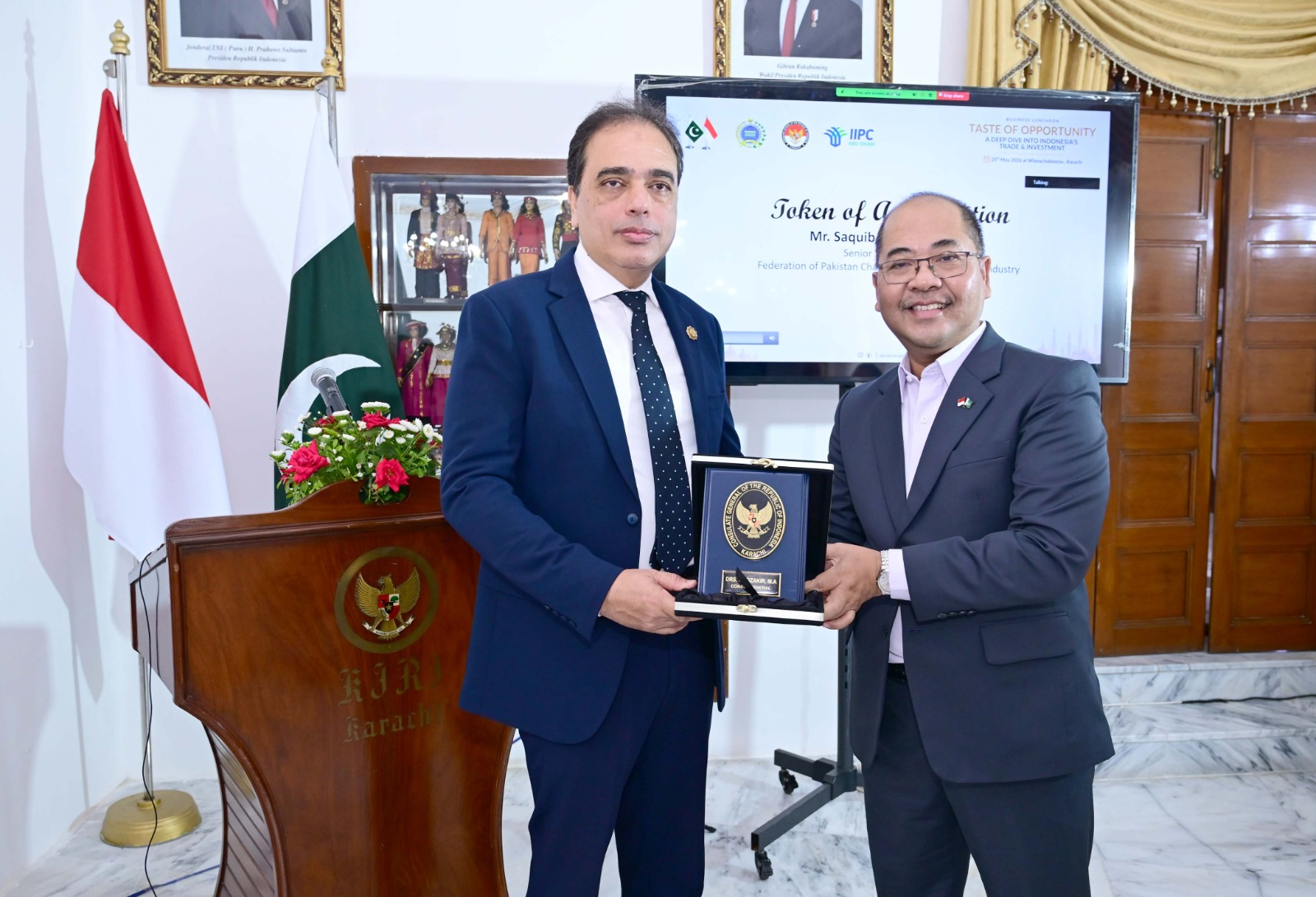
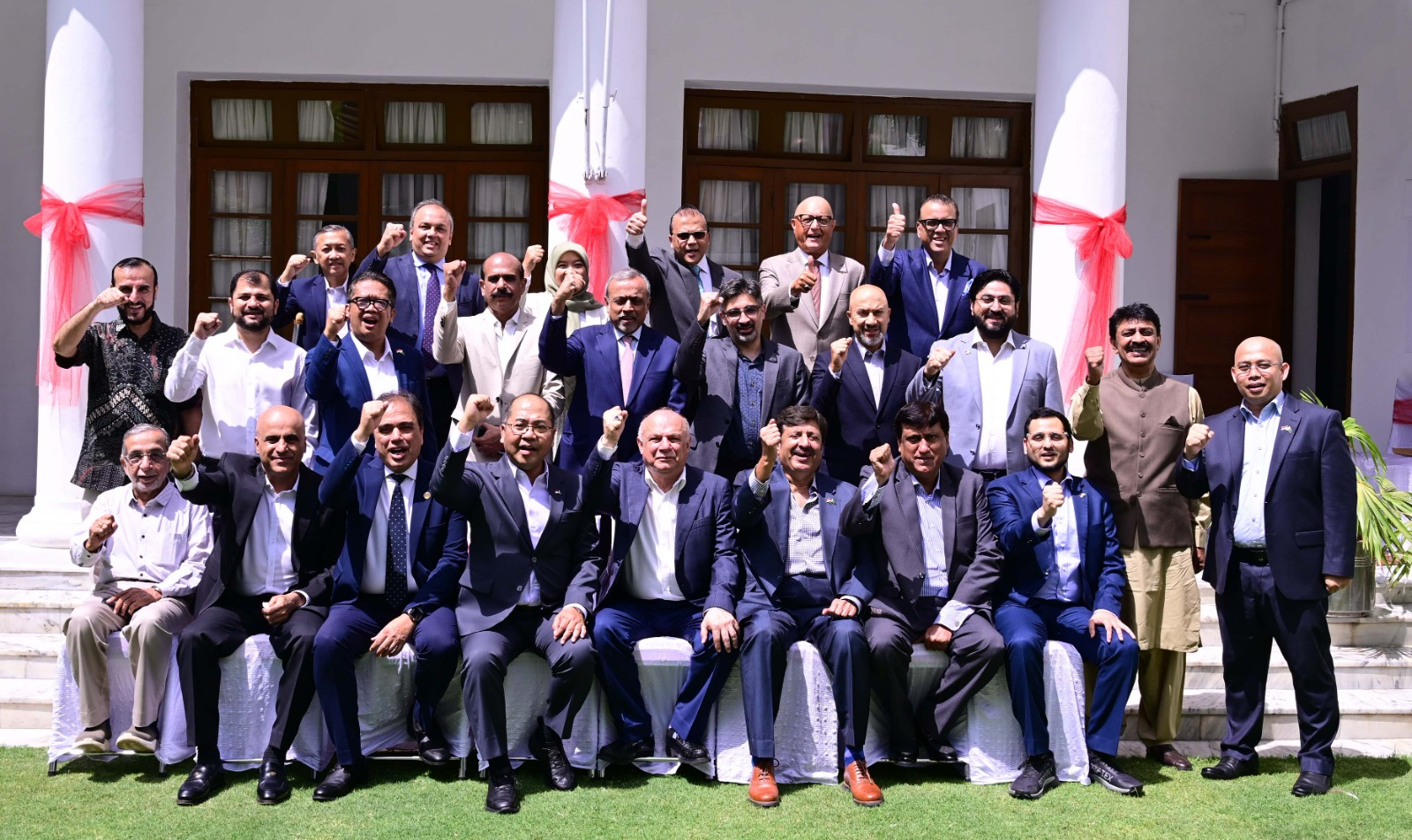
He expressed these views while addressing a dinner hosted by Rizwan Ahsan, Qamar Saleem, Khurram Ashfaq, Faisal Abu Bakar and Imran Hussian in honor of Saquib Fayyaz Magoon and Chairman of the Pakistan Cotton Ginners Association (PCGA) Sham Lal Manglani. The event was attended by the General Secretary Businessman Pnel Progressive (BMPP) Khurram Ijaz, Consul General of Indonesia, Iran’s Commercial Attaché, FPCCI office-bearers including, Amanullah Paracha, Shabbir Mansha, Asif Sakhi, SRB Chairman Dr. Wasif Ali Memon, Standing Committee Chairman Hafeezuddin, Adeel Ahmed Siddique Member Supreme Council BMPP and representatives of various trade associations and business leaders.
Speaking about the upcoming federal budget and revenue targets, Magoon said as per reports the federal government had assured the IMF of achieving a tax collection target of Rs15 trillion by the next fiscal year, despite the fact that this year’s target could not be fully achieved.
“The government must understand that increasing tax revenue alone is not enough. Economic and business activities must be provided needed facilities to grow more for sustainable revenue generation,” he said.
He maintained that high tax rates and a complicated taxation system along with unstable economic policies are discouraging both foreign investors and local industrialists from investing in Pakistan. “Pakistan currently has strong opportunities as the country’s image has improved due to the prevailing regional situation and global investors are showing interest in the country. However, the government will have to revisit its economic policies to benefit from these opportunities,” he added.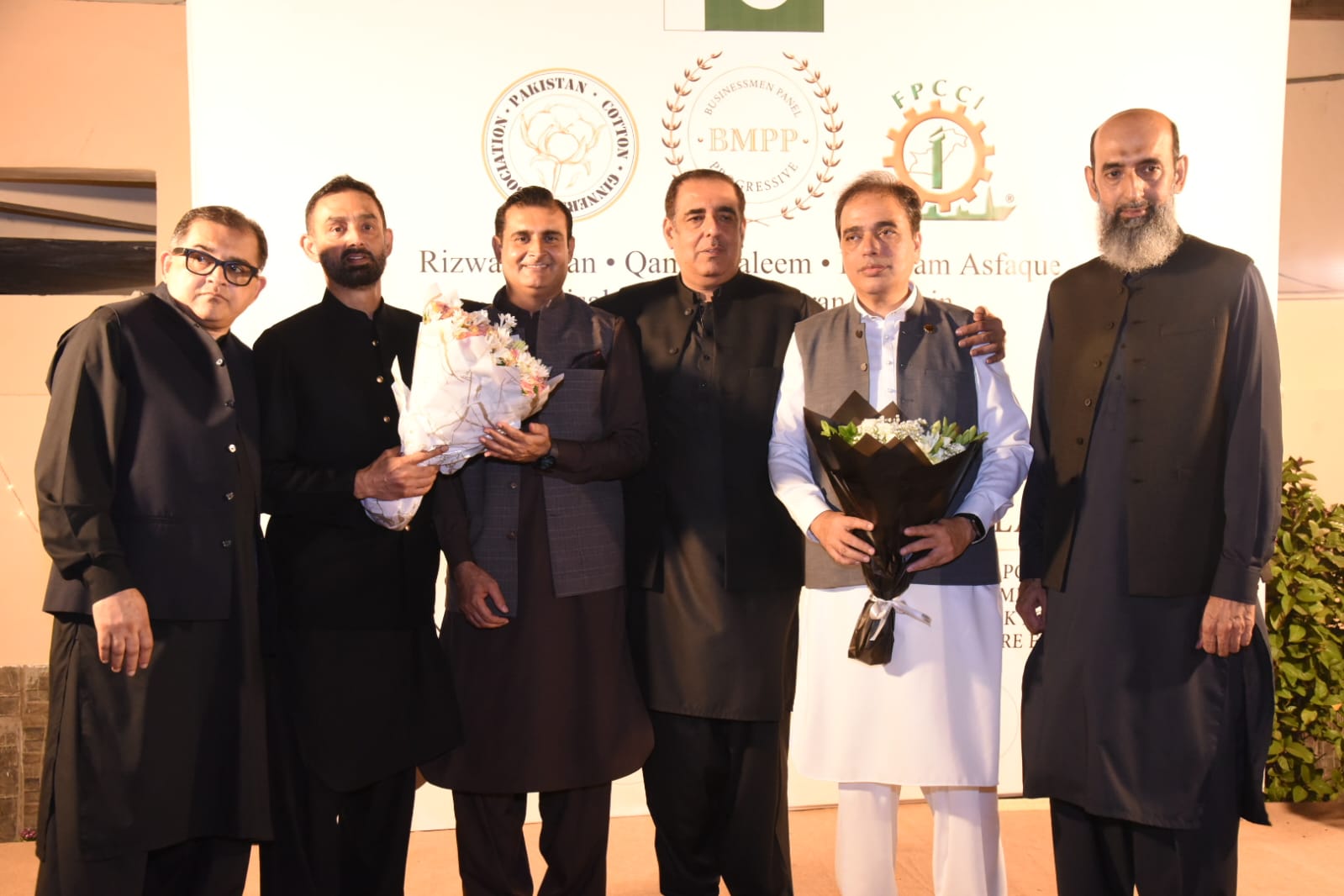
Magoon further said overseas Pakistanis’ remittances had supported the economy, but long-term economic stability required industrial growth and a significant increase in exports. He said FPCCI had already submitted budget proposals to the government for economic improvement, adding that the federation had highlighted all major issues being faced by the business community.
He urged the government to focus on expanding business and industrial activities instead of merely increasing tax collection targets in order to put the economy on a sustainable growth path.
During his speech, Magoon also highlighted the vision behind the BMP Progressive Group, saying its objective was to restore the prestige of the federation and ensure effective participation of Executive Committee and General Body members in the decision-making process.
“The leadership of BMP Progressive believes in working like dedicated workers. Our aim is not only to become leaders but also to create future leaders,” he remarked, while appreciating the services of Supreme Council members Adil Siddiqui and Shabbir Mansha.
Referring to women entrepreneurs, Magoon said FPCCI was committed to supporting genuine women entrepreneurs by providing them with a platform, mentorship and business support.
The Chairman of the Pakistan Cotton Ginners Association (PCGA), Sham Lal Maglani, has said that strong friendships, mutual trust, and unity are the true strength of the business community, while solidarity within business circles is essential for strengthening trade bodies and effectively highlighting industry issues.
He said that his journey with the Federation of Pakistan Chambers of Commerce and Industry (FPCCI) and trade politics has continued for over a decade. He added that Saquib Fayyaz Magoon encouraged him in 2016 to take an active role on the Federation’s platform, after which he consistently raised the issues of his association and the cotton sector at the national level.
Sham Lal Maglani thanked the ginners’ community and business leaders, saying that their trust had provided him the opportunity to represent his