UK Social Media Ban Plan Announced by Keir Starmer Sparks Debate
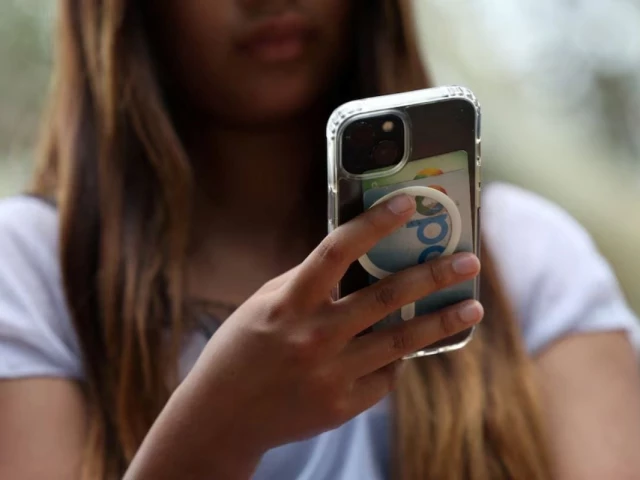
UK government social media ban proposal targeting under-16 digital safety platforms and online restrictions.
The social media ban proposal has been announced in the UK by Prime Minister Keir Starmer. The plan targets children under 16 across major platforms. It includes restrictions on apps like Snapchat and TikTok.
Moreover, the policy aims to reshape how young users interact online. It focuses on reducing exposure to strangers and harmful content. Therefore, the government believes stricter rules are necessary. However, the proposal has already sparked global debate.
UK Social Media Ban Policy Scope
The social media ban policy extends beyond traditional networks. It also includes platforms like Instagram and YouTube. Additionally, X (formerly Twitter) is expected to fall under the rules.
Furthermore, gaming and live-streaming platforms are also included. The government plans to restrict stranger-to-child communication. Therefore, the scope is wider than Australia’s existing model. This makes it one of the strictest digital safety proposals.
For more: Ruet-e-Hilal Committee Announces Muharram Moon Not Sighted in Pakistan
Keir Starmer Digital Safety Plan
Keir Starmer stated the goal is to “give kids their childhood back.” Moreover, he argued that online restrictions would improve mental well-being. He said children need more freedom from constant digital exposure.
However, enforcement challenges remain a concern. Even Starmer acknowledged that full compliance may be difficult. Therefore, the success of the plan depends on strong regulation tools.
UK Social Media Ban Enforcement Issues
The social media ban could require strict age verification systems. The UK regulator Ofcom is expected to play a key role. Moreover, platforms may need to verify all users’ ages.
However, experts doubt whether the system will be fully effective. Some researchers argue teens will bypass restrictions. Therefore, enforcement may not fully solve the problem. This creates uncertainty around implementation success.
Tech Platforms Respond to Ban
Major tech companies have responded cautiously to the proposal. Meta said similar bans may push teens toward unsafe platforms. It also warned about reduced parental control options.
Meanwhile, YouTube said it already provides age-appropriate tools for teens. Snapchat also raised concerns about limiting private communication. Therefore, companies argue existing safeguards are being overlooked.
Expert Views on Social Media Ban
Some psychologists and researchers have questioned the effectiveness of a social media ban. They argue there is limited evidence it will work long-term. Moreover, studies suggest teens remain highly active online despite restrictions.
However, experts also admit the policy may change public attitudes. Therefore, even if imperfect, it could reduce early-age exposure. This creates a mixed scientific and social debate.
Global Impact of Social Media Ban
The UK plan could influence global digital policy trends. Other countries are already considering similar restrictions. Moreover, governments are increasingly focused on child online safety.
However, critics warn about unintended consequences. They suggest teens may move to less regulated platforms. Therefore, balancing safety and freedom remains a key challenge worldwide.