Trump Rejects Iran Proposal as War Stalls Peace Efforts, Oil Prices Surge
Web Desk April 28, 2026US President Donald Trump has expressed dissatisfaction with Iran’s latest proposal aimed at resolving the ongoing two-month conflict, a US official said, casting doubt over prospects for a near-term diplomatic breakthrough.
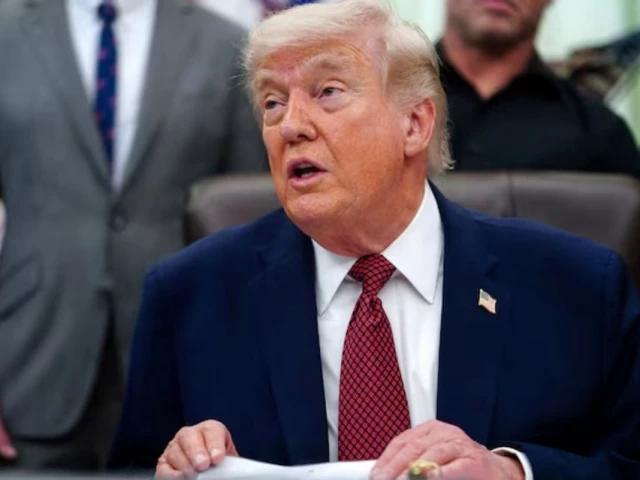
US President Donald Trump has expressed dissatisfaction with Iran’s latest proposal aimed at resolving the ongoing two-month conflict, a US official said, casting doubt over prospects for a near-term diplomatic breakthrough.
Punjab Assembly Passes Child Marriage Restraint Bill 2026, Raises Legal Marriage Age to 18
According to officials briefed on a White House meeting held Monday, the Iranian proposal suggests postponing discussions on its nuclear programme until after a ceasefire is achieved and disputes over Gulf shipping routes are resolved. However, Washington has maintained that nuclear issues must be addressed at the outset of any negotiations, a position that reportedly led to Trump’s rejection of the plan.
White House spokeswoman Olivia Wales reiterated the administration’s stance, stating that the United States “will not negotiate through the press” and remains firm on its red lines as it seeks an end to the conflict with Iran.
The war, which began following joint US-Israeli strikes targeting military and civilian sites, has resulted in heavy casualties, including the reported deaths of dozens of schoolchildren in a strike on an educational facility. The conflict has also severely disrupted global energy supplies, contributing to rising inflation and economic uncertainty.
Diplomatic momentum has slowed in recent days, particularly after Trump cancelled a planned visit to Islamabad by his special envoy Steve Witkoff and adviser Jared Kushner. Meanwhile, Iran’s Foreign Minister Abbas Araghchi has been actively engaged in shuttle diplomacy, visiting multiple countries in an effort to revive talks.
Over the weekend, Araghchi held discussions in Islamabad before travelling to Oman and later to Russia, where he met President Vladimir Putin and secured diplomatic backing from a key ally.
Despite these efforts, significant gaps remain between the two sides. Iranian officials have indicated that their proposal envisions a phased negotiation process. The initial stage would focus on ending hostilities and securing guarantees against future military action. Subsequent phases would address maritime trade restrictions imposed by the US Navy and the reopening of the strategically vital Strait of Hormuz.
Only after these steps, Tehran proposes, would negotiations turn to broader issues, including its nuclear programme. Iran continues to insist on international recognition of its right to enrich uranium, which it says is for peaceful purposes.
The impasse has had immediate repercussions in global markets. Oil prices climbed again in early Asian trading on Tuesday, driven by ongoing disruptions in crude shipments through the Gulf.
Market analyst Fawad Razaqzada noted that traders are increasingly focused on physical supply constraints rather than political rhetoric. Shipping data indicates that at least six tankers carrying Iranian oil have recently been forced to return due to a US naval blockade.
Before the conflict, between 125 and 140 vessels transited the Strait of Hormuz daily. Recent satellite and tracking data, however, show a dramatic decline in traffic, with only a handful of ships passing through—and none transporting oil for global markets.
Tehran has strongly condemned US actions against its oil shipments, accusing Washington of effectively legalising “piracy” on international waters.
Domestically, Trump is facing mounting pressure as approval ratings decline amid the prolonged conflict. Iranian officials have argued that Washington’s push for renewed talks reflects its inability to achieve key strategic objectives.
With both sides holding firm to their positions, the path to de-escalation remains uncertain, raising concerns over prolonged instability in the region and continued volatility in global energy markets.