Trump DOJ Drops $1.8bn Political Fund Plan
US DOJ drops $1.8bn Trump-linked fund plan after Republican backlash, legal challenges, and political controversy in Congress.
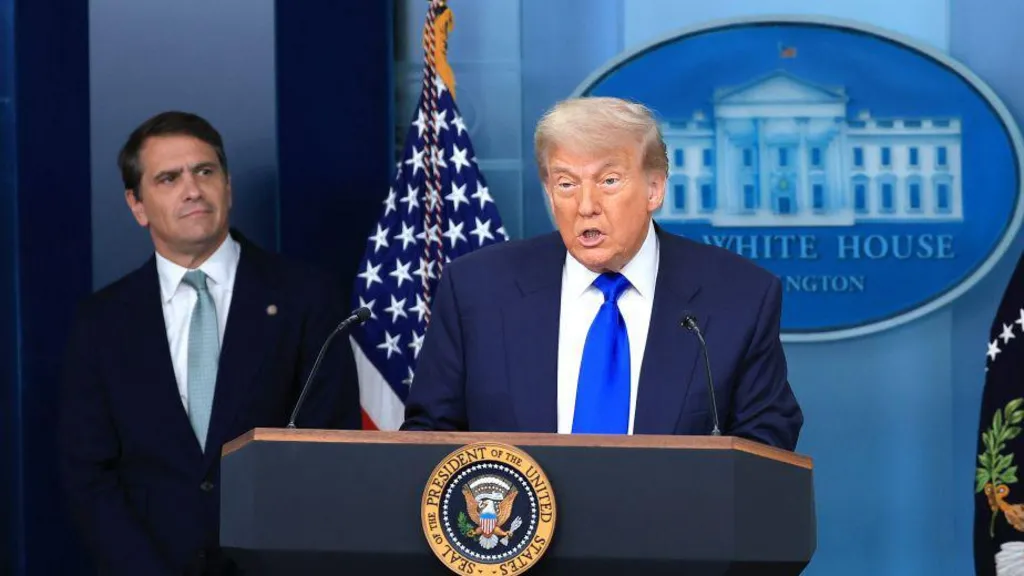
WASHINGTON — The U.S. Department of Justice has ended a proposed $1.8 billion taxpayer-funded compensation scheme after strong opposition from Republicans in Congress and growing political backlash within the party.
Putin Maintains Ukraine Stance Despite Growing Pressures
The plan, described by officials as an “anti-weaponisation fund,” would have provided payments to individuals the administration said were unfairly targeted by previous government actions.
Strong Republican Opposition Emerges
Opposition quickly grew within President Donald Trump’s own party. Several Republican lawmakers warned the proposal could affect support for key legislation, including a major immigration funding bill.
As pressure increased, Republican leaders and senators publicly criticised the initiative. Some described it as politically risky and unnecessary, arguing it could undermine legislative priorities.
Concerns Over Eligibility and Tax Provisions
The proposal drew further controversy over eligibility rules. Administration officials did not rule out the possibility that individuals involved in the 6 January 2021 Capitol attack could qualify for payments.
The plan also included provisions that would shield the president and his family from certain tax audits. Lawmakers from both parties criticised this element, calling it inappropriate.
Legal and Political Pressure Intensifies
A federal court later ordered a temporary suspension of the scheme, allowing legal challenges to proceed. Following the ruling, the Justice Department paused the programme.
Acting Attorney General Todd Blanche later confirmed that the administration would not proceed with the fund. However, he did not rule out future policy revisions, leaving some uncertainty over its long-term status.
Broader Political Tensions
The controversy added to ongoing political pressure facing the administration, including debates over foreign policy, economic conditions, and internal party divisions.
Republican lawmakers have increasingly challenged the White House on selected issues, including spending priorities and executive actions. Analysts say these disputes highlight growing tension within the party.
Opposition Continues in Congress
Both Republican and Democratic lawmakers signaled plans to introduce legislative measures to block any future use of taxpayer funds for politically connected compensation programmes.
Senate Minority Leader Chuck Schumer criticised the proposal, saying legal safeguards were needed to prevent similar initiatives in the future.
Outlook
While the Justice Department has withdrawn the current plan, political and legal challenges are expected to continue. Lawmakers and advocacy groups have indicated they will closely monitor any attempt to revive similar proposals.