Iran nuclear: Tehran rejects US claim on inspectors after talks

Iran nuclear: Iran has rejected claims that it has agreed to allow nuclear inspectors to return, escalating tensions after fresh talks between the United States and Tehran aimed at reaching a final agreement.
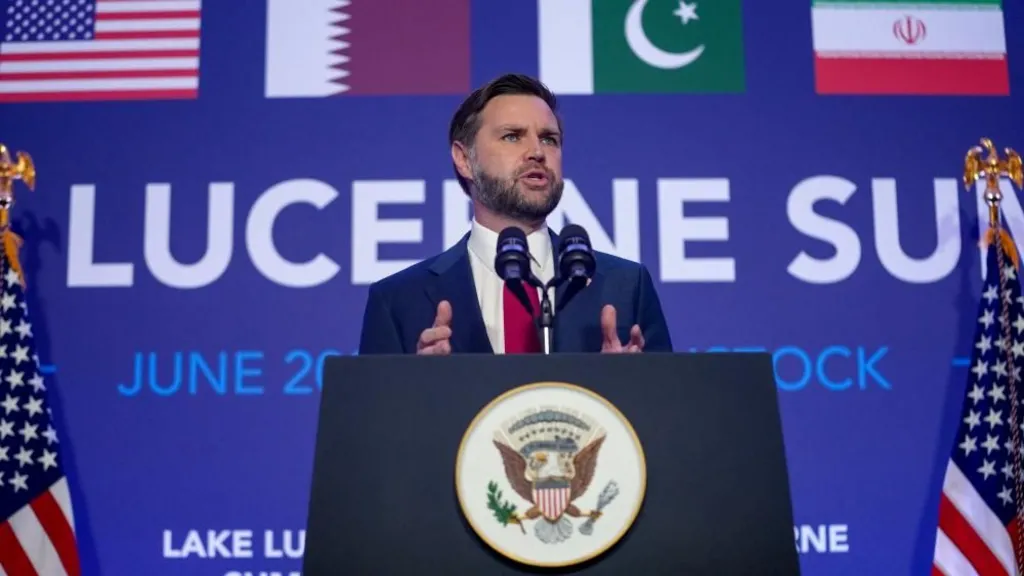
US Vice-President JD Vance at nuclear negotiations while Iran denies agreement on inspectors

JD Vance speaks during talks in Switzerland as Iran rejects claims on nuclear inspections

Iran nuclear: Iran has rejected claims that it has agreed to allow nuclear inspectors to return, escalating tensions after fresh talks between the United States and Tehran aimed at reaching a final agreement.

The dispute emerged after US Vice-President JD Vance said discussions had advanced on restarting inspections with the International Atomic Energy Agency, possibly beginning within days. Iran’s foreign ministry pushed back, stating that Tehran had made no new commitments regarding inspections and would follow existing approval procedures.

North Korea: North Korea nuclear state stance deepens as Kim Jong Un defends weapons policy

The talks took place in Switzerland and involved mediators from Qatar and Pakistan. Both sides agreed on a 60-day roadmap to pursue a broader settlement, including measures linked to regional security and maritime stability in the Strait of Hormuz.

US officials said the negotiations also included discussion on oil sanctions relief and limited financial access for Iran. The US Treasury issued a temporary waiver allowing Iranian crude exports in US dollars, marking a major shift in enforcement policy.

Iranian officials said they would not act outside parliamentary and security council frameworks. The disagreement highlights ongoing mistrust despite renewed diplomatic engagement after years of strained relations.

US President Donald Trump warned Iran of consequences if it fails to comply with any eventual agreement, while Iranian officials insisted that inspection rules remain unchanged under current law.

A ceasefire monitoring mechanism and communication channels were also discussed to reduce regional escalation risks, according to mediators.

Follow THE AZB

Leave a Reply

Your email address will not be published. Required fields are marked *

Are you human? Please solve:Captcha


Social Media Auto Publish Powered By : XYZScripts.com