Strait of Hormuz: Shipping Traffic Recovers Slowly After US-Iran Deal
Oil tankers and cargo vessels begin returning to the strategic waterway, although crossings remain below pre-conflict levels.
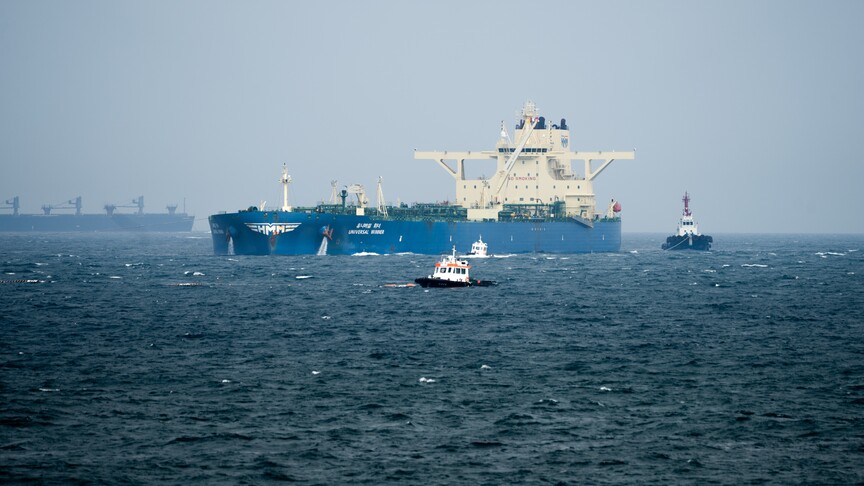
Commercial vessels navigate the Strait of Hormuz following easing regional tensions.
The number of commercial vessels crossing the Strait of Hormuz has started to recover following a US-Iran agreement aimed at ending the conflict, although maritime traffic remains significantly below normal levels.
New data showed at least 172 vessels crossed the strategic shipping route from 18 June, one day after the agreement was signed, including 42 transits recorded on Saturday alone.
Despite the increase, vessel movement remains below the pre-conflict daily average of around 138 crossings, reflecting continued caution among shipping operators and traders.
Ship-tracking data indicated that more than 200 tankers remained positioned inside the strait on Tuesday, while at least 10 vessels moved west into the Gulf.
Oil markets responded quickly to the easing tensions, with Brent crude prices falling to their lowest level since the conflict began.
Several tankers that resumed operations in recent days were linked to Iranian exports after the United States eased restrictions under the agreement. Maritime monitoring data showed at least 30 tankers departed the Gulf carrying Iranian crude oil and petrochemical cargo.
The US Treasury also introduced temporary measures allowing sales of Iranian crude oil, petrochemicals and related energy products until 21 August.
Ship-tracking records showed at least five vessels previously sanctioned for links to Iran moved through the strait on Monday carrying an estimated four million barrels of oil.
Industry analysts said regular commercial activity has also resumed gradually. Liquefied natural gas carriers travelled through the corridor toward Qatar’s Ras Laffan port, while additional cargo vessels exited Gulf waters.
Most ships used the Iranian-approved northern route through Iranian territorial waters instead of the southern shipping corridor near Oman.
Food Security: AFC Secures €108 Million Financing for Togo’s Agricultural Modernisation
Tracking data further indicated that more than 250 tankers and 440 cargo ships remained inside the Gulf, with most vessels either anchored or stationary while awaiting conditions to stabilise.
Under the agreement reached last week, Iran committed to supporting safe commercial passage through the Strait of Hormuz for 60 days and agreed to work with Oman on future maritime administration measures.
Iran’s Persian Gulf Strait Authority later announced that vessels would require official passage permits to transit the waterway, creating uncertainty among some operators because of existing sanctions.
Mixed public statements from Iranian officials also contributed to uncertainty. While military officials referenced restrictions on traffic movement, diplomatic representatives later stated the strait remained open.
Additional concerns remain over sea mines in internationally recognised shipping lanes through the centre of the strait. Maritime authorities continue mine-clearing operations and have advised ships to use the southern route near Oman.
Recent tracking data showed limited but continuing movement through the recommended southern corridor, signalling cautious improvement in regional shipping activity.