Tourism Boom: Saudi Arabia hits record 123 million visitors in 2025
Kingdom’s tourism sector surges as Vision 2030 reforms drive billions in spending and accelerate non-oil economic growth.
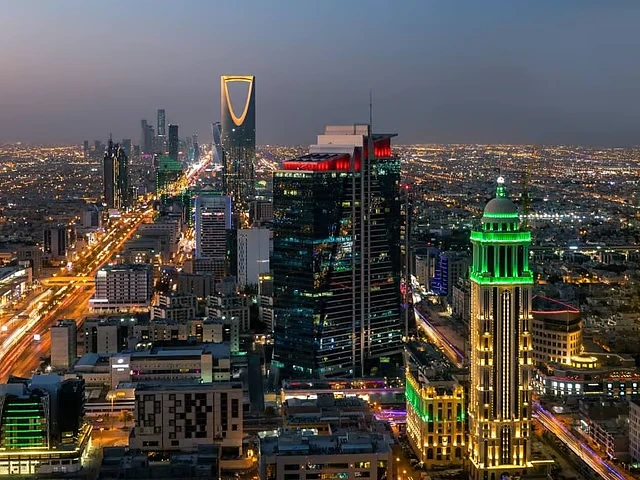
Crowds of international and domestic tourists in Saudi Arabia highlighting record tourism growth under Vision 2030 economic reforms.
The Tourism Boom in Saudi Arabia reached a historic milestone in 2025, with the Kingdom welcoming nearly 123 million domestic and international tourists as part of its rapid transformation into a major global travel destination.
Saudi Arabia recorded a combined total of around 122.6 million tourists in 2025, marking a 6% increase from the previous year, according to the Ministry of Tourism’s Annual Statistical Report.
Tourism spending also reached a record SR304 billion ($81 billion), reflecting a 7% year-on-year rise and underscoring the sector’s growing role in diversifying the Kingdom’s economy beyond oil.
Visa Fraud: Dubai authority cracks down on illegal online residency services
Officials said the growth is a direct outcome of reforms under Saudi Vision 2030, the national transformation strategy aimed at expanding non-oil revenues and positioning the country as a global tourism hub.
Ahmed Al Khateeb, Saudi Arabia’s Minister of Tourism, said the figures reflect a structural shift in the economy rather than temporary growth, describing tourism as a “high-impact economic engine” supported by long-term investment.
The report showed that 29.3 million international visitors generated SR176.6 billion in spending, while 93.3 million domestic tourists contributed SR127.1 billion across the Kingdom.
A key trend highlighted in the data is the rising share of non-religious travel, which now accounts for more than half of inbound tourism, compared with 44% in 2019, signalling diversification in visitor purpose.
Tourism’s contribution to GDP rose to 4.9% in 2024, while the sector also generated a services trade surplus of SR49.4 billion, strengthening the Kingdom’s external economic position.
Employment in tourism-related industries expanded significantly, supporting around 1.03 million jobs, with women now representing nearly 47% of Saudi nationals working in the sector—up sharply from 2018 levels.
Officials said the sector’s expansion reflects sustained investment in infrastructure, hospitality, digital systems and destination development, alongside workforce training programmes designed to support long-term growth.
Al Khateeb also highlighted the growing role of artificial intelligence in tourism services, saying technology will be used to enhance visitor experience while empowering the workforce rather than replacing it.
The latest figures reinforce Saudi Arabia’s ambition to become one of the world’s leading tourism destinations, with the sector increasingly positioned as a cornerstone of its economic diversification strategy.