TDAP Promotes Aflatoxin Prevention and Pesticide Compliance in Sialkot
Seminar brings rice growers, millers and exporters together to improve food safety and meet international standards
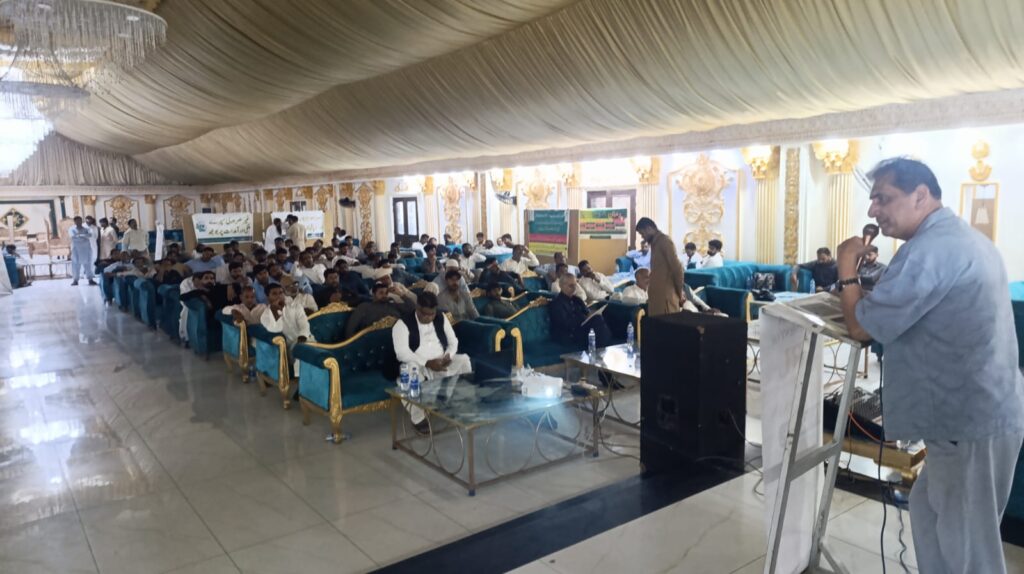
TDAP officials and rice sector stakeholders attend an awareness seminar on food safety and aflatoxin prevention in Sialkot
SIALKOT: The Trade Development Authority of Pakistan (TDAP), in collaboration with the Pest Warning and Quality Control of Pesticides Wing of the Agriculture Department, Government of Punjab, organised an awareness seminar in Sialkot on food safety and quality compliance in the rice sector.
The seminar focused on aflatoxin prevention, responsible pesticide use and compliance with Maximum Residue Limits (MRLs).
Held at Al Latif Marquee in Daska, the event was the sixth session in a series of awareness programmes across major rice-producing districts of Punjab.
The initiative aims to improve food safety practices, strengthen compliance with international standards and support the competitiveness of Pakistan’s rice exports.
189 Rice Sector Stakeholders Attend
Around 189 participants attended the seminar. The audience included rice growers, farmers, millers, exporters, agriculture extension officers and other representatives of the rice industry.
Russian State Duma Elections Held at Consulate General in Karachi
Technical experts and officials from the Agriculture Department, Rice Research Institute Kala Shah Kaku (KSK) and the Department of Plant Protection (DPP) also participated.
During the session, experts shared guidance on aflatoxin prevention, responsible pesticide application, residue management and international food safety requirements.
Focus on Rice Export Standards
In his welcome remarks, the Director General of TDAP’s Agriculture & Food Division highlighted the importance of rice exports to Pakistan’s economy.
Participants received a briefing on Pakistan’s rice exports to international markets, including the European Union.
The official also discussed cases involving interceptions and non-compliance of Pakistani rice consignments. He stressed the need for exporters and other stakeholders to meet the food safety and quality standards of importing countries.
Experts Explain Aflatoxin Prevention
Practical guidance on preventing aflatoxin contamination formed a key part of the seminar.
Experts stressed the importance of timely harvesting, proper drying and hygienic handling. Moisture control and suitable storage conditions were also highlighted.
Poor drying and inadequate storage can increase the risk of fungal growth and aflatoxin contamination. Such problems may affect both food safety and the commercial value of rice.
Responsible Pesticide Use Highlighted
Another key discussion focused on the responsible and judicious use of pesticides.
Participants were advised to follow recommended pesticide application practices and observe the MRLs set by importing countries.
Speakers explained that pesticide residues above destination-market limits can create serious challenges for exporters. In some cases, such violations may result in consignments being rejected or detained.

Stakeholders Urged to Improve Practices
The seminar provided a platform for farmers, millers, exporters, government officials, researchers and technical experts to exchange views.
Participants were encouraged to adopt improved agricultural and post-harvest practices. They were also urged to remain informed about food safety regulations and market requirements in international destinations.
The initiative forms part of broader efforts to improve the quality of Pakistan’s rice exports and strengthen the sector’s position in international markets.