Tapanuli Orangutans Face Extinction Risk After Cyclone Senyar Devastation
Web Desk June 12, 2026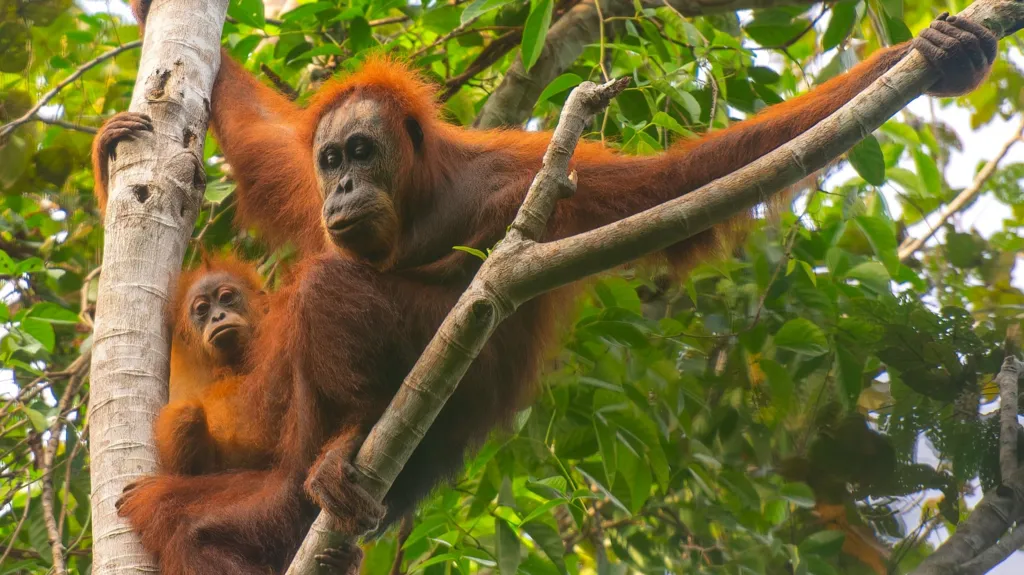
Destroyed rainforest habitat in Sumatra following Cyclone Senyar.
The future of Tapanuli Orangutans has become even more uncertain after new research revealed the devastating impact of Cyclone Senyar on their fragile population. Scientists reported that extreme rainfall, floods, and landslides in Sumatra likely killed dozens of these critically endangered great apes.
The findings matter because fewer than 800 Tapanuli Orangutans remain worldwide. Moreover, researchers warn that climate-driven weather disasters could accelerate the species’ decline and push it closer to extinction.
Tapanuli Orangutans Population Suffers Major Losses
A study published on Wednesday found that approximately 58 Tapanuli orangutans died during four days of extreme weather in Sumatra last November. Researchers described the estimate as conservative because it does not include losses caused by canopy destruction or reduced food supplies.
Furthermore, the deaths represent around 7% of the species’ total population. According to the study, such losses exceed the level the population can sustain over time.
Professor Sergei Vich, a primatologist and study co-author, stated that the mortality rate was significantly beyond what the species could withstand. As a result, conservationists consider the event a major threat to long-term survival.
Cyclone Senyar Devastates Sumatra Forest Habitat
Cyclone Senyar struck Sumatra in late November and became Southeast Asia’s deadliest natural disaster of 2025. The storm reportedly killed more than 1,000 people while also causing widespread environmental destruction.
In addition, vast sections of forest habitat were flattened by floods and landslides. Wildlife experts previously observed a sharp decline in orangutan sightings after the disaster, raising concerns that many animals had been swept away.
Weeks later, humanitarian workers discovered the carcass of what they believed was a Tapanuli orangutan partially buried beneath mud and debris in Central Tapanuli.
The discovery highlighted the severe impact of the disaster on local wildlife. Consequently, researchers intensified efforts to assess the scale of the losses.
Cyclone Senyar Highlights Climate Change Risks
Researchers noted that Cyclone Senyar was an unusual weather event. However, they also reported that human-induced climate change likely played a significant role in increasing rainfall intensity.
Scientists warned that extreme rainfall events could become more frequent in the region. Therefore, the risks facing Tapanuli Orangutans may continue to grow in the coming years.
Moreover, habitat destruction caused by storms can reduce food availability and disrupt breeding patterns. These factors can further weaken already vulnerable populations.
Tapanuli Orangutans Face Critical Survival Challenge
The Tapanuli orangutan was only identified as a separate species in 2017. Since then, conservationists have considered it the world’s most endangered great ape.
Studies indicate the species could disappear if annual population losses exceed 1%. Yet the latest event reportedly removed a far greater percentage of the population within days.
According to researchers, this level of mortality presents a serious challenge to recovery efforts. As a result, experts believe immediate conservation measures are necessary.
Batang Toru Protection Offers Research Opportunity
The Indonesian government has temporarily halted major development projects in the Batang Toru region, including mining, oil palm expansion, and hydropower activities.
Consequently, researchers now have a rare opportunity to study environmental risks affecting the species. The protected forest remains the primary habitat for Tapanuli Orangutans.
Scientists hope the pause will provide valuable insights into habitat resilience and future conservation strategies. Meanwhile, ongoing monitoring will help determine the full ecological impact of Cyclone Senyar.
International Support Needed for Tapanuli Orangutans
Researchers stated that the crisis facing Tapanuli Orangutans reflects the combined effects of climate instability, biodiversity loss, and ecological vulnerability.
Therefore, experts are calling for stronger domestic protections and climate-responsive planning. They also emphasized the importance of international financial and technical support.
Although the species faces significant challenges, scientists believe extinction can still be prevented. However, coordinated global action will be essential to protect the remaining population and preserve one of the world’s rarest great apes.