
Finance minister presents Economic Survey 2025-26 ahead of budget
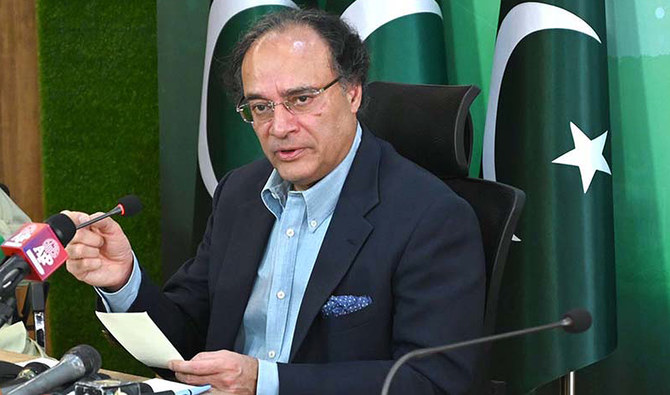
Featured Image Caption Pakistan’s finance minister presents the Economic Survey in Islamabad.
The Pakistan Economic Survey painted a picture of economic recovery while highlighting the pressures the country faced during FY2025–26. During a press conference in Islamabad, Finance Minister Muhammad Aurangzeb said the survey reflected resilience and fiscal discipline despite global and regional disruptions.
The Pakistan Economic Survey also outlined how economic momentum continued through difficult periods. These included tariff uncertainty, severe flooding, and regional tensions that affected growth expectations.
Pakistan Economic Survey Reflects Economic Recovery
Speaking to reporters, Muhammad Aurangzeb stated that the survey tells the story of the country’s economic journey over the previous year.
According to the minister, Pakistan entered the outgoing fiscal year under uncertain global conditions. Tariff-related concerns created early pressure; however, export competitiveness later improved, particularly in relation to the US market.
He stated that these developments created opportunities while also requiring stronger economic discipline.
Muhammad Aurangzeb Explains Growth Performance
The finance minister reported that Pakistan recorded GDP growth of 3.7% in FY2025–26.
According to the presentation, this marks the strongest annual growth performance in four years. He recalled that GDP growth stood at negative 0.2% in FY2023, improved to 2.6% in FY2024, and reached 3.2% in FY2025.
Moreover, he said the country achieved a historically high economic size of Rs126.9 trillion.
Pakistan Economic Survey Faces Multiple Challenges
Aurangzeb said Pakistan’s economic environment remained under pressure throughout the year.
He reportedly referred to tariff uncertainty at the beginning of the fiscal cycle. Later, floods during August and September 2025 added further economic strain. Regional conflict in March also affected overall expectations.
He stated that these events tested national resilience and influenced economic outcomes.
Pakistan Economic Survey and Global Conditions
The minister noted that global economic growth slowed from 3.7% to 3.1% during the period under review.
Initially, expectations suggested Pakistan’s GDP growth could exceed 4%. However, according to the briefing, continuing tensions in the Middle East reduced those projections.
Even so, government officials maintained that the economy remained on a path from stabilisation toward sustained growth.
Muhammad Aurangzeb Sees Path Toward Growth
The finance minister said the government’s approach focused on maintaining stability while creating conditions for expansion.
Although external and regional factors affected performance, officials presented FY2025–26 as a period of continued economic adjustment and recovery.
The Pakistan Economic Survey positions economic resilience as a key theme while signalling expectations for future growth.