Sindh Government Sets 90-Day Deadline for Karachi Red Line Revival as FWO Takes Over University Road Works
Web Desk May 21, 2026The Sindh Cabinet has approved an accelerated 90-day completion plan for critical infrastructure works on Karachi’s University Road, including mixed traffic lanes, underpasses, elevated structures, and drainage systems under the long-stalled BRT Red Line project.
The Sindh Cabinet has approved an accelerated 90-day completion plan for critical infrastructure works on Karachi’s University Road, including mixed traffic lanes, underpasses, elevated structures, and drainage systems under the long-stalled BRT Red Line project.
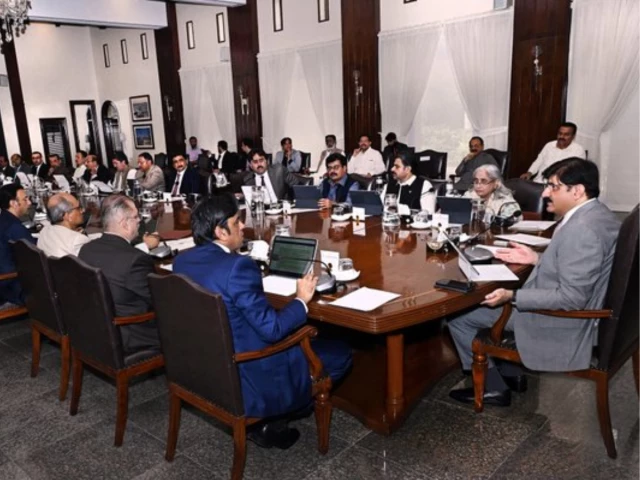
The decision was taken in a cabinet meeting chaired by Murad Ali Shah, where authorities also approved emergency off-budget funding to speed up construction through the Frontier Works Organisation (FWO).
FWO Handed Direct Contract After Contractor Removal
According to an official statement, the previous joint venture contractor was removed due to repeated delays and non-compliance, after which the cabinet authorized a government-to-government arrangement with Frontier Works Organisation for immediate execution of priority works.
The direct contract covers Lot-2 of the corridor, a 12.85-kilometre stretch from Numaish Chowrangi to Mosamiyat, one of the most traffic-affected zones in Karachi.
Emergency Funding Approved for Rapid Mobilisation
The cabinet also approved off-budget emergency funding for TransKarachi to ensure swift financial mobilisation for FWO operations.
Heavy machinery and field teams have already been deployed at multiple locations along University Road, where construction activity has resumed after years of delay.
Key Structural Works and Traffic Relief Measures
The accelerated plan includes road rehabilitation, drainage system upgrades, underpasses, and elevated structures aimed at easing chronic traffic congestion.
FWO has also begun repairing alternative traffic routes to minimize disruption, while construction signage has been installed across the corridor, with apologies issued to commuters for inconvenience.
Broader Governance and Education Reforms Approved
Alongside infrastructure decisions, the cabinet also approved multiple reform bills related to higher education governance, private university expansion, and technical education regulation.
Key reforms include amendments to the STEVTA framework, mandatory registration for TVET institutions, and expanded eligibility criteria for leadership roles in public development boards.