
Sindh Food Authority Board Approves Fee Hike, Plans Stronger Crackdown on Unsafe Food
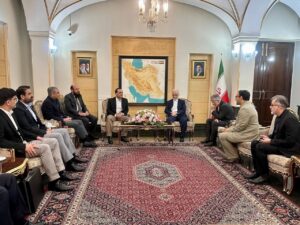
Web Desk May 6, 2026Sindh Minister for Food Makhdoom Mehboob-uz-Zaman chaired the 12th board meeting of the Sindh Food Authority in Karachi, where key administrative, legal, and operational matters were reviewed and several important decisions were approved.
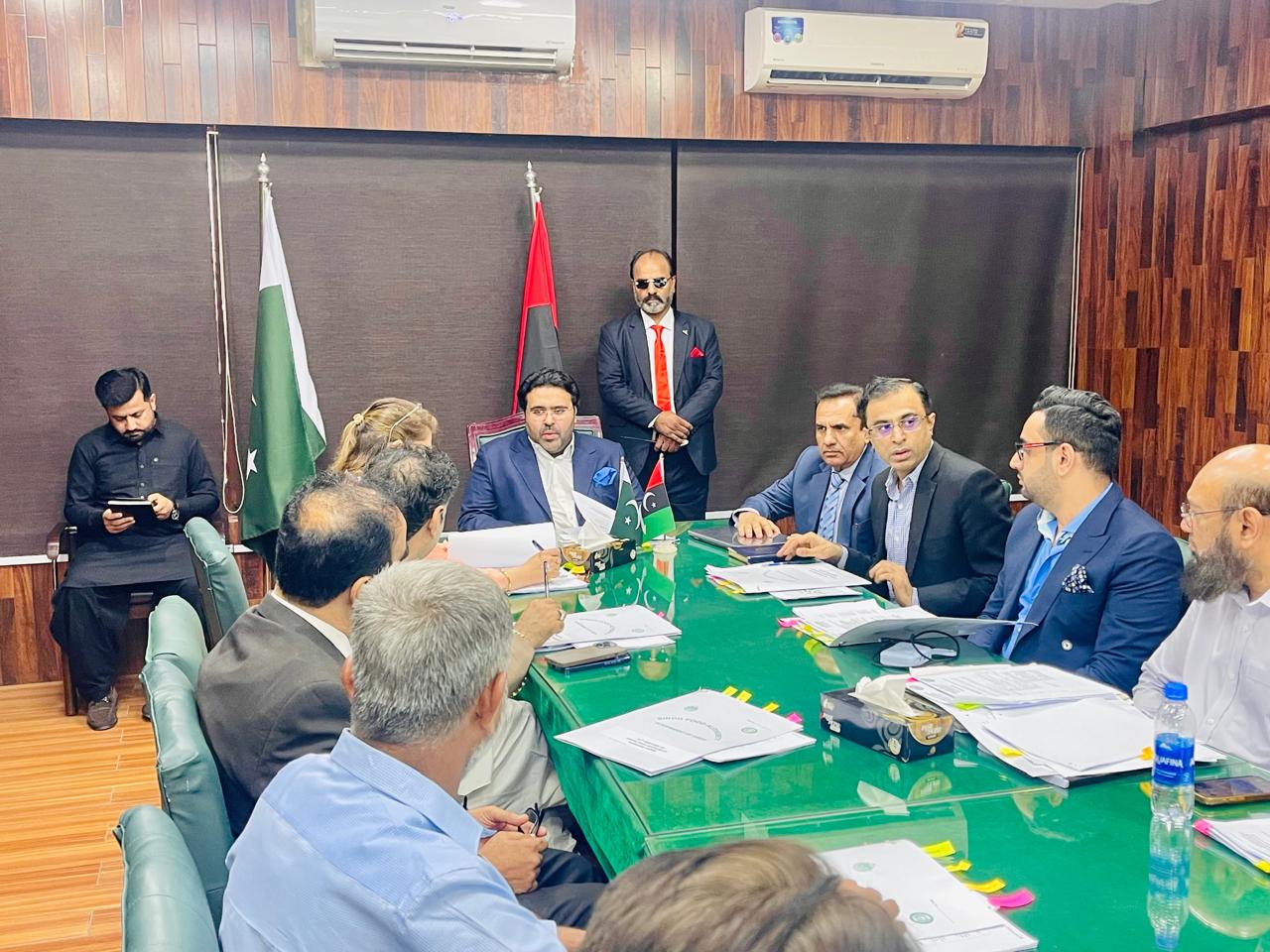
Sindh Minister for Food Makhdoom Mehboob-uz-Zaman chaired the 12th board meeting of the Sindh Food Authority in Karachi, where key administrative, legal, and operational matters were reviewed and several important decisions were approved.
Bilawal Bhutto Zardari Briefed on Jacobabad Issues by MPA Sohrab Sarki
The meeting was attended by Members of the Sindh Assembly Fayyaz Ali Butt, Halar Wasan, and Saadia Javed, along with senior officials, food industry representatives, and experts in food science and technology.
Among the major decisions, the board approved a proposal to procure 30 new utility vans to strengthen field operations, including inspection, sampling, and rapid response activities. The proposal will now be referred to the provincial cabinet’s austerity committee for further consideration.
The board also approved a 40% increase in the authority’s license fee structure to support expanded operations such as inspections, laboratory testing, legal enforcement, and administrative capacity. The proposal will be sent to the provincial cabinet for final approval. However, the minister directed a separate review of tandoor license fees to ensure relief for small businesses and the general public.
The meeting discussed amendments to the Sindh Food Authority Act, 2016, aimed at strengthening the legal framework, enhancing enforcement powers, and enabling swift disposal of adulterated and unsafe food products. A dedicated committee will be formed to improve the food product registration and track-and-trace system across the supply chain.
Additionally, the creation of 94 new posts (BPS-17 to BPS-19) was considered to address the growing need for professional, technical, and field staff.
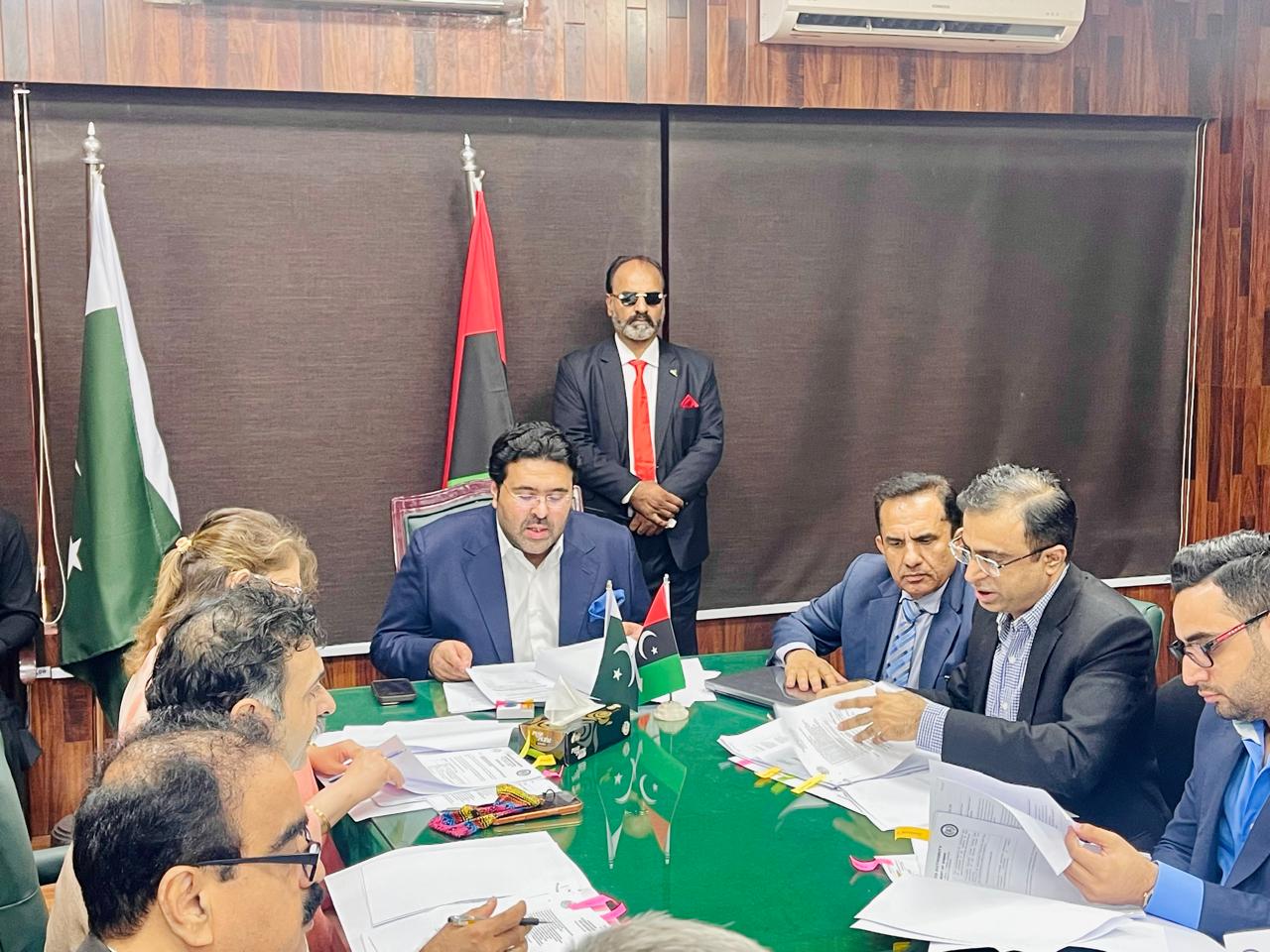
Addressing participants, Makhdoom Mehboob-uz-Zaman directed authorities to intensify crackdowns against adulterated milk, substandard oil, unsafe food items, and expired products. He emphasized that ensuring safe and hygienic food for the public remains the top priority, warning that no negligence will be tolerated.
The board reaffirmed its commitment to modernizing the Sindh Food Authority and strengthening food safety mechanisms, including inspection systems, licensing, laboratory testing, and public awareness across the province.