

Seminar in Karachi Flags Rising Concern Over Suicide Cases Among Female Students
Web Desk April 27, 2026Karachi — Speakers at a seminar held at the Pakistan Medical Association (PMA) House expressed deep concern over increasing incidents of suicide among female students, calling it a serious societal and institutional challenge that requires urgent attention.
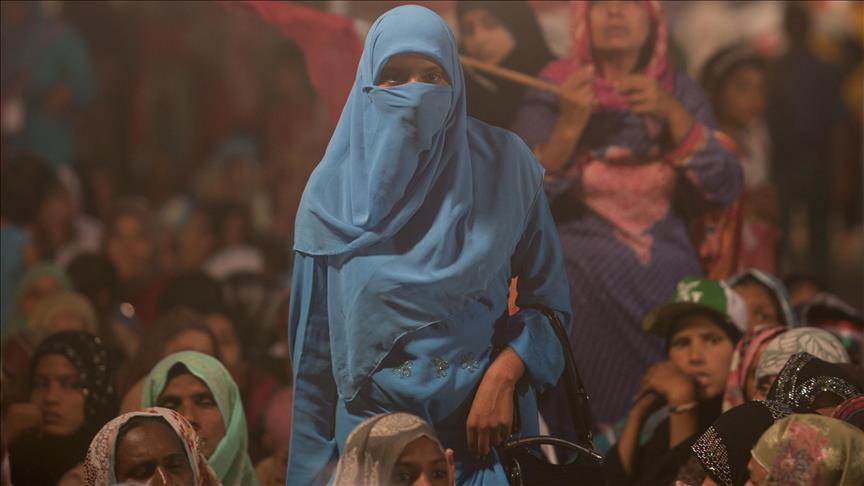
Karachi — Speakers at a seminar held at the Pakistan Medical Association (PMA) House expressed deep concern over increasing incidents of suicide among female students, calling it a serious societal and institutional challenge that requires urgent attention.
REAP Delegation Lands in Muscat to Boost Rice Exports Under TDAP Initiative
Chairman of the Higher Education Commission Sindh, Syed Muhammad Tariq Rafi, said that suicides among students in educational institutions are a matter of grave concern for all stakeholders. He stressed that students must report harassment or grievances to relevant authorities without delay and encouraged open communication between students, teachers, and institutions to prevent such tragedies.
The seminar focused on harassment in educational environments and mental health challenges faced by students, particularly in medical colleges. Participants included senior doctors, legal experts, and academic administrators who discussed systemic issues contributing to psychological stress among students.
Chairman of the PMA Human Rights Committee Prof. Dr. Tipu Sultan highlighted structural pressures in medical education, noting that students face intense academic burden, high tuition fees, and lack of adequate institutional facilities. He said medical students are required to study multiple subjects over a limited timeframe, which adds to mental strain.
Secretary of the PMA Human Rights Committee Dr. Qaiser Sajjad pointed to weak enforcement of laws and lack of accountability as contributing factors. He stressed the need for mechanisms where both students and teachers can safely raise concerns and be heard.
Legal expert Shaukat Hayat said that failure to enforce discipline and institutional negligence has led to declining trust in public systems. Other speakers echoed concerns about the need for stronger regulatory oversight of educational institutions.
During the discussion, participant Qazi Khizar Hayat referred to a reported case involving a medical student from Mirpurkhas who allegedly raised harassment complaints shortly before her death, underscoring the urgency of timely institutional response mechanisms.
Speakers also emphasized the role of parents in supporting students emotionally and staying aware of their challenges, urging greater family engagement alongside institutional reforms.
The seminar concluded with a consensus that stronger safeguarding systems, improved grievance mechanisms, and mental health support structures are urgently needed in educational institutions to prevent further loss of young lives.