Screenless Tech: Can AI Wearables Finally Replace Smartphone Habits?
Screenless Tech is becoming a growing ambition for major technology companies as they develop AI-powered wearables designed to reduce reliance on smartphones and traditional displays.
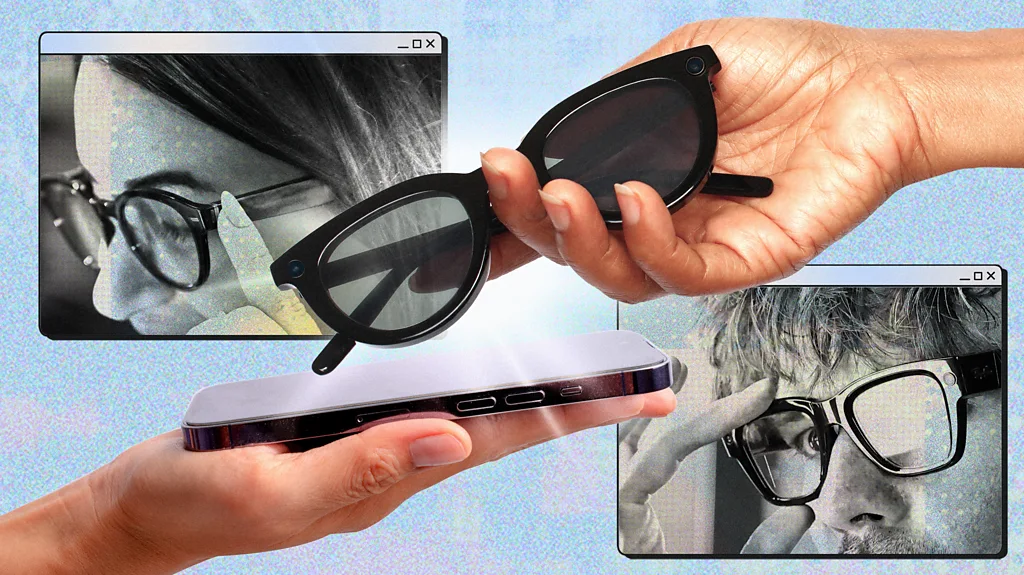
Technology companies push wearable AI as an alternative to constant screen use.
Screenless Tech is becoming a growing ambition for major technology companies as they develop AI-powered wearables designed to reduce reliance on smartphones and traditional displays.
Reports suggest Apple is exploring a future where users interact with devices without constantly looking at screens, including the possibility of AirPods equipped with cameras that help Siri understand a user’s surroundings.
Apple has not officially confirmed the plans, but industry reports indicate the technology would focus on environmental awareness and voice interaction rather than traditional photography.
Meta Glasses Kylie Jenner: New AI Smart Eyewear Launches at Lower Price
The development reflects a broader shift across the technology sector, where companies are experimenting with devices that move digital experiences away from screens and into everyday life.
Alongside smart glasses and wearable AI tools, firms increasingly see a future in which users access information through voice, gestures and contextual computing.
Snap recently introduced AI-powered smart glasses designed to function more independently from smartphones, while Meta continues expanding its wearable technology portfolio through lower-cost smart eyewear.
Supporters argue these products could create a more natural relationship with technology by reducing screen dependency and allowing users to stay engaged with their surroundings.
Potential uses include receiving directions without opening a phone, asking questions about nearby objects, interacting with appliances and accessing information through voice commands.
However, the growth of wearable AI has also intensified concerns about privacy.
Smart glasses and camera-enabled devices continue to raise questions around recording, surveillance and how visual information is processed and stored.
Technology companies insist future products may rely more heavily on local processing and privacy-focused design to address those concerns.
Industry analysts believe smartphones are unlikely to disappear entirely, but wearable AI could gradually change how often people reach for their screens.
The wider goal for technology companies appears less about replacing phones and more about creating new ways to stay connected without constantly looking down at a display