SABS University Organizes HCICT Workshop to Strengthen Harassment Framework
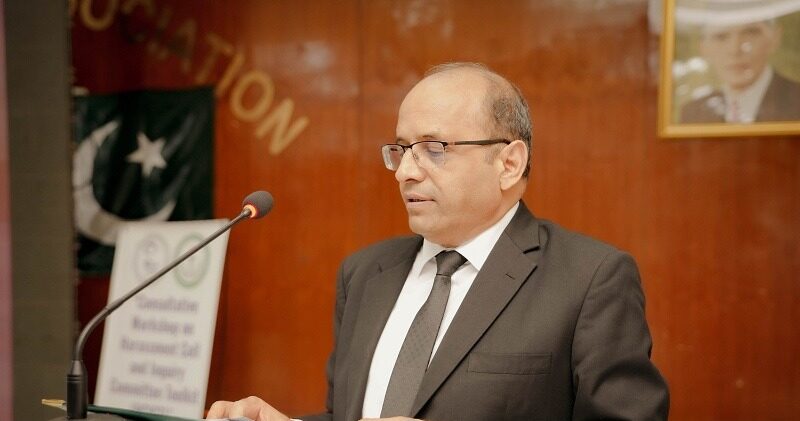
The HCICT workshop was organized by Shaheed Allah Buksh Soomro (SABS) University of Art, Design and Heritages, Jamshoro, in collaboration with the Sindh Higher Education Commission and the Sindh High Court Bar Association Karachi. The event was held to encourage dialogue on improving institutional mechanisms related to harassment prevention and inquiry procedures.
The initiative was conducted under the leadership of Vice Chancellor and Principal Investigator Prof. Dr. Arabella Bhutto. Participants discussed ways to create safer and more inclusive educational and professional environments. Moreover, the workshop aimed to support institutions in adopting practical standards for inquiry and response systems.
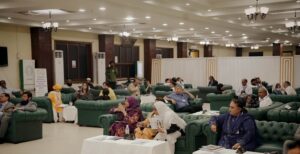
The event brought together representatives from universities, legal institutions, and public bodies across Sindh.
For more: SEO Titles (Option 1) SSGC Faces Criticism as Karachi Gas Outage Enters 15th Day
Justice Zafar Ahmed Rajput Attends HCICT Workshop
Chief Justice of the High Court of Sindh, Justice Zafar Ahmed Rajput, attended the workshop as Chief Guest. His presence highlighted continued engagement between educational institutions and legal stakeholders on institutional governance practices.
Vice-Chancellors, legal experts, researchers, members of the judiciary, and representatives of Ombudsman-related institutions joined the discussions. Participants exchanged views on transparency in inquiry proceedings and methods for strengthening institutional accountability.
The discussions also explored how structured mechanisms may contribute to improving confidence in institutional processes.
Sindh Universities Discuss Institutional Standards
During the HCICT workshop, participants shared recommendations intended to improve the effectiveness of Harassment Cells and Inquiry Committees across universities and public institutions.
The consultative process emphasized developing consistent procedures while promoting respectful and safe learning environments. Participants noted that common standards may help institutions implement clearer operational practices.
According to discussions during the event, the proposed toolkit is expected to serve as a practical guide for institutions seeking to strengthen inquiry frameworks.

HCICT Workshop Concludes With Recommendations
The workshop concluded with consensus among participants that the HCICT framework could support standardization and encourage broader institutional adoption.
Participants included Vice-Chancellors and representatives from higher education institutions across Sindh, along with officials from the legal community and public sector organizations.
At the conclusion of the event, participants received shields and certificates from Chief Justice Justice Zafar Ahmed Rajput in recognition of their participation and contribution to the consultative workshop.
Institutions represented expressed interest in continuing dialogue on policy implementation and best practices in the higher education sector.