
FPCCI Urges Government to Reform Import Tax Policy
Commercial Importers have become central to a growing debate over Pakistan’s taxation framework after the Federation of Pakistan Chambers of Commerce and Industry (FPCCI) urged authorities to revise policies affecting industrial raw material imports. The business community argues that existing measures reduce competitiveness and place additional pressure on small businesses.
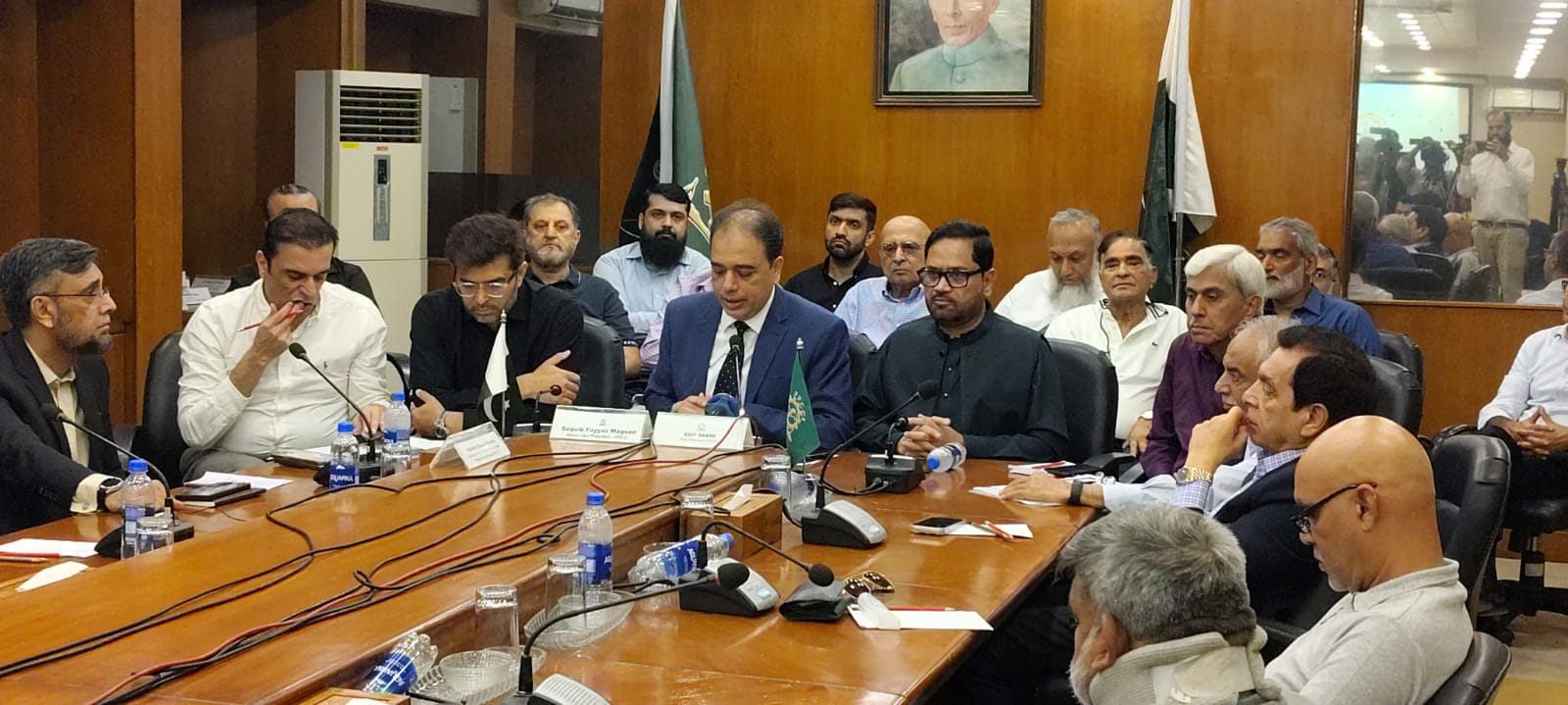
According to statements made during a press conference in Karachi, FPCCI leaders stated that unequal taxation between commercial importers and industrial manufacturers could influence market competition and impact broader economic activity. As a result, stakeholders have called for immediate policy review.
For more: SABS University Organizes HCICT Workshop to Strengthen Harassment Framework
Atif Ikram Sheikh Highlights Commercial Importers Issue
Atif Ikram Sheikh, President FPCCI, stated that commercial importers currently face additional taxation that industrial manufacturers do not bear to the same extent. He explained that business groups want equal treatment for industrial raw material imports regardless of who imports them.
He stated that commercial importers remain an important supply source for many businesses across Pakistan. Therefore, the federation believes that taxation policies should encourage fair competition rather than create barriers for legitimate trade activity.
According to the business community’s position, different tax rates may reduce market competitiveness and increase operational pressure for import-based enterprises.
Finance Bill Raises Tax Debate
FPCCI representatives also raised concerns regarding provisions proposed under the Finance Bill. They argued that industrial manufacturers receiving lower additional tax rates while engaging in trading activities may create uneven market conditions.
Saquib Fayyaz Magoon, Senior Vice President FPCCI, reportedly stated that commercial importers currently carry a larger taxation burden through additional sales tax and withholding measures.
He added that the business community believes such conditions could contribute to reduced documentation in trade activity and weaken incentives for transparent business practices.
As discussions continue, industry groups have requested authorities to reassess taxation mechanisms to improve competitiveness and support sustainable economic growth.
SMEs Depend on Commercial Importers
FPCCI representatives emphasized that cottage industries and SMEs rely heavily on commercial importers for industrial raw materials. They stated that maintaining competitive access to supplies remains important for business continuity and production activity.
Business representatives argued that if additional costs continue to rise, smaller enterprises may face difficulties maintaining operations. Consequently, they urged policymakers to ensure equal opportunities across market participants.
According to the federation, balanced taxation could support stronger market competition while helping maintain documented economic activity.
Business Associations Support Tax Reform Call
The issue was also discussed during a high-profile press conference attended by multiple trade associations and industry stakeholders.
Representatives from sectors including yarn, chemicals, artificial leather, iron and steel, and plastics supported calls for equal taxation treatment on industrial raw materials.
FPCCI maintained that industrial raw materials should receive consistent treatment under taxation policy. The organization stated that such reforms may improve competitiveness and support long-term business stability in Pakistan.