Rubio Orders Iranian UN Delegation to Leave US as Talks Stall
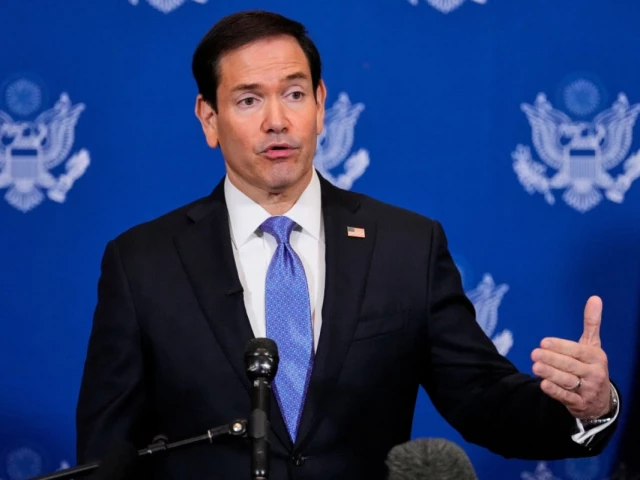
US Secretary of State Marco Rubio and Iranian Foreign Minister Abbas Araghchi amid stalled diplomatic talks.
US Secretary of State Marco Rubio ordered Iran’s delegation to the United Nations General Assembly to leave the United States after talks between Washington and Tehran stalled, according to a US official cited by Axios and Anadolu.
The delegation included Iranian Foreign Minister Abbas Araghchi. The US mission to the UN informed Iran’s mission in New York on Monday evening that the delegation should leave, Axios reported.
The delegation later flew from New York to Doha early Tuesday, according to the report. Another source said Araghchi had already planned to return to Tehran.
Talks Reach Stalemate
US officials had hoped that talks could make progress on Monday. By later that day, however, negotiations had stalled, according to the Axios report.
Qatari mediators have continued contacts with both sides. Their efforts focus on finding a compromise between Washington and Tehran.
Pakistan Says Airstrikes in Afghanistan Killed 22 Militants
The reported move came after indirect US-Iran talks during the UN General Assembly. Qatari officials shuttled between the two sides in an effort to bridge their differences.
Iran Receives US Response
Iran said Wednesday that it had received a US response to its latest proposal for reviving a collapsed Gulf ceasefire.
The proposal calls for the United States to lift its blockade of Iranian ports. Iran would then reopen the Strait of Hormuz within seven days.
President Donald Trump said earlier that he had rejected the proposal. Araghchi said Tehran had not received a formal rejection at that point.
Iran later confirmed that the US had sent a response through Qatari mediators. Reuters reported that the response reached Araghchi during his stop in Doha on his way back from New York.
Dispute Over Implementation
An official briefed on the negotiations told Reuters that the two sides broadly agree on some steps needed for a possible agreement.
However, they still disagree over the sequence in which those steps should occur.
Iran’s seven-day proposal seeks to restore an interim arrangement that collapsed weeks after its signing in June, according to the report.
Araghchi said last week that Iran had presented the plan to reopen the Strait of Hormuz. He said implementation depended on the United States.
Trump publicly rejected the proposal on September 26. He said Iran needed to meet US demands before any agreement could move forward.
Strait of Hormuz Remains Central
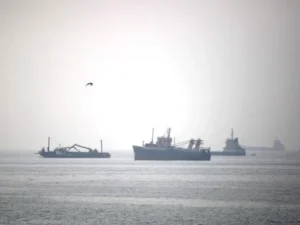
The Strait of Hormuz remains a major point in the negotiations. The waterway carries a large share of global oil shipments and has faced severe disruption during the conflict.
Reuters reported Thursday that oil flows through the Gulf had begun to recover. However, supplies remained affected by the continuing conflict.
Maritime security also remains a concern. Reuters reported that three oil tankers were hit by unidentified projectiles while traveling through the Strait of Hormuz on Tuesday. The source of the projectiles remained unclear.
US Withdrawal From Iraq
The diplomatic developments came as the United States completed its military withdrawal from Iraq.
Reuters reported that the withdrawal ended more than two decades of US military presence in the country. The United States lost about 4,500 troops during the Iraq war.
Iran and its allied groups have portrayed the withdrawal as a significant development in their efforts to reduce US military presence in the region.
The latest diplomatic contacts show that Washington and Tehran remain engaged through intermediaries. However, major differences over the terms and sequence of any agreement remain unresolved.