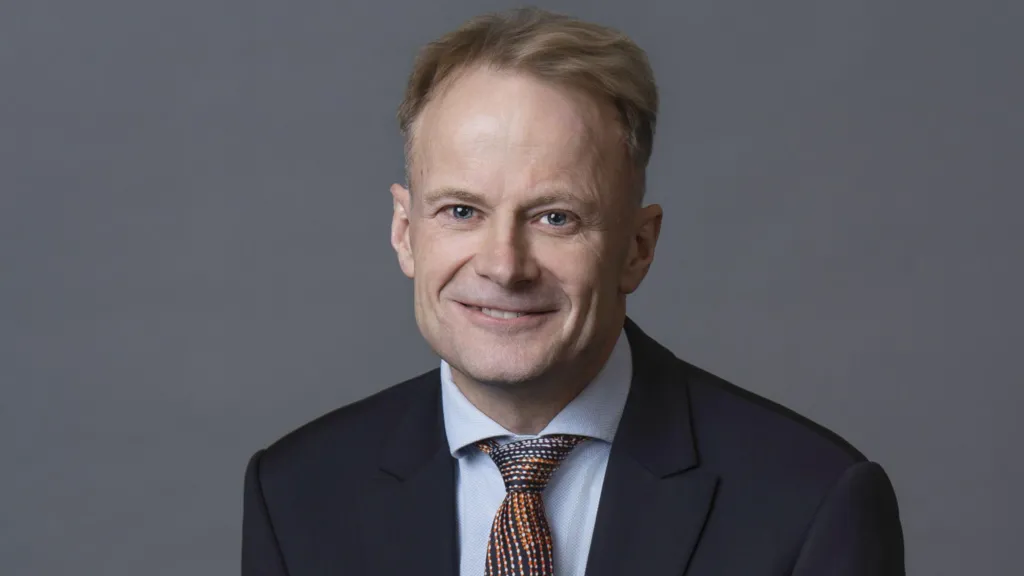
Richard Scolyer during his groundbreaking cancer research journey. PHOTO BY BBC
Richard Scolyer, one of Australia’s most respected cancer researchers, has died at the age of 59 following a three-year battle with glioblastoma, an aggressive form of brain cancer. His remarkable journey drew international attention because he became the first patient to undergo an experimental treatment based on research he helped pioneer.
The story of Richard Scolyer resonated far beyond the medical community. His decision to test a world-first treatment on himself offered new insights into brain cancer research while providing hope for future patients facing similar diagnoses.
Richard Scolyer’s Final Message
Before his death, Scolyer prepared a heartfelt farewell letter reflecting on his life, career, and personal journey.
He wrote that he wanted to continue contributing even during his darkest moments. According to his letter, he felt privileged to have shared experiences with family, friends, colleagues, and countless people throughout a life marked by optimism and passion.
Scolyer also expressed gratitude for the support he received during his illness. He thanked Australians who followed his treatment journey and offered encouragement throughout his battle with cancer.
Richard Scolyer and Georgina Long Research
Professor Georgina Long, a longtime colleague and friend, played a central role in Scolyer’s experimental treatment. Together, they served as co-directors of the Melanoma Institute Australia and transformed melanoma treatment through groundbreaking immunotherapy research.
Their work significantly improved survival rates for advanced melanoma patients worldwide. Over the past decade, immunotherapy combinations developed through their research reportedly helped change outcomes for patients who previously faced limited treatment options.
As a result, the pair received national recognition and were jointly named Australian of the Year in 2024.
Richard Scolyer Glioblastoma Treatment Breakthrough
After receiving his glioblastoma diagnosis in 2023, Scolyer chose not to follow conventional treatment alone. Instead, he and Long adapted successful melanoma immunotherapy strategies for use against brain cancer.
The experimental approach included combination immunotherapy before surgery, a method never previously used in a brain cancer patient. Additionally, doctors administered a personalized vaccine designed to target the unique characteristics of his tumour.
Although Scolyer and his team understood the chances of a cure were extremely small, they hoped the treatment would extend survival and provide valuable scientific data.
Subsequent scans reportedly showed encouraging immune responses within the brain. Consequently, those findings contributed to an early-stage clinical trial in the United States aimed at evaluating the treatment’s effectiveness in other patients.
Georgina Long Honors Richard Scolyer Legacy
The medical community widely praised Scolyer’s courage and commitment to advancing science.
Australian Prime Minister Anthony Albanese described him as one of the nation’s brightest minds and biggest hearts. Albanese stated that Scolyer’s openness throughout his illness inspired many people while highlighting the importance of medical research.
Meanwhile, fellow researchers and clinicians remembered him not only as an internationally respected scientist but also as a mentor who helped train future generations of pathologists.
Richard Scolyer Impact on Cancer Research
Beyond his own treatment journey, Scolyer’s contributions to cancer research will continue to influence patient care globally.
His work helped redefine melanoma treatment standards. Furthermore, the experimental glioblastoma therapy he underwent has opened new avenues for researchers investigating innovative approaches to aggressive brain cancers.
According to interviews and public statements, Scolyer consistently believed scientists should challenge existing limitations and pursue discoveries that could improve lives. He also encouraged governments to continue funding medical innovation and research.
Richard Scolyer Family and Lasting Influence
Richard Scolyer is survived by his wife, fellow pathologist Katie Nicholl, and their three children.
In his final message, he expressed pride in his family and gratitude for their unwavering support throughout his cancer journey. He stated that their strength and compassion represented the very best of humanity.
Although his battle with glioblastoma has ended, Scolyer’s scientific contributions and willingness to place himself at the center of experimental research may continue influencing cancer treatment for years to come. His legacy remains closely tied to the pursuit of better outcomes for patients facing some of the world’s most challenging diseases.