PHDEC Holds Mango Bagging Workshop in Tando Jam to Boost Export Quality
Web Desk April 28, 2026TANDO JAM: The Pakistan Horticulture Development and Export Company organized a comprehensive workshop on “Mango Bagging and Distribution” in Tando Jam on April 28, 2026, aimed at improving fruit quality and enhancing Pakistan’s mango export potential.
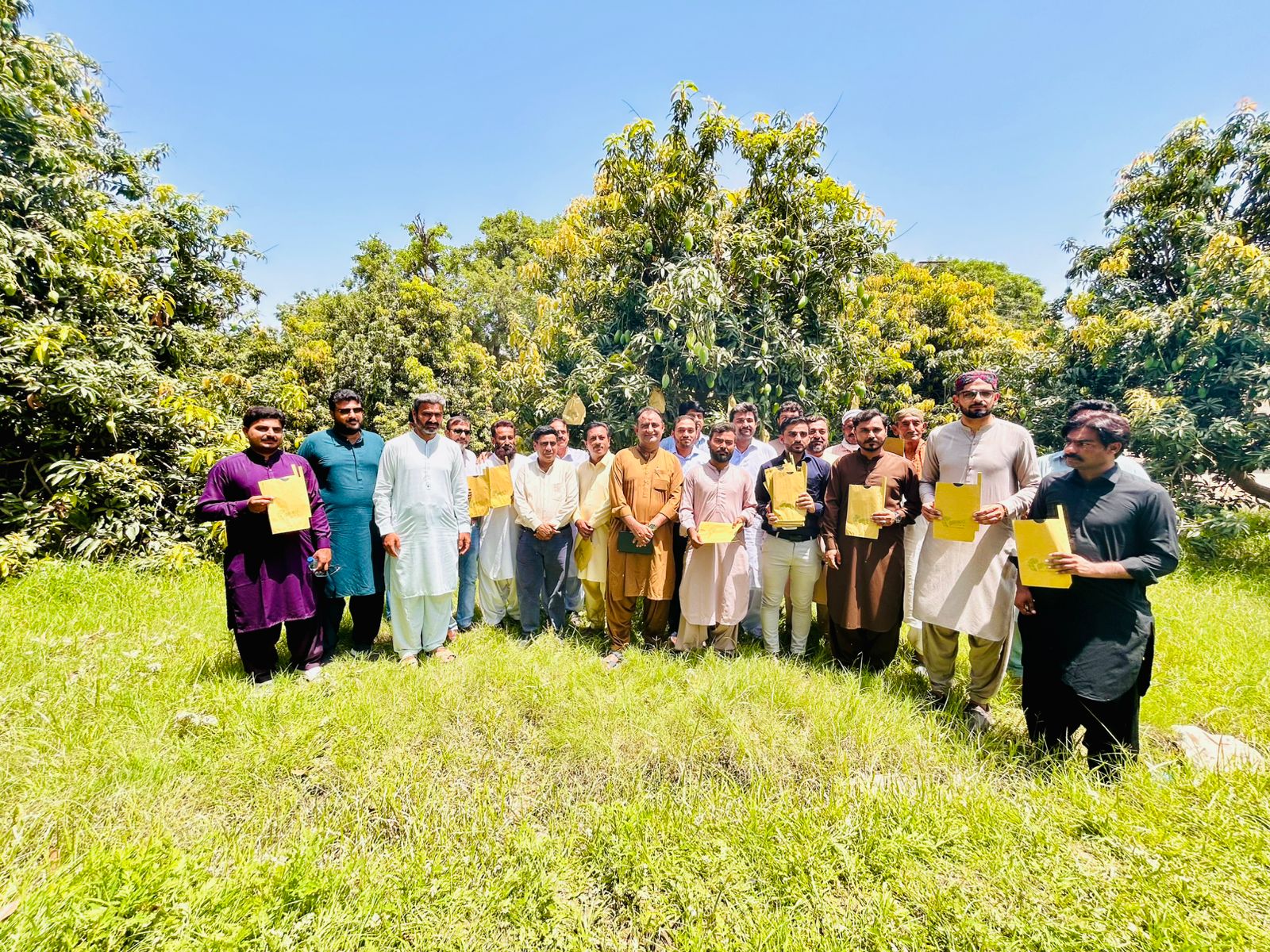
TANDO JAM: The Pakistan Horticulture Development and Export Company organized a comprehensive workshop on “Mango Bagging and Distribution” in Tando Jam on April 28, 2026, aimed at improving fruit quality and enhancing Pakistan’s mango export potential.
Health Minister Mustafa Kamal Denies HIV Outbreak, Says 84,000 Registered Cases in Pakistan
The workshop brought together a large number of stakeholders, including scientific officers from the Agriculture Research Sindh, experts from Sindh Agriculture University, mango growers, exporters, and representatives from farmer organizations and the private sector.
Renowned agricultural expert Dr Niaz Ahmed Wahocho delivered a detailed technical briefing on mango bagging practices, highlighting their practical benefits and facilitating coordination with local growers for effective field implementation.
The initiative builds on PHDEC’s earlier pilot project, which demonstrated significant improvements in mango quality through bagging techniques. Encouraged by these results, the company is now promoting large-scale adoption among growers.
Participants were provided detailed guidance on the concept, timing, and methodology of mango bagging, along with field demonstrations. Experts explained that the technique helps protect fruit from sap burn, fruit fly infestation, mechanical damage, and various diseases—key factors that reduce marketability.
The workshop also emphasized that improving quality standards is essential for increasing Pakistan’s competitiveness in international markets, where demand for high-grade produce continues to rise.
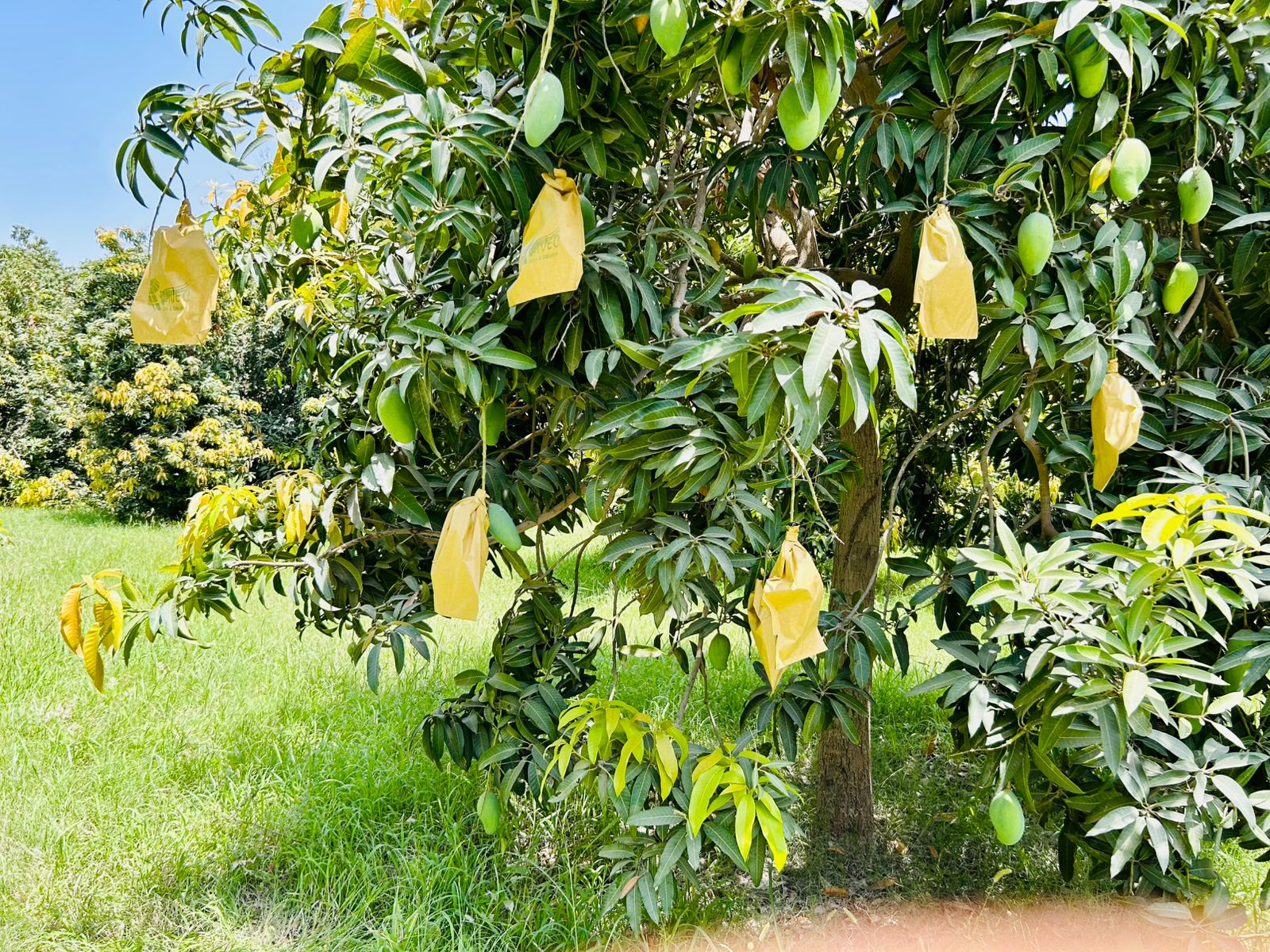
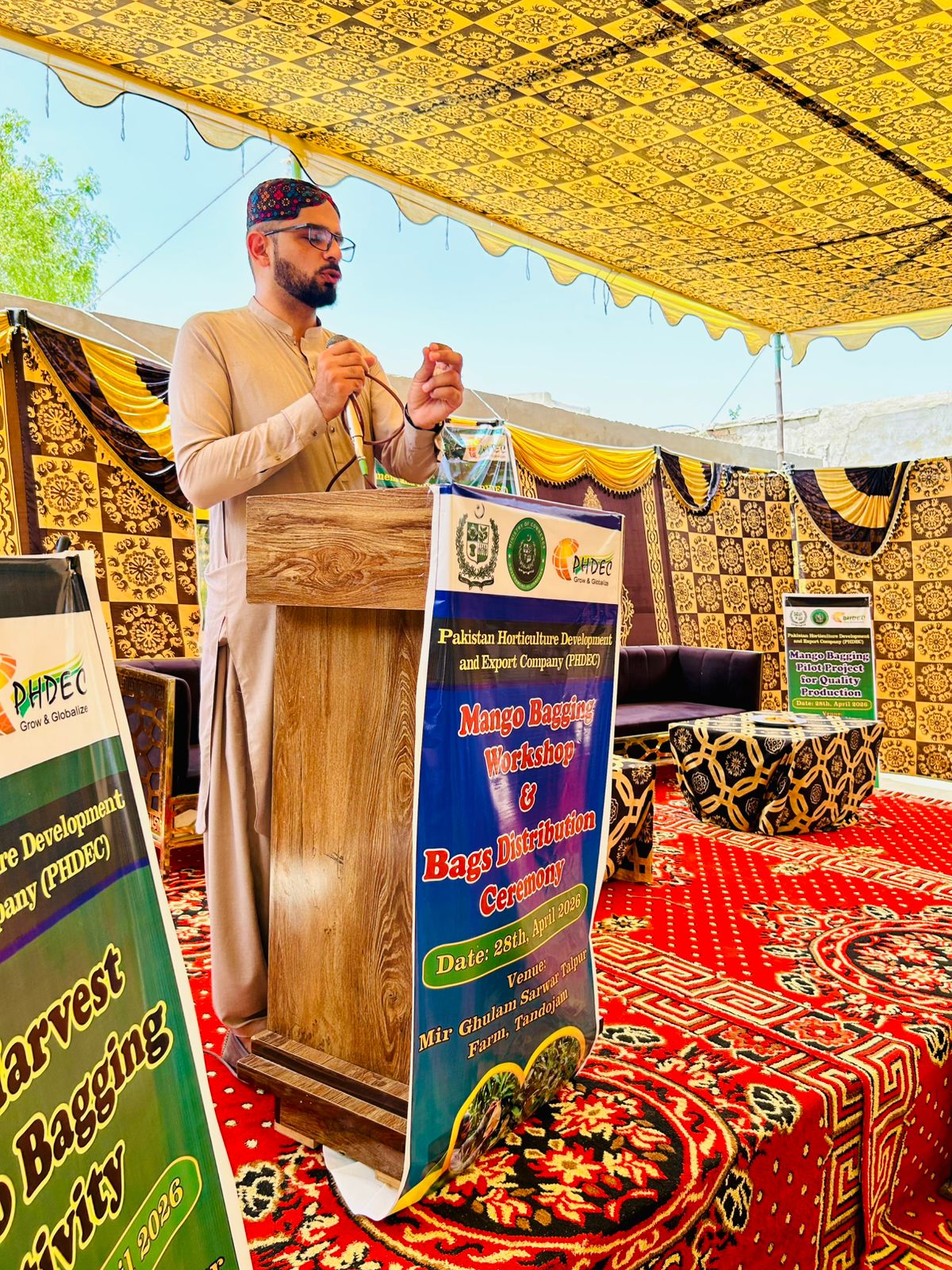
To support immediate adoption, PHDEC distributed 75,000 mango bags among participating farmers and exporters. Representatives from the Agricultural Research Institute (ARI), Tando Jam, and CABI International also attended the session.
Despite being the world’s fifth-largest producer of mangoes, Pakistan continues to face challenges in expanding its export share due to quality constraints. Experts noted that initiatives like mango bagging can play a vital role in reducing post-harvest losses, improving fruit quality, and strengthening Pakistan’s position in global markets.