Interest Rate Hike Deepens Competitiveness Crisis for Industry: NKATI President Faisal Moiz Khan
Web Desk April 27, 2026Karachi: Faisal Moiz Khan, President of the North Karachi Association of Trade and Industry (NKATI), has strongly criticized the State Bank of Pakistan for raising the policy rate by one percentage point, warning that the move could severely undermine industrial growth amid mounting economic pressures.
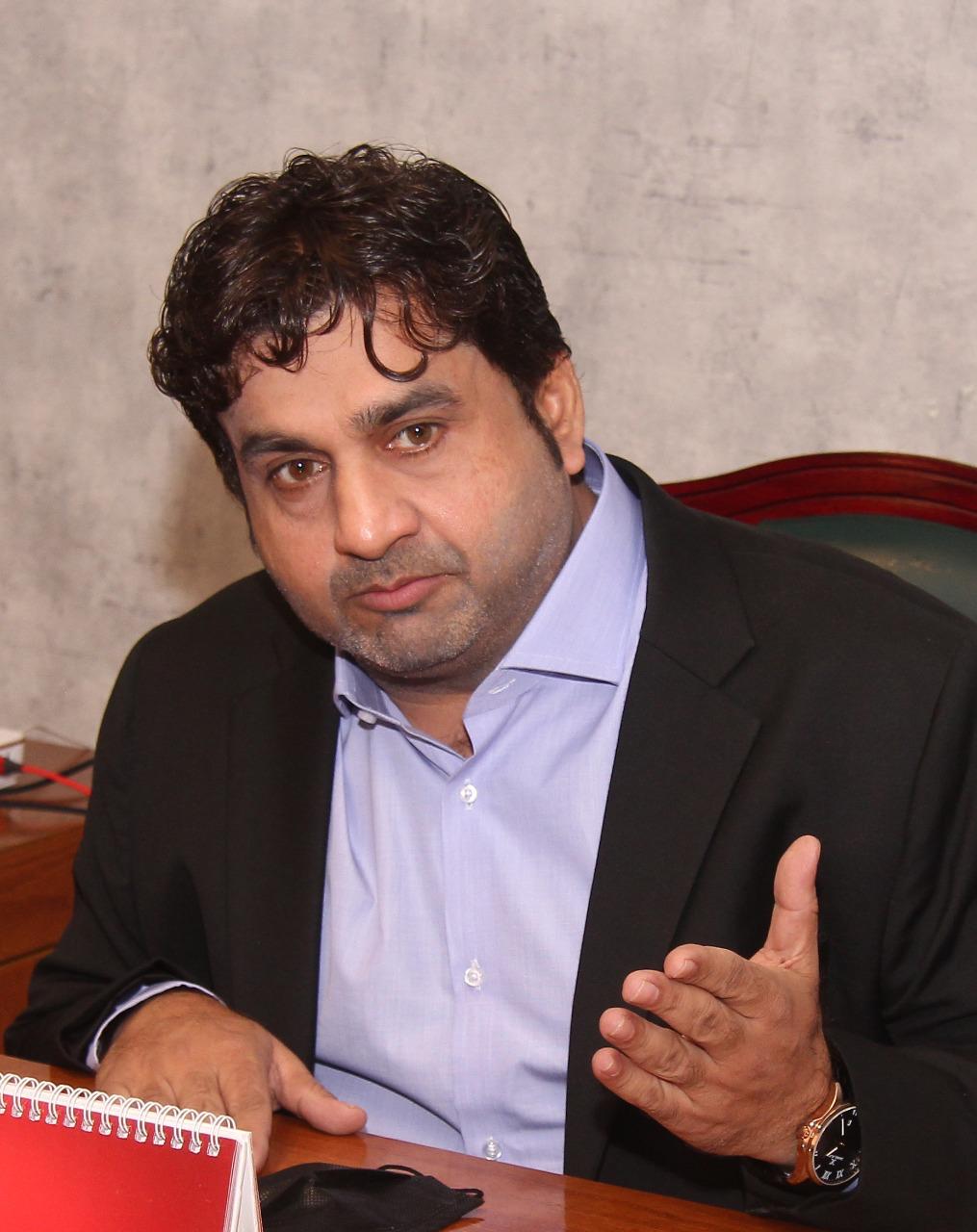
Karachi: Faisal Moiz Khan, President of the North Karachi Association of Trade and Industry (NKATI), has strongly criticized the State Bank of Pakistan for raising the policy rate by one percentage point, warning that the move could severely undermine industrial growth amid mounting economic pressures.
Rising Suicide Cases Among Female Students Raise Alarm at Karachi Seminar
In a statement issued on Monday, he said the increase in interest rates would significantly raise the cost of financing, making it increasingly difficult for industries to sustain operations. “Industrialists are already burdened by high production costs and rising inflation — this decision will further aggravate the situation,” he remarked.
Faisal Moiz Khan highlighted a widening gap between Pakistan and its regional competitors, noting that while many neighboring economies operate with single-digit interest rates, Pakistan continues to impose double-digit borrowing costs on its business sector. He warned that this disparity is eroding industrial competitiveness and discouraging both local and foreign investment.
He further pointed out that escalating petroleum prices have already driven up manufacturing costs, placing additional strain on industries. The latest hike in the policy rate, he said, would only intensify financial challenges for manufacturers struggling to remain viable.
Expressing concern over the impact on small and medium-sized enterprises (SMEs), he said the sector — considered the backbone of Pakistan’s economy — is already facing difficulties in accessing affordable credit. “With higher interest rates, SMEs will find it even harder to secure financing, which could have serious consequences for economic activity and employment,” he cautioned.
Referring to the broader global environment, Faisal Moiz Khan noted that rising geopolitical tensions, particularly between the United States and Iran, have already created economic uncertainty across the region. In such circumstances, he said, the business community had expected the central bank to maintain or reduce interest rates to support economic stability.
He also stressed that the export sector, a key source of foreign exchange earnings, required urgent relief to remain competitive in international markets. However, the recent monetary policy decision, he said, has failed to address these concerns.
Calling for immediate intervention, the NKATI president urged the government and the State Bank to review the policy decision, reduce interest rates, and bring down petroleum prices to ease pressure on the industrial sector. He emphasized that such measures are essential to sustain production, safeguard jobs, and steer the economy toward stable growth.