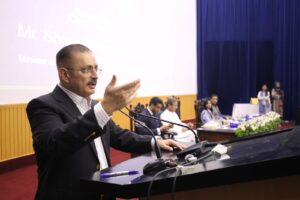
Health Minister Mustafa Kamal Denies HIV Outbreak, Says 84,000 Registered Cases in Pakistan
Web Desk April 28, 2026ISLAMABAD: Federal Health Minister Mustafa Kamal on Tuesday rejected reports of a new HIV outbreak in Taunsa and Islamabad, stating that there is no evidence of any fresh surge in 2026, while presenting updated national HIV statistics.
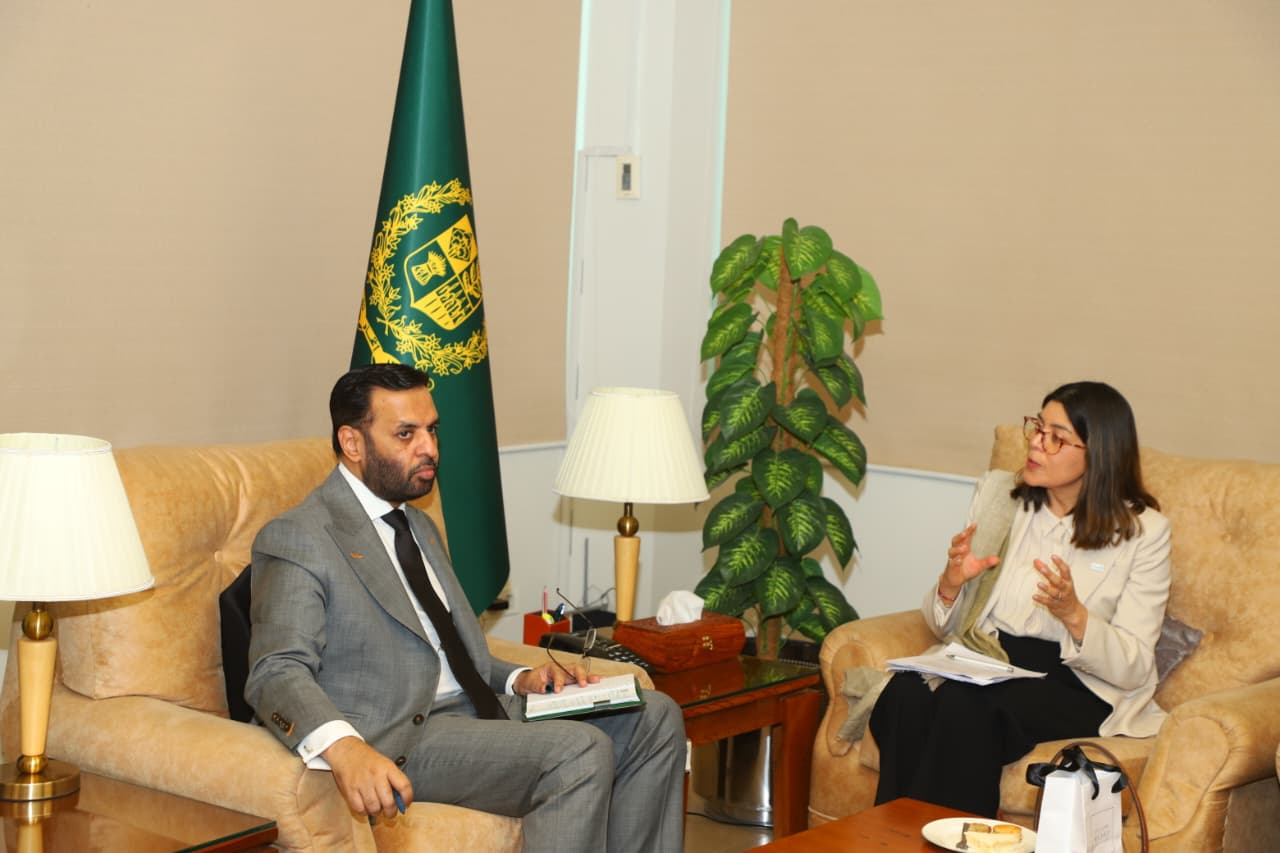
ISLAMABAD: Federal Health Minister Mustafa Kamal on Tuesday rejected reports of a new HIV outbreak in Taunsa and Islamabad, stating that there is no evidence of any fresh surge in 2026, while presenting updated national HIV statistics.
Mondel?z Pakistan Wins Six Awards at Effie Awards 2026, Strengthens Marketing Leadership Position
Addressing a press conference in Islamabad, the minister said that Pakistan currently has around 84,000 registered HIV cases, of which only 21,000 patients are receiving treatment. He noted that a large number of infected individuals remain unregistered or are not in treatment programmes.
He clarified that the reported outbreak in Taunsa dates back to 2024 and not 2026, adding that no new outbreak has been confirmed in either Taunsa or Islamabad this year. The reference comes amid renewed attention on a BBC report highlighting alleged medical malpractice at a government hospital in Taunsa, which was previously linked to an HIV cluster among children.
The minister said that in Islamabad alone, 618 HIV cases have been registered, including both local and non-local patients. He also shared broader national estimates, stating that experts believe Pakistan could potentially have up to 369,000 HIV cases, though only a fraction have been officially recorded.
Kamal provided data showing that testing capacity has increased significantly in recent years. In 2020, around 37,944 individuals were screened across 49 centres, with 6,910 testing positive. By 2025, testing facilities had expanded to 97 centres, with more than 374,000 tests conducted and 14,182 positive cases identified.
He emphasised that HIV is a manageable chronic condition and not immediately fatal if treated properly. “The only condition is lifelong medication,” he said, adding that treatment also prevents transmission to others.
The minister expressed concern over what he described as a large number of “missing patients” who are infected but not receiving treatment. He warned that without consistent medication, the disease can continue to spread silently within communities.
Kamal also highlighted ongoing government efforts, stating that there are 68 HIV treatment centres across 160 districts, with plans to expand services further. He urged patients not to hide their condition, stressing that stigma contributes to the spread of the virus.
Referring to past challenges, he said the use of reused syringes has now been banned and stricter measures are being implemented to prevent infection risks in healthcare settings. He also criticised corruption in health-related aid programmes, including the reported theft of mosquito nets provided under international assistance.
The remarks come as parliamentary committees and health experts continue to express concern over rising HIV detections, particularly among children in Taunsa. Earlier, the National Assembly Standing Committee on National Health Services had also termed the situation alarming and sought detailed briefings from health authorities.
Health experts at major hospitals, including the Pakistan Institute of Medical Sciences, have noted that increased screening is contributing to higher detection rates, while stressing the importance of continued surveillance and preventive measures.
Despite official reassurances, public health professionals continue to call for stronger monitoring systems, improved infection control, and expanded awareness campaigns to prevent further spread of the disease.