PHDEC and CEFORT Join Hands to Boost Pakistan’s Olive Industry
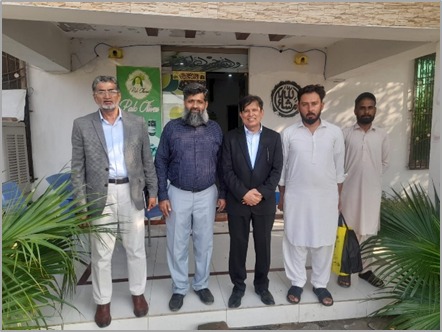
PHDEC and CEFORT strengthen cooperation to support olive growers, improve oil quality and expand Pakistan’s olive exports.
The Pakistan Horticulture Development and Export Company (PHDEC) and the Centre of Excellence for Olive Research and Training (CEFORT) have agreed to strengthen cooperation. Their goal is to promote Pakistan’s olive industry and improve its export potential.
Olive cultivation offers Pakistan an opportunity to reduce its dependence on imported edible oil. Over the past 15 years, more than seven million olive trees have been planted across 50,000 acres in 131 districts.
The Potohar region alone accounts for more than 2.2 million trees across 16,000 acres. Meanwhile, Pakistani olive oils have won gold and silver awards at competitions in New York, London, Berlin and Dubai. These achievements have raised interest in local olive production and its export potential.
CEFORT Supports Growers and Olive Entrepreneurs
Dr Ramzan Anser, Director of CEFORT, briefed the PHDEC delegation on the centre’s ongoing work. He said more than 100 start-ups are developing and marketing olive products across Pakistan.
CEFORT has also tested more than 26 olive varieties in different agroecological zones. Multilocation trials identified 10 leading varieties for cultivation. In addition, the centre has established 14 certified olive plant nurseries.
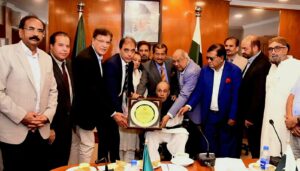
Sindh Governor Calls British Council Library a Treasure Trove of Knowledge
The centre also trains interns and develops skilled workers for the growing industry. Furthermore, it supports product development and helps growers share knowledge about production and marketing.
To strengthen this network, CEFORT has connected 13,500 growers through Facebook and another 1,000 through WhatsApp. These platforms help growers exchange information and discuss industry challenges.
Delegation Reviews Research and Processing Facilities
During the visit, Dr Anser accompanied the PHDEC team to several facilities at BARI Chakwal. These included the quality-control laboratory, plant pathology laboratory, product-development facility and germplasm area.
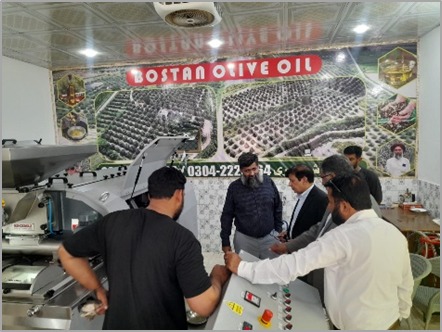
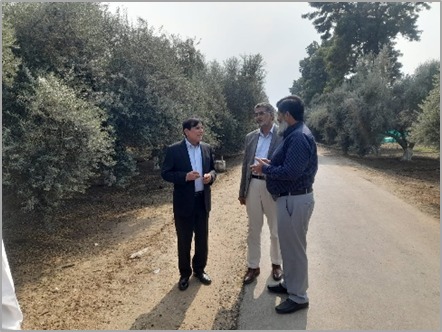
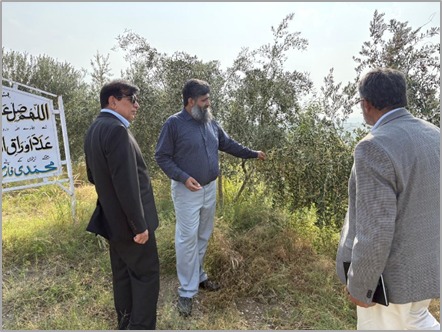
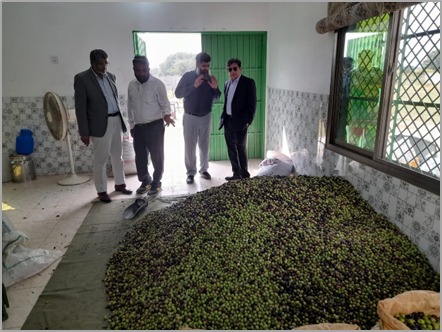
The delegation also visited a private-sector processing facility to assess the quality of olives being processed. Afterwards, the team toured a model olive farm near Kallar Kahar.
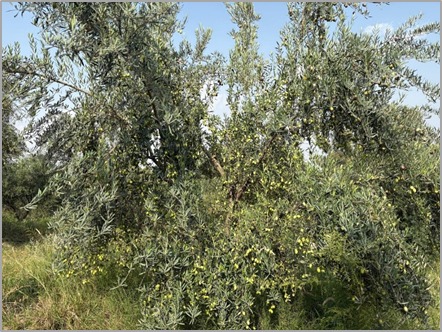
At the farm, well-managed tree canopies were producing up to 50 kilograms of fruit per tree. The visit demonstrated the potential of effective orchard management to improve production.
Joint Training and Export Support Planned
PHDEC Chief Executive Officer Muhammad Naseer appreciated CEFORT’s contribution to Pakistan’s olive sector. He highlighted its work on certified varieties, laboratory testing, disease management, oil extraction and value-added products.
Following the visit, both organisations agreed to arrange joint training programmes. These will target growers, processors and exporters. The training will focus on producing high-quality olive oil that meets international standards.
Moreover, the organisations proposed a support programme for selected entrepreneurs. It would provide exposure to international markets and help them participate in relevant trade exhibitions.
Addressing Industry Challenges
PHDEC and CEFORT also agreed to work together on challenges facing olive businesses. These include quality control, complex product-approval procedures and identifying the right forums for product registration.
In addition, the partners aim to help businesses promote branded olive products and improve their market reach.
Naseer invited CEFORT to participate in FoodAg Expo 2026. He proposed that the centre contribute as a panellist and technical expert at a seminar on olives.
He reaffirmed PHDEC’s commitment to working closely with CEFORT. Through this cooperation, both organisations aim to strengthen domestic production, support entrepreneurs and expand Pakistan’s presence in international olive markets.