Petroleum Levy: Government Collecting Rs80 Per Litre on Petrol, Minister Tells Committee
Ali Pervaiz Malik says removing the petroleum levy would require alternative revenue sources as the government pushes ahead with energy sector reforms.
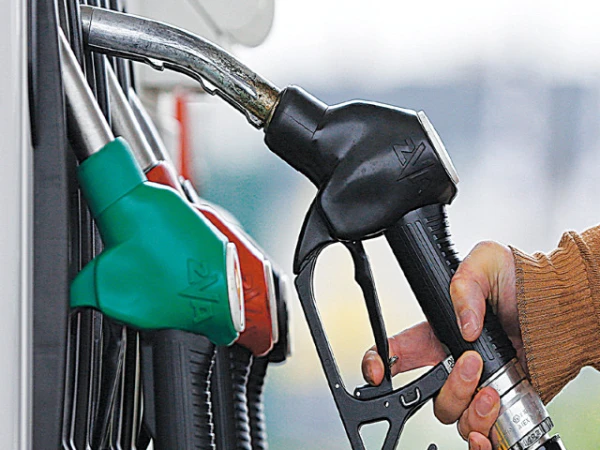
Motorists refuel vehicles after Pakistan announces revised petrol and diesel prices.
Petroleum Levy remains a key source of government revenue, Federal Minister for Petroleum Ali Pervaiz Malik told the National Assembly Standing Committee on Petroleum, saying the government currently collects nearly Rs80 per litre on petrol and Rs70 per litre on diesel through the levy.
Speaking during a committee meeting chaired by Mustafa Mahmood, the minister said abolishing the levy would require an alternative source of revenue because the government must either recover its expenditures through the levy or absorb the financial burden elsewhere.
Malik said Pakistan imports around 70% of its petrol requirements, making domestic fuel prices highly vulnerable to changes in international markets. He explained that lower crude oil prices do not automatically result in cheaper petrol because refined petroleum products remain expensive globally.
The minister said the Oil and Gas Regulatory Authority (OGRA) determines petroleum prices under a transparent pricing formula linked to the Platts benchmark. He added that the government is considering making Platts pricing information publicly available to improve transparency.
Trump-Erdogan Talks: US Signals Decision on F-35 Jets as Leaders Discuss Iran and Gaza
He said insurance and freight costs increased sharply during periods of regional conflict but noted that Pakistan avoided fuel shortages despite the challenging conditions. According to the minister, the petroleum levy is deposited into the federal treasury, while efforts continue to make the fuel pricing system more transparent.
Malik told the committee that the government is working on deregulating the petroleum sector to encourage greater private-sector competition, which could help reduce fuel prices over time. He added that the refinery upgradation policy has been submitted to the federal cabinet and improving domestic refining capacity remains a government priority.
The minister also outlined reforms in the gas sector, saying they are being implemented with support from the World Bank. He confirmed that preparations for the privatisation of gas companies are underway as part of broader structural reforms aimed at improving efficiency and energy security.
He stressed the need to expand Pakistan’s fuel storage capacity, upgrade port infrastructure, and introduce night navigation facilities to strengthen the country’s energy supply chain. He added that larger cargo vessels cannot be accommodated without significant infrastructure improvements.
Malik said OGRA needs stronger institutional leadership and confirmed that the government is searching for a permanent full-time chairman. He said advertisements had failed to attract a suitable candidate, prompting the government to consider recruiting a qualified expert through a headhunting process, including from abroad if necessary.
The minister said Pakistan is working towards adopting Euro 5 fuel standards and emphasised that consumers would not bear the financial burden of refinery inefficiencies. He added that the government’s priority is to minimise additional costs for consumers while ensuring a reliable fuel supply.
Responding to concerns over LPG prices, Malik said only 30% to 40% of Pakistan’s LPG demand is met through local production, while the remainder is imported. He said LPG prices are linked to international propane and butane prices and that legal proceedings have delayed the LPG auction process.
Committee members also questioned OGRA’s enforcement of LPG pricing. Malik said the regulator is responsible for both determining and implementing LPG prices, adding that the Petroleum Ministry has issued written instructions to ensure compliance.
The meeting ended after a heated exchange between Parliamentary Secretary Mian Khan Bugti and committee member Gul Asghar. Committee Chairman Mustafa Mahmood urged members to maintain parliamentary decorum before adjourning the session.