Strait of Hormuz: US Launches Major Strikes on Iranian Targets After Tanker Attacks
Web Desk July 8, 2026Washington says more than 80 military targets were hit following attacks on commercial oil tankers, while Tehran condemns the operation as a breach of a recent US-Iran agreement.
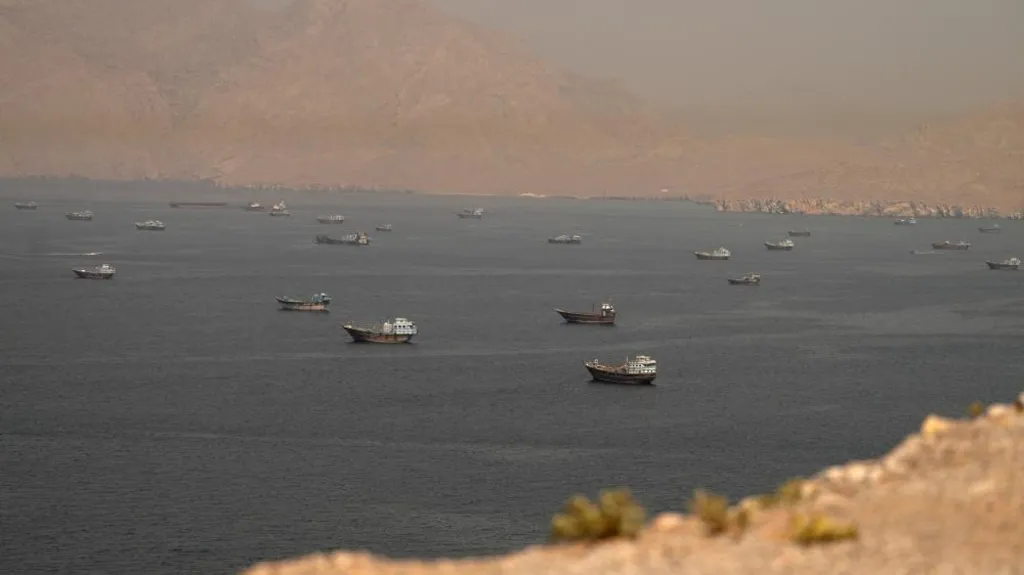
US military launches strikes following tanker attacks in the Strait of Hormuz.
Strait of Hormuz tensions escalated sharply after the United States launched what it described as powerful strikes against Iranian military targets in response to attacks on three commercial oil tankers in the strategic waterway.
The US Central Command (CENTCOM) said it struck more than 80 targets, including over 60 Islamic Revolutionary Guard Corps (IRGC) fast attack boats, as well as missile launch sites and command centres. The military said the operation aimed to impose significant costs on those responsible for attacks on commercial vessels navigating an international shipping route.
The strikes followed incidents involving three oil tankers in and around the Strait of Hormuz. The United States described the attacks as “wholly unacceptable” and warned there would be consequences for those responsible. Iran has not directly claimed responsibility for the tanker attacks.
Iranian state media reported that explosions struck Qeshm Island, Bandar Abbas, and Sirik, with several people reportedly injured by shrapnel. Iranian authorities have not released an official casualty count.
Petroleum Levy: Government Collecting Rs80 Per Litre on Petrol, Minister Tells Committee
Iran’s Deputy Foreign Minister condemned the US operation, calling it a violation of the memorandum of understanding signed between Washington and Tehran last month. The Foreign Ministry said the move demonstrated the United States’ “bad faith” and warned that Iran would take what it described as “decisive measures” to protect its national interests and security.
Before launching the strikes, the US Treasury revoked a waiver that had temporarily eased oil sanctions on Iran under the bilateral memorandum, adding further pressure to already strained relations.
Regional tensions also increased after Qatar and Saudi Arabia accused Iran of targeting tankers linked to their countries while they were transiting through or near the Strait of Hormuz. Qatar said a vessel named Al-Rekayyat had come under attack, while Saudi Arabia reported that the tanker Wadyan had also been targeted.
Iran rejected Qatar’s accusations, describing them as inconsistent with the principles of good neighbourly relations. Iranian officials said vessels using routes that were not coordinated with Iranian authorities or interfering with their tracking systems increased navigational risks in the busy waterway.
The United Kingdom Maritime Trade Operations (UKMTO) also reported several security incidents in the Strait of Hormuz. According to the agency, one tanker caught fire after an unidentified projectile struck its engine room, while two other vessels sustained damage but continued their voyages.
Despite the military escalation, US officials said diplomatic efforts with Iran would continue. Last month, Washington and Tehran agreed to a 14-point memorandum of understanding aimed at extending a ceasefire and reducing tensions across the region.
Under the agreement, Iran and Oman were expected to hold talks with Gulf states on the future administration and maritime services of the Strait of Hormuz. Iranian media have also reported proposals for Tehran and Muscat to jointly oversee aspects of shipping management, including the possible introduction of transit service fees.