Petrol Price: Government Cuts Petrol Rate, Raises Diesel Price from July 21
Petrol falls by Rs0.35 per litre while high-speed diesel rises by Rs5.71 as Pakistan adjusts fuel rates to reflect global oil market fluctuations.
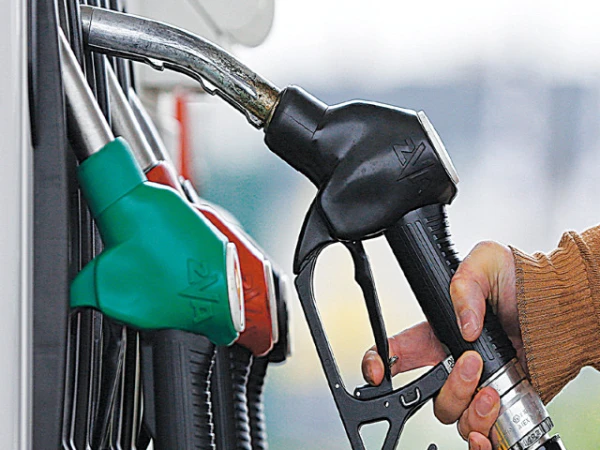
Motorists refuel vehicles after Pakistan announces revised petrol and diesel prices.
Petrol Price revisions announced by the federal government on Monday lowered the price of petrol by Rs0.35 per litre while increasing the price of high-speed diesel (HSD) by Rs5.71 per litre, reflecting changes in international oil markets following renewed tensions in the Persian Gulf.
Under the new rates, petrol will cost Rs315.80 per litre, while HSD will be available at Rs360.06 per litre. The revised prices will take effect from July 21.
According to the Petroleum Division, the adjustments reflect fluctuations in global fuel prices caused by renewed regional hostilities and changing international market conditions.
Pakistan-Canada: Army Chief Asim Munir Meets Canadian Foreign Minister Anita Anand at GHQ
Diesel prices have declined significantly from their peak of Rs520.35 per litre recorded on April 3. They had risen sharply from Rs281 per litre after the conflict involving the United States and Iran escalated on February 28.
Similarly, petrol prices had reached a record Rs458.41 per litre on April 3 after increasing from Rs266 per litre in early March.
Earlier, Petroleum Minister Ali Pervaiz Malik announced that Pakistan would move to a daily fuel pricing mechanism instead of weekly revisions. He said the federal cabinet authorised the Oil and Gas Regulatory Authority (Ogra) to determine fuel prices each day according to international market trends.
The government had introduced weekly fuel price revisions in early March while implementing measures to conserve fuel amid concerns over possible disruptions to global oil supplies. It also announced targeted fuel subsidies in April to support eligible consumers.
However, the All Pakistan Dealers Association opposed the decision to adopt daily fuel pricing. The association said it would discuss a possible protest strategy during the week.
Petrol remains the primary fuel for private vehicles, motorcycles, rickshaws, and small transport. As a result, changes in petrol prices directly affect middle- and lower-income households.
Meanwhile, diesel powers heavy transport, agricultural machinery, power plants, and industrial generators. Consequently, higher diesel prices often increase transportation and logistics costs, which can affect the prices of goods and services across the country.
Petrol and HSD continue to generate the largest share of petroleum sales, with combined monthly consumption ranging between 700,000 and 800,000 tonnes, while kerosene demand remains comparatively low.