Pakistan Relief Budget Gains Attention After Attaullah Tarar Remarks
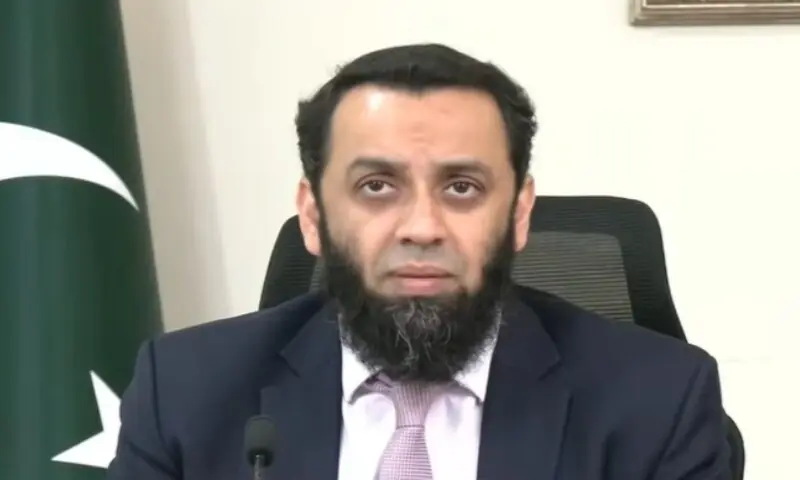
Government briefing on Pakistan’s relief-focused federal budget
Pakistan’s federal government described the upcoming fiscal plan as a Relief Budget designed to support households, exporters and businesses while improving tax collection. During a media briefing, Information Minister Attaullah Tarar said the government created fiscal space through reforms and targeted enforcement rather than increasing pressure on existing taxpayers.
According to the minister, the budget aims to maintain economic stability while extending relief to sectors that faced pressure in recent years. He argued that economic indicators had improved after difficult periods and stated that reforms were intended to strengthen long-term confidence across industries and public finances.
Pentagon Restores US Pacific Command Name in Strategic Shift
Attaullah Tarar Highlights Relief Budget Goals
Tarar said criticism of the budget should focus on policy outcomes rather than political positioning. He stated that the government inherited difficult economic conditions and later introduced measures intended to stabilize the economy.
He added that leadership decisions and fiscal planning created room for relief measures. According to Tarar, the government followed a domestic strategy designed to improve revenue generation while limiting additional burden on compliant taxpayers.
Moreover, he stated that economic reforms were linked to transparency, digitisation and stronger institutional systems. As a result, officials argued that improved administration created opportunities for targeted tax reductions and incentives.
FBR Reforms Drive Relief Budget Measures
Tarar identified structural weaknesses within the Federal Board of Revenue and said digitisation had remained incomplete while coordination challenges reduced collection efficiency.
He stated that reforms introduced merit-based appointments and wider technology adoption. According to the briefing, customs operations increasingly moved toward digital processing and reduced direct interactions.
Additionally, he claimed exporters would experience faster shipment clearances under system-based approvals. He also said enforcement actions targeted sectors that reportedly generated strong profits but showed limited tax contribution.
The minister stated that sugar sector monitoring expanded through technology tools and QR-based tracking. He further claimed additional revenue was collected through enforcement and dispute resolution mechanisms.
Shehbaz Sharif Budget Relief for Taxpayers
Tarar said the government sought to ensure taxpayers were not carrying additional obligations created by non-compliance elsewhere in the system.
He stated that relief had been extended to salaried individuals through revised tax slabs. According to the briefing, lower-income salary brackets would receive reduced tax exposure.
Furthermore, he said taxes linked to selected housing purchases had also been reduced. The government additionally referenced support under housing initiatives intended to assist aspiring homeowners.
Officials also highlighted support for exporters through the removal of selected tax measures. They argued these decisions would improve competitiveness and encourage economic activity.
Muhammad Aurangzeb Budget Strategy and Growth
State Minister for Finance Bilal Azhar Kayani supported the government’s position and described the fiscal plan as relief-oriented.
He said the budget included measures for industry, exporters, construction activity and younger segments of the population. He also noted that policies were intended to broaden the tax net while encouraging economic participation.
Meanwhile, the federal budget introduced wider proposals including changes affecting traders, retailers and digital income channels. Additional incentives were announced for selected electric vehicle segments while restrictions were proposed for luxury categories.
Finance Minister Muhammad Aurangzeb previously stated that the budget was developed around productivity growth and export expansion. Government officials argued that these measures would help revive economic activity while maintaining fiscal discipline.
The government maintains that the Relief Budget combines tax reforms, enforcement and targeted incentives to support economic recovery and encourage broader participation in the formal economy.