Pakistan Extends Austerity Measures Until June 30 Amid Ongoing Oil Crisis and Fuel Conservation Efforts
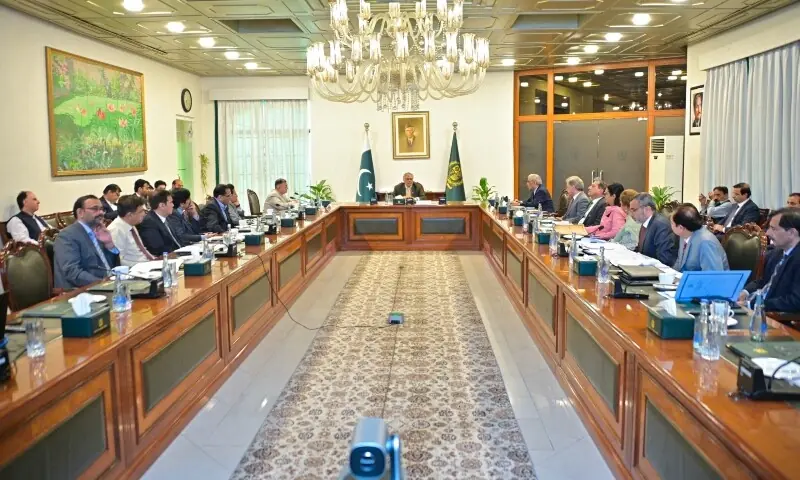
Pakistan extends austerity measures amid ongoing global oil crisis.
Pakistan’s Austerity Measures are set to continue after a government committee recommended extending the nationwide drive until June 30. The decision reflects ongoing concerns about rising energy costs and the impact of the global oil crisis on the country’s economy.
The extension of the Austerity Measures comes as Pakistan seeks to reduce fuel consumption and manage economic pressures. Moreover, officials believe continued conservation efforts can help limit the financial impact of higher international oil prices.
Ishaq Dar Reviews Austerity Measures
A committee chaired by Deputy Prime Minister and Foreign Minister Ishaq Dar met on Wednesday to assess the implementation of existing restrictions. According to an official statement, the committee recommended extending the countrywide austerity drive until June 30.
Previously, Prime Minister Shehbaz Sharif had approved an extension of the measures until June 13. However, the latest recommendation aims to continue conservation efforts for an additional period due to ongoing economic challenges.
Asif Ali Zardari summons National Assembly budget session amid budget uncertainty in Pakistan
Pakistan Oil Crisis Drives Decisions
The government introduced the Austerity Measures on March 9 following a global oil crisis linked to the Middle East conflict. Rising energy prices prompted authorities to adopt emergency steps to reduce fuel consumption across government departments.
As a result, ministries and public institutions have been operating under strict conservation guidelines. Furthermore, officials continue to review exemptions requested by various departments.
Ministry of Foreign Affairs Services Continue
During the meeting, the committee reviewed several requests from ministries seeking exemptions from selected restrictions. After evaluation, members finalized recommendations on a case-by-case basis.
Meanwhile, the Ministry of Foreign Affairs decided to continue consular attestation services on Fridays. These services will remain available at offices in Quetta, Karachi, Peshawar, Gujrat, and Lahore to facilitate the public.
Government Office Schedule Adjustments
The decision is significant because earlier Austerity Measures reduced the government workweek to four days, from Monday through Thursday. Nevertheless, authorities are maintaining certain essential public services despite broader conservation efforts.
In addition, the committee suggested extending the closing time for grocery and kiryana stores until 10pm throughout the week. Officials believe this adjustment can support businesses while maintaining overall energy-saving goals.
Shehbaz Sharif Conservation Policy Continues
Several senior officials attended the meeting, including ministers responsible for petroleum, climate change, and information technology. Representatives from finance, commerce, and foreign affairs departments also participated in the discussions.
Among the original measures introduced in March was a 50 percent reduction in fuel allowances for official vehicles. However, operational vehicles such as ambulances and public buses were exempt from the restriction.
Pakistan Fuel Conservation Efforts Expand
The government also ordered 60 percent of official vehicles to remain unused during the conservation campaign. Additionally, ministers and government officials faced a ban on most foreign visits unless authorities considered the trips essential to national interests.
Furthermore, Prime Minister Shehbaz Sharif directed the Intelligence Bureau to conduct a third-party audit of the implementation process. According to officials, the review aims to ensure compliance with the government’s conservation objectives.
As Pakistan continues to navigate economic pressures and energy challenges, authorities are expected to monitor the effectiveness of these Austerity Measures closely. Consequently, further policy adjustments may follow depending on global oil market developments and domestic energy needs.