Pakistan-Afghanistan Tensions Deepen as Kabul Talks Falter
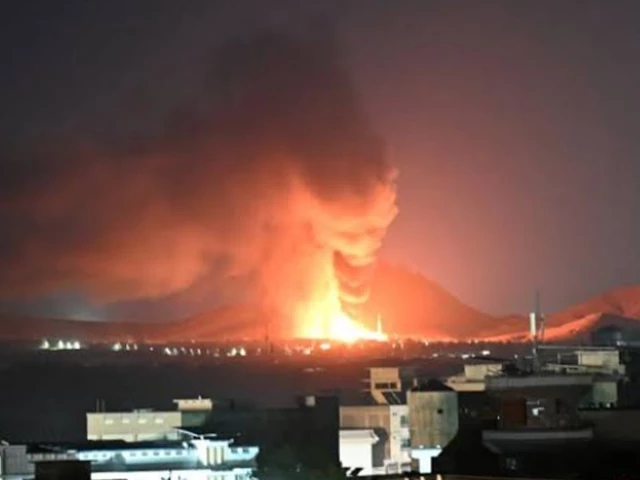
Pakistan-Afghanistan tensions rise as diplomatic efforts face fresh challenges.
Pakistan-Afghanistan tensions have deepened following a series of security incidents and failed diplomatic efforts, raising concerns about the future of relations between Islamabad and the Afghan Taliban authorities.
Pakistan had hoped that a recent diplomatic initiative involving Türkiye and Qatar could help reopen communication with Kabul. However, the effort faced fresh difficulties after a deadly terrorist attack in Kohat and subsequent military exchanges.
Turkish and Qatari officials recently travelled to Kabul to explore possible ways of reducing tensions between the two neighbours. The Turkish intelligence chief also visited Islamabad as part of the regional diplomatic effort.
The initiative suffered a setback after an attack on the Kohat police lines. Pakistani officials said one of the suicide attackers was an Afghan national.
Security Concerns Drive Fresh Escalation
According to Pakistani officials, the attack reinforced Islamabad’s concerns about militant groups operating from Afghan territory.
Pakistan subsequently carried out what officials described as calibrated strikes against militant hideouts inside Afghanistan. The Afghan Taliban authorities reportedly responded with drones directed towards Pakistani territory.
Areeba Ahmer Wins Skating Race at 10th Students Olympic Games 2026
Pakistani officials said security forces neutralised the drones before they caused casualties or significant damage.
Pakistan later conducted another series of strikes against locations it described as drone storage facilities and launch sites. Officials said the targets were spread across around 10 locations in Afghanistan, including one in Kandahar, a key centre of Taliban leadership.
A senior Pakistani official involved in the matter said the Taliban had taken some steps to address Islamabad’s concerns but described those measures as insufficient.
“They may have taken some steps to address Pakistan’s concerns, but those measures are not enough and are cosmetic in nature,” the official said.
Türkiye-Qatar Mediation Faces Challenges
The latest escalation has also complicated efforts by Türkiye and Qatar to facilitate communication between Islamabad and Kabul.
According to a Pakistani source, the Turkish delegation expected to meet Taliban leader Haibatullah Akhundzada during its visit to Afghanistan. However, the Taliban leader instead deputed a member of his staff to meet the delegation.
The development reportedly disappointed the Turkish side and added another complication to the diplomatic initiative.
Pakistani policymakers have expressed doubts about whether the Taliban leadership will take measures that fully address Islamabad’s security concerns.
A senior official said the two sides may face an increasingly difficult relationship if the current trajectory continues.
Growing Pressure on Taliban Authority
Meanwhile, developments inside Afghanistan are adding another dimension to the situation.
Recent clashes in Nuristan have drawn attention to armed opposition groups challenging Taliban authority. Fighters associated with the Afghanistan Freedom Front (AFF) claimed to have captured several Taliban positions in Kamdesh district.
The Taliban authorities rejected that account and said the attack had been repelled. They also alleged that the fighters had crossed from Pakistan, a claim Islamabad rejected.
Pakistani officials said Kabul had not provided evidence to support the allegation.
The dispute comes as relations between Islamabad and Kabul remain under significant strain. Pakistani policymakers believe continued accusations against Pakistan could also affect how anti-Taliban groups view the regional situation.
A Difficult Road Ahead
For years, some anti-Taliban groups reportedly viewed Pakistan’s relationship with Kabul as an important factor in their calculations. The growing dispute between the two sides could alter that perception.
Pakistani officials believe worsening relations could increase pressure on the Taliban authorities in areas where armed opposition groups remain active.
The latest developments have therefore created challenges on both the diplomatic and security fronts. While Türkiye and Qatar have attempted to facilitate communication, the continuing dispute over militant activity, cross-border attacks and allegations between Islamabad and Kabul remains unresolved.
For Pakistan, the immediate focus remains on addressing security threats linked to militants operating from Afghan territory. For the Taliban authorities, the escalating tensions with Islamabad add another challenge as they seek to consolidate control across Afghanistan.
The future of Pakistan-Afghanistan relations will depend largely on whether both sides can address their security concerns through sustained dialogue while preventing further escalation along their shared border.