Pak-Iran Trade Iranian President’s Visit Adds Momentum to $10bn Economic Target, Says Mian Zahid Hussain
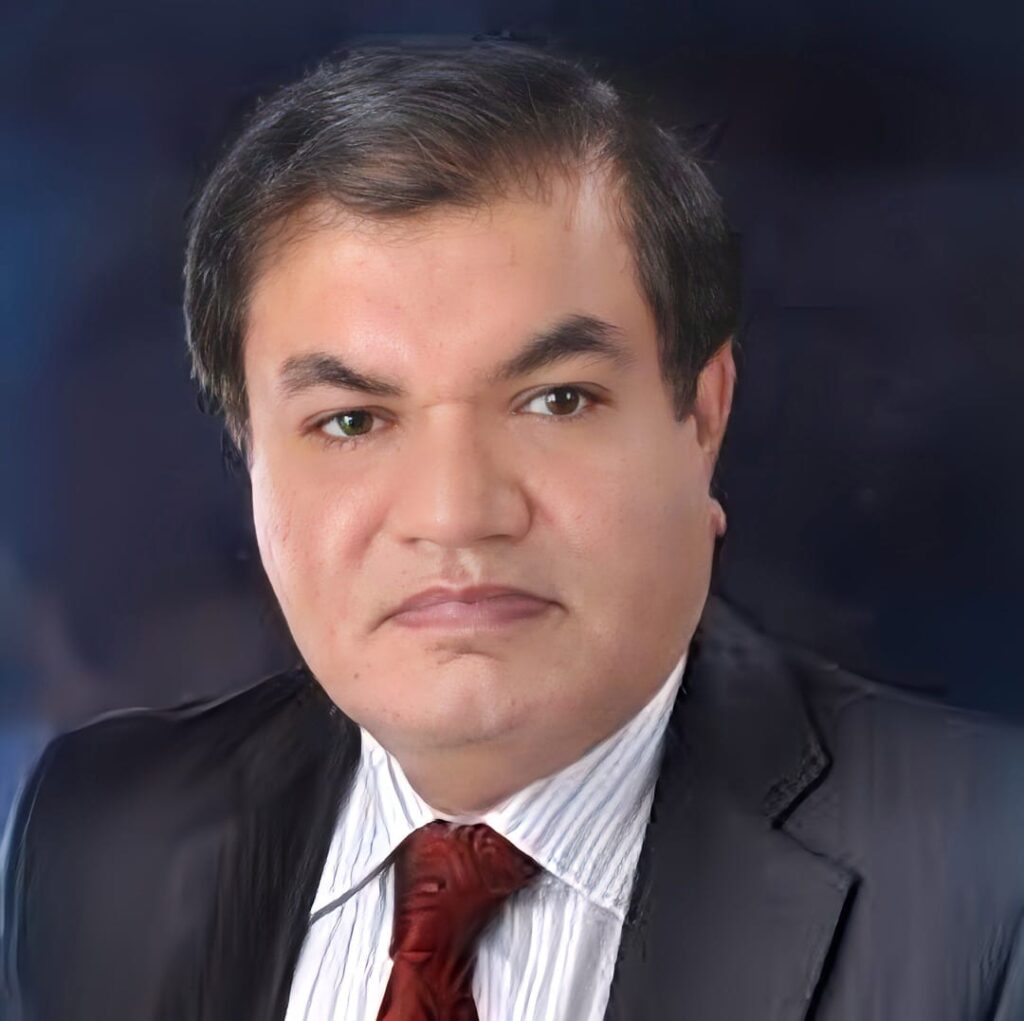
Business leaders call for faster implementation of Pakistan-Iran economic agreements.
Mian Zahid Hussain has described Iranian President Dr Masoud Pezeshkian’s recent visit to Pakistan as a significant step towards strengthening bilateral relations and accelerating economic cooperation between the two neighbouring countries.
Muhammad Saleem Senior PTCL Union Leader Dies in Karachi
The business leader said the visit created fresh momentum for implementing previously agreed economic initiatives and expanding long-term regional cooperation.
Focus on Economic Cooperation
Mian Zahid Hussain, President of Pakistan Businessmen and Intellectuals Forum (PBIF), said Pakistan has pursued a balanced regional approach focused on peace, connectivity and economic engagement.
He stated that Pakistan should now convert its historical, cultural and geographical ties with Iran into practical economic outcomes.
According to him, both countries should expand cooperation in trade, energy, border connectivity and private-sector partnerships.
Push Towards $10 Billion Trade Target
Mian Zahid Hussain noted that during President Pezeshkian’s earlier visit in 2025, Pakistan and Iran exchanged 12 agreements and memorandums of understanding.
Both countries also agreed to raise bilateral trade from approximately $3 billion to $10 billion.
He said the latest diplomatic engagement has reinforced that target and created opportunities to move from commitments to implementation.
He added that both sides should accelerate work in investment, agriculture, information technology, communications and people-to-people engagement.
Need for Practical Trade Reforms
Mian Zahid Hussain said achieving the trade target requires practical reforms rather than political commitments alone.
He called for reducing non-tariff barriers and improving customs coordination.
He also stressed the need for alternative payment mechanisms, easier visa processes and stronger transport logistics.
According to him, resolving operational trade issues will determine whether the economic roadmap succeeds.
Border Trade and Infrastructure
He highlighted the importance of expanding border trade facilities at Gabd-Rimdan, Mand-Pishin and other crossing points.
He said stronger legal trade channels can reduce smuggling, create jobs and support economic growth in border communities.
Mian Zahid Hussain also welcomed the Federal Board of Revenue’s decision to declare Taftan Railway Station a land customs station.
He said the move would improve rail-based import and export operations, reduce costs and speed up customs clearance.
Energy and Regional Connectivity
Mian Zahid Hussain said barter trade remains a practical option while banking and international payment challenges continue.
He suggested expanding trade in rice, meat, agriculture, livestock, food products and industrial raw materials.
He added that Iran could support Pakistan through energy cooperation, petroleum products, border electricity and transit trade.
He also urged policymakers to view Gwadar and Chabahar as complementary regional connectivity projects instead of competing routes.
Call for Institutional Implementation
Mian Zahid Hussain urged the government to establish a permanent implementation mechanism involving ministries, customs authorities, chambers of commerce, banking experts and private-sector representatives.
He said regular monitoring and clear timelines would help convert economic commitments into measurable results.
He added that stronger implementation would allow the benefits of bilateral cooperation to reach businesses, border communities and the wider economy.