Oil Prices Extend Losses for Fourth Day as US Midterm Results Raise Hopes of Iran Deal
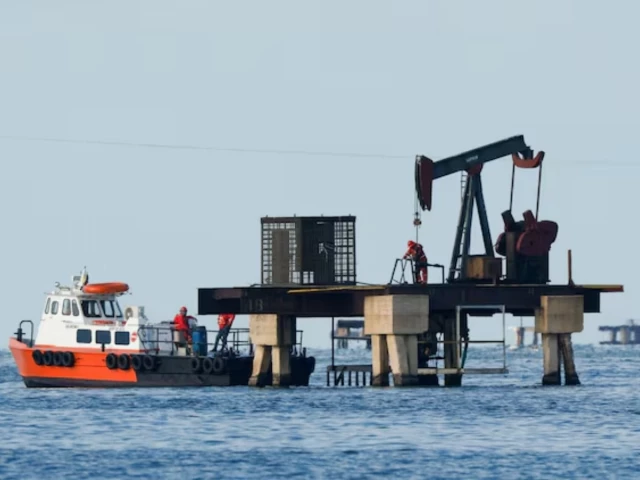
Oil Prices decline for a fourth day as markets assess prospects for reduced tensions between the US and Iran.
Oil prices fell for a fourth consecutive day on Thursday as investors assessed the possibility of reduced military tensions between the United States and Iran.
Brent crude futures declined 80 cents, or 0.85%, to $93.82 a barrel by 0426 GMT. Meanwhile, US West Texas Intermediate (WTI) crude fell $1.20, or 1.36%, to $86.92.
Both benchmarks had plunged more than 8% during the previous session. As a result, they settled at their lowest levels since August 31.
The losses suffered by US President Donald Trump’s Republican Party in this week’s Congressional elections have raised hopes of a diplomatic solution. Investors believe a Democratic-controlled Congress could constrain Trump’s military options and increase pressure on his administration to negotiate.
Two sources close to Gulf government circles said on Wednesday that Trump’s weakened political position could encourage him to seek a deal. They added that a full-scale assault on Iran now appeared less likely.
“Markets are assessing the impact of the midterm elections on Donald Trump’s next steps with the Iran war, pricing in a higher likelihood for the war to end,” said June Goh, senior oil analyst at Sparta Commodities.
FBR Plans Gradual Abolition of Super Tax, Chairman Rashid Langrial Says
However, Goh warned that uncertainty surrounding diplomatic efforts could trigger further market volatility. She also noted that global strategic reserves had fallen sharply.
Strait of Hormuz Shipments Support Oil Supply Recovery
A resolution to the conflict could restore Middle Eastern oil flows disrupted by the war. Moreover, crude shipments through the Strait of Hormuz have recovered to near pre-war levels, according to analysts, although shipping costs remain higher.
The recovery in Gulf supplies has also returned the global oil market to a surplus after months of disruption. JPMorgan highlighted this development in a note issued on Wednesday.
The bank estimated a surplus of 1.1 million barrels per day in September. Furthermore, it expects the surplus to widen to 1.4 million barrels per day in October.
That figure is close to last year’s average surplus of 1.3 million barrels per day.
Political Uncertainty Keeps Iran War Risks in Focus
Despite the recent decline in oil prices, analysts remain cautious about the outlook. The Democratic-controlled Congress will not take office until January, leaving uncertainty over Washington’s immediate policy decisions.
Citi said in a note on Thursday that the White House could focus on its executive powers in foreign policy following the midterm elections. Consequently, the administration could still escalate the conflict with Iran.
Meanwhile, Eurasia Group revised its estimates for possible outcomes. It lowered the probability of renewed US strikes on Iran to 60%, from 65%.
The group also reduced the likelihood of a diplomatic agreement to 10%, from 20%. In contrast, it raised the probability of a prolonged standoff to 30%, compared with its previous estimate of 15%.
Eurasia Group cited Iran’s firm negotiating demands and Trump’s reluctance to accept terms that could appear to represent a defeat.
Low Oil Inventories Could Trigger Another Price Surge
Despite the recent market decline, Eurasia Group warned that further escalation could push Brent crude prices sharply higher. Its forecast suggests prices could reach between $110 and $125 a barrel.
Mukesh Sahdev, chief executive of energy consultancy XAnalysts, said commercial oil inventories in major consuming countries were close to their lowest levels in 15 years. He also suggested that Iran could emerge from the US election outcome with greater resolve.
Separately, the US Energy Information Administration reported on Wednesday that crude oil, gasoline and distillate inventories all declined last week. It also said demand had reached its highest level in a year.
Therefore, the outlook for oil prices remains uncertain. Recovering supplies and hopes of diplomacy have eased market concerns, but low inventories and the risk of renewed military action could quickly reverse the recent decline.