Norway Plans Temporary Ban on AI Glasses in Public Places
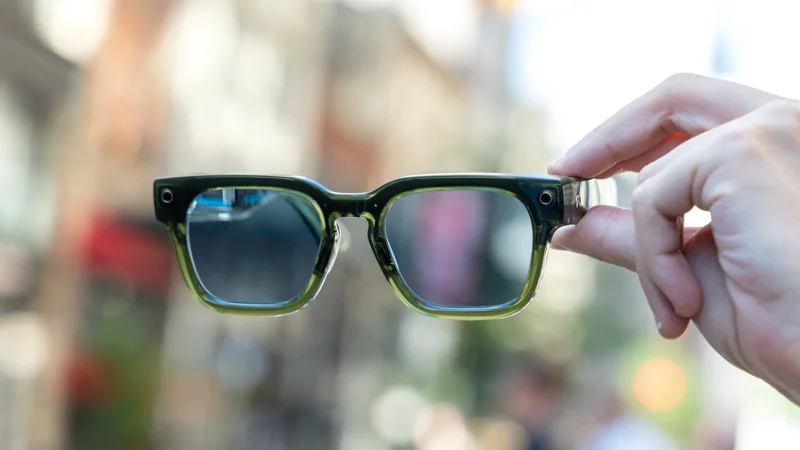
Norway plans temporary restrictions on AI glasses over privacy concerns.
Norway plans to introduce a temporary ban on AI glasses in selected public places over privacy concerns, the government said Monday.
The proposal targets glasses that can capture images, video or audio without other people knowing. Digitalisation and Public Governance Minister Torgeir Micaelsen said the technology raises new privacy concerns.
“I am worried that new, powerful technology is being introduced where people risk being photographed, filmed or audio-recorded without knowing it,” Micaelsen said.
Proposed Restrictions on AI Glasses
The temporary restrictions could cover places where people regularly gather. These may include parks, beaches, museums, shopping centres and public events.
The government is also considering restrictions at schools, playgrounds, childcare facilities and youth clubs. Universities and other educational institutions could also be included.
Elon Musk Sparks Debate Over Replacing AI With Superintelligence
Privacy-sensitive locations may face similar restrictions. These could include doctors’ offices, swimming pools, gyms, changing rooms and shower facilities.
However, Norway is not planning a total ban on AI glasses or other wearable technology.
Private use would remain permitted. People could also use the devices in places where they do not risk recording others without consent.
Norway to Study Wider Wearable Technology
Officials have yet to decide which devices the proposed rules would cover.
The government will consider glasses with cameras and audio recording. It will also examine glasses that combine cameras with AI features.
Other wearable devices with cameras, microphones or AI functions could also come under review.
The government plans to submit the temporary ban to parliament as soon as possible. It also intends to establish an expert group to study wearable technology and recommend permanent national regulations.
The move comes amid wider concerns about privacy and camera-equipped smart glasses. Reuters reported that governments are increasingly examining how wearable AI devices could affect privacy and consent.