Naegleria Prevention Measures Intensified as Karachi Strengthens Water Chlorination
KWSC, Sindh health authorities, WHO and UNICEF expand water testing, chlorination and public awareness to reduce the risk of deadly Naegleria infections.
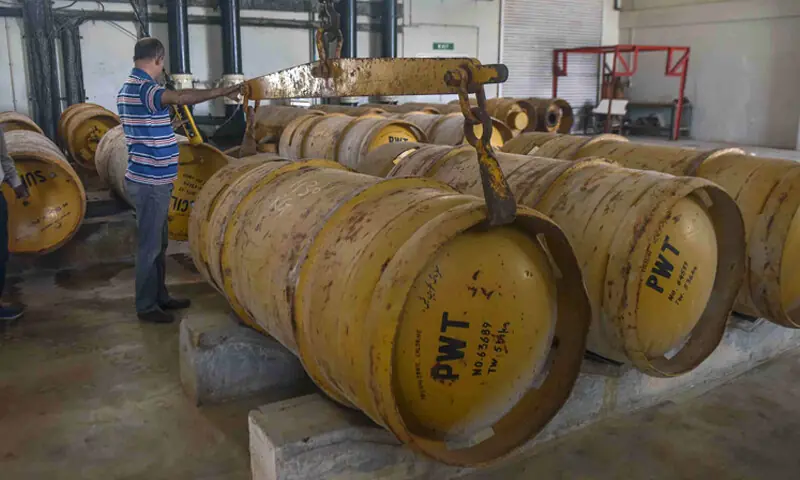
KWSC officials review water chlorination and quality monitoring measures to prevent Naegleria infections in Karachi
KARACHI: The Karachi Water and Sewerage Corporation (KWSC) has stepped up its Naegleria prevention strategy by expanding water chlorination, strengthening quality monitoring and increasing coordination with health authorities to reduce the risk of waterborne infections across the city.
The initiative follows the death of a 44-year-old man earlier this month from Naegleria fowleri, commonly known as the “brain-eating” amoeba. Health officials believe he contracted the infection through contaminated, non-chlorinated tap water, as he had no history of swimming.
KWSC Expands Water Safety Measures
A high-level meeting chaired by KWSC Chief Operating Officer Asadullah reviewed the city’s preparedness and discussed measures to ensure safe drinking water.
Officials from the Sindh Health Department, the World Health Organization (WHO), UNICEF and other agencies attended the meeting.
Participants agreed that KWSC and the provincial health department will jointly collect and analyze water samples from different parts of Karachi to monitor water quality and chlorine levels.
Continuous Chlorination at Filtration Plants
KWSC officials said the utility maintains round-the-clock chlorination at nine filtration plants operating across six major pumping stations, including COD, Hub, NEK Old, NEK-II, Pipri and Gharo.
The corporation uses around 240 chlorine cylinders every month to maintain safe water standards.
Officials said chlorine levels remain at 1.0 parts per million (ppm) before filtration and 2.0 ppm after filtration, in line with WHO recommendations.
World Bank Supports Expansion
The meeting was informed that, with World Bank assistance, Karachi has already established 16 chlorination points.
Authorities plan to add 29 more facilities during the second phase of the project.
The expansion aims to improve water disinfection and ensure chlorinated water reaches distant neighborhoods and tail-end areas of the city’s distribution network.
China Holds Houthi Talks to Secure Safe Passage for Oil Tankers in the Red Sea
Water Tankers and Laboratory Testing
Hydrants Cell In-charge Ayaz Hussain Tanio said every government-operated water tanker now receives one chlorine tablet for every 1,000 gallons of water before distribution.
Chief Chemist Kashan Ahmed told participants that laboratory teams test water samples daily from different parts of Karachi to monitor chlorine levels and overall water quality.
Joint Monitoring and Public Awareness
Health Services Director Dr. Saqib Ali Shaikh said the health department and KWSC will continue joint water sampling and laboratory analysis throughout the city.
He added that WHO and UNICEF have been requested to provide chlorine tablets and other protective supplies to support prevention efforts.
The agencies also confirmed they will supply sodium hypochlorite, chlorine tablets, banners and awareness materials for the upcoming public information campaign.
Officials said deputy commissioners and religious scholars will also help educate residents about preventive measures.
Residents Advised to Take Precautions
Addressing the meeting, the KWSC chief operating officer said the utility is using all available resources to supply drinking water that meets WHO standards.
He directed officials to maintain strict oversight of chlorination, laboratory testing and public awareness activities.
He also urged residents to clean underground and overhead water storage tanks every six months and use one chlorine tablet for every 1,000 gallons of stored water.
Officials further advised citizens to use chlorinated or boiled water for ablution, bathing and nasal cleansing, avoid swimming in unchlorinated pools or stagnant water, and obtain water only from KWSC-approved tankers to reduce the risk of Naegleria infection.