Monsoon Deaths: KP Rain Toll Rises to 18 as Floods and Landslides Disrupt South Waziristan
Four members of the same family died in a roof collapse as heavy rain battered Khyber Pakhtunkhwa, while landslides blocked a key trade route and authorities remained on high alert.
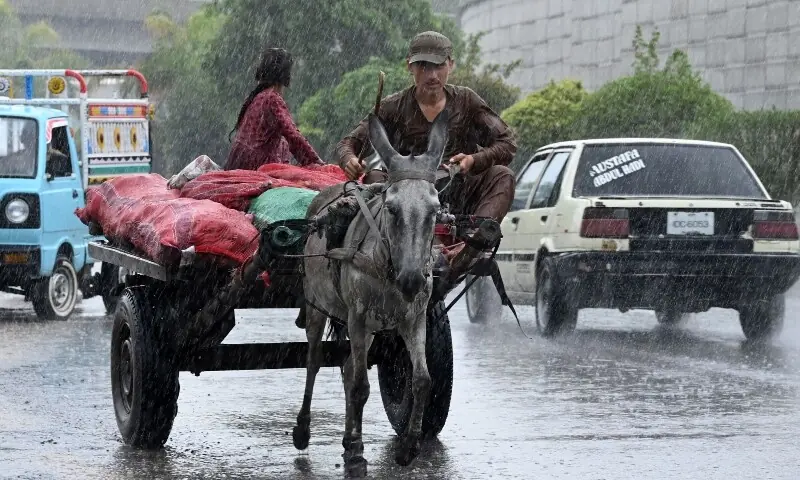
Heavy rainfall damages homes and blocks roads in South Waziristan.
Khyber Pakhtunkhwa’s monsoon deaths climbed to 18 after fresh rain-related incidents claimed four lives in Upper South Waziristan, while heavy rainfall triggered flash floods, damaged infrastructure and blocked a major road linking remote districts.
The Pakistan Meteorological Department said the current spell of monsoon rain, which began on July 19, is expected to continue across the province until July 23, increasing the risk of further flooding and landslides.
The latest fatalities occurred in Bangiwala village on the outskirts of Sararogha tehsil, where a house roof collapsed during intense rainfall. Additional Deputy Commissioner Fazal Wadood said the victims were members of the same family, including a husband, wife and their two children.
Earlier, the Provincial Disaster Management Authority (PDMA) reported that 14 people had died and 19 others had suffered injuries in rain-related incidents across the province since July 19. The latest deaths in South Waziristan increased the overall toll to 18.
Iran War: US Military Costs Rise to $37.5 Billion as Pentagon Seeks More Funding
According to the PDMA, heavy rain partially damaged 22 houses and completely destroyed six others. The authority said water levels in rivers and streams remained within normal limits but instructed district administrations to stay on alert as the monsoon system continued. Residents can contact the emergency helpline 1700 for weather updates or assistance during emergencies.
Heavy rainfall also disrupted daily life in Lower South Waziristan, where landslides blocked the strategically important Wana-Gomal Zam Road, a key trade and transport route. Flash floods damaged agricultural land in several areas, adding to the challenges faced by local communities.
District officials confirmed the road closure, while residents reported that massive rocks had fallen onto the highway at multiple locations. They also said deep potholes, damaged culverts, weakened bridges and broken protection walls had made travel dangerous for motorists.
Local residents urged authorities to clear the road immediately and restore traffic. Ahmadzai Wazir tribal elders also appealed to Prime Minister Shehbaz Sharif and federal authorities to launch urgent reconstruction work, saying the road had remained in poor condition for years and frequently became impassable even after moderate rainfall.
District officials also reported high water flows in the Tanai and Spin streams following the latest downpours, raising concerns over additional flash flooding.
Meanwhile, Planning, Development and Special Initiatives Minister Ahsan Iqbal chaired the third meeting of the Emergency Response Committee at the National Emergencies Operations Centre (NEOC) to review Pakistan’s preparedness for the ongoing monsoon season.
The meeting examined provincial readiness, emergency relief supplies and drainage systems. Officials from the National Disaster Management Authority and relevant federal ministries also attended.
Iqbal said the NEOC was monitoring weather conditions around the clock and directed all concerned departments, including the Water and Power Development Authority, to maintain maximum preparedness. He said protecting lives, securing vulnerable communities and ensuring rapid emergency response remained the government’s highest priorities.