ISSI and IoBM Launch Ambassador G. R. Baluch’s Book on Global Politics and Strategic Affairs
Web Desk May 13, 2026Karachi: Institute of Strategic Studies Islamabad in collaboration with Institute of Business Management hosted the launch ceremony of The Third Dimension Policy Prism, a new book authored by Ambassador G. R. Baluch, focusing on global politics, diplomacy, and contemporary strategic challenges.

Karachi: Institute of Strategic Studies Islamabad in collaboration with Institute of Business Management hosted the launch ceremony of The Third Dimension Policy Prism, a new book authored by Ambassador G. R. Baluch, focusing on global politics, diplomacy, and contemporary strategic challenges.
BingX Appoints World Cup Winner Enzo Fernández as Global Ambassador Ahead of FIFA 2026
The event brought together diplomats, academics, scholars, media professionals, and policy experts to discuss the book’s multidimensional analysis of international relations and foreign policy.
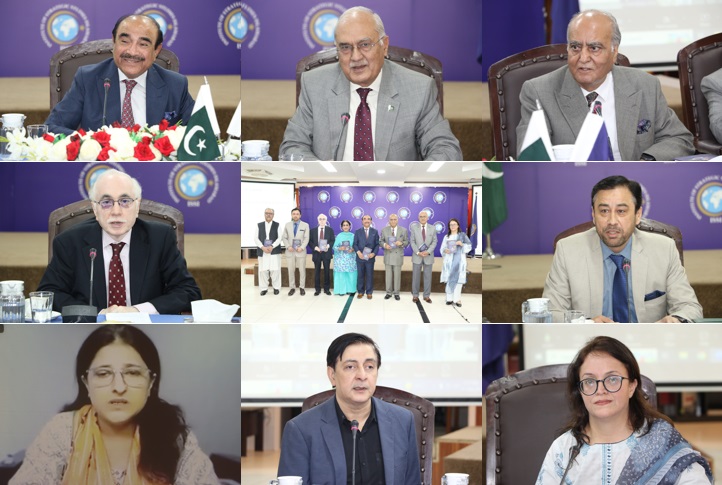
Among the key discussants were General Khalid Naeem Lodhi, Ambassador Masood Khalid, Dr. Munawar Hussain, Dr. Shazia Khalid Cheema, and columnist and anchor Farukh Pitafi.
In her opening remarks, Dr. Neelum Nigar thanked Ambassador Baluch for choosing ISSI as the venue for the launch and acknowledged his contribution to strategic and foreign policy discourse.
ISSI Chairman Ambassador Khalid Mahmood described the book as a timely scholarly work that examines modern global politics through a broader lens shaped by geopolitics, economics, technology, climate change, information flows, and the increasing role of non-state actors.
Speaking about his book, Ambassador Baluch said the contemporary world is witnessing a “battle of narratives,” where influence is increasingly determined through ideas, discourse, and the ability to shape global perceptions. He described the publication as more of a conversation aimed at encouraging critical reflection on international affairs and diplomacy.
The panelists collectively praised the book for offering a multidimensional perspective on strategic thought and foreign policy.
General Khalid Naeem Lodhi highlighted the book’s concept of the “third dimension” in international relations, noting that it incorporates ethics and humanity alongside traditional national interests. He said the book examines key issues including South Asia, the Middle East, divisions within the Muslim world, the Gaza crisis, and the growing impact of technology on diplomacy and strategic competition.
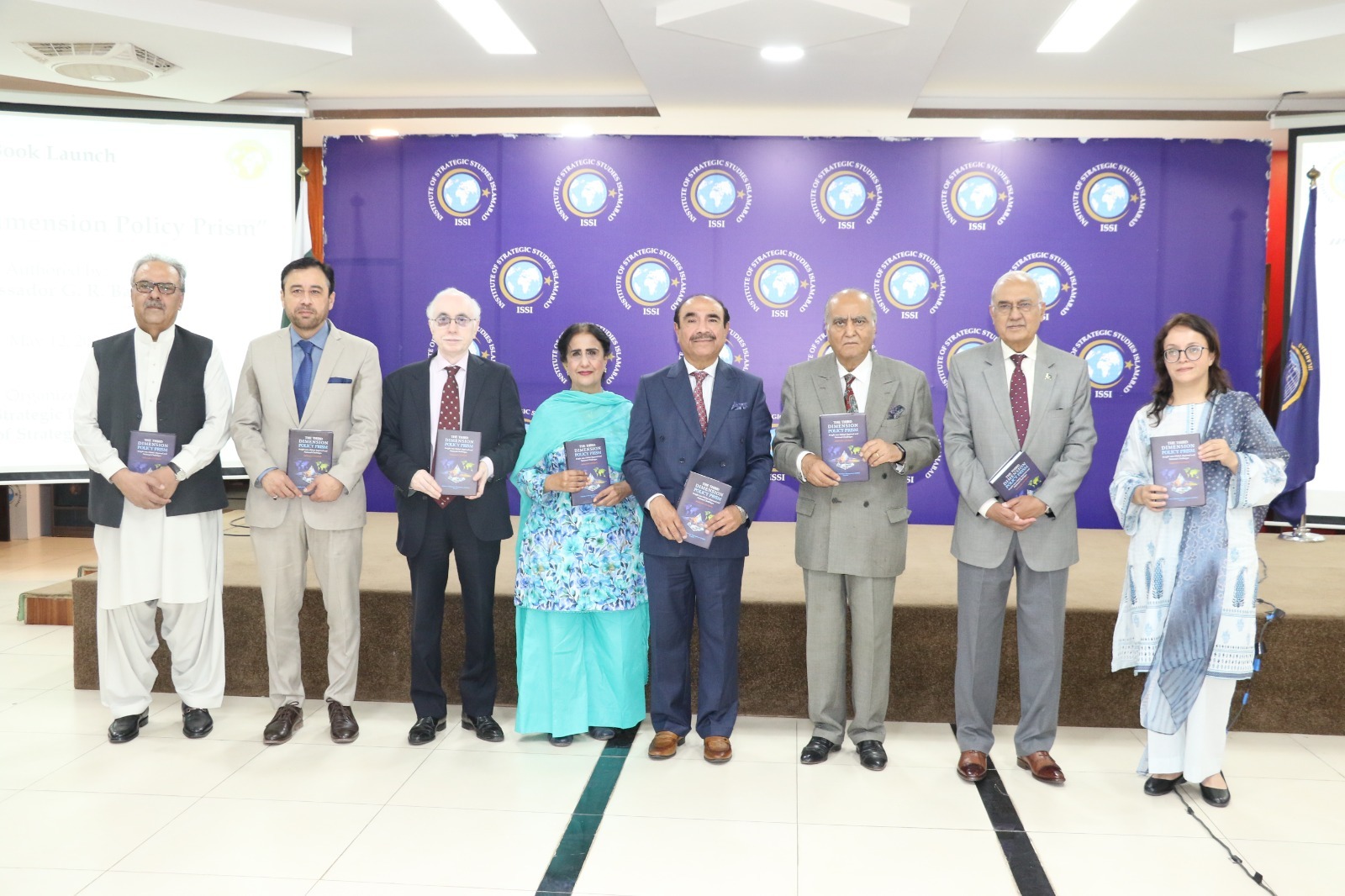
Ambassador Masood Khalid said the work provides an accessible yet comprehensive analysis of Pakistan’s foreign policy challenges and international developments, including India’s posture during Operation Sindoor and the humanitarian implications of the Gaza conflict.
Dr. Munawar Hussain noted that the book goes beyond power politics by exploring ethical and ideological dimensions shaping global society, while emphasizing the growing importance of multilateralism in international relations.
Dr. Shazia Khalid Cheema praised the book’s exploration of symbolic, cultural, and psychological aspects of politics, arguing that geopolitics today is increasingly a battle over narratives and perceptions.
Farukh Pitafi described the publication as intellectually engaging and relevant for both diplomats and academics, highlighting its discussions on education, artificial intelligence, and the future of global learning environments.
Participants at the event described the launch as an important contribution to policy dialogue and strategic scholarship in Pakistan amid rapidly changing global political dynamics.