Islamabad Set to Host Second Round of US-Iran Talks Amid Rising Tensions
Web Desk April 19, 2026ISLAMABAD – Pakistan’s capital is poised to host a second round of high-stakes negotiations between the United States and Iran, as US President Donald Trump confirmed that American representatives were en route for talks expected to begin Monday evening.
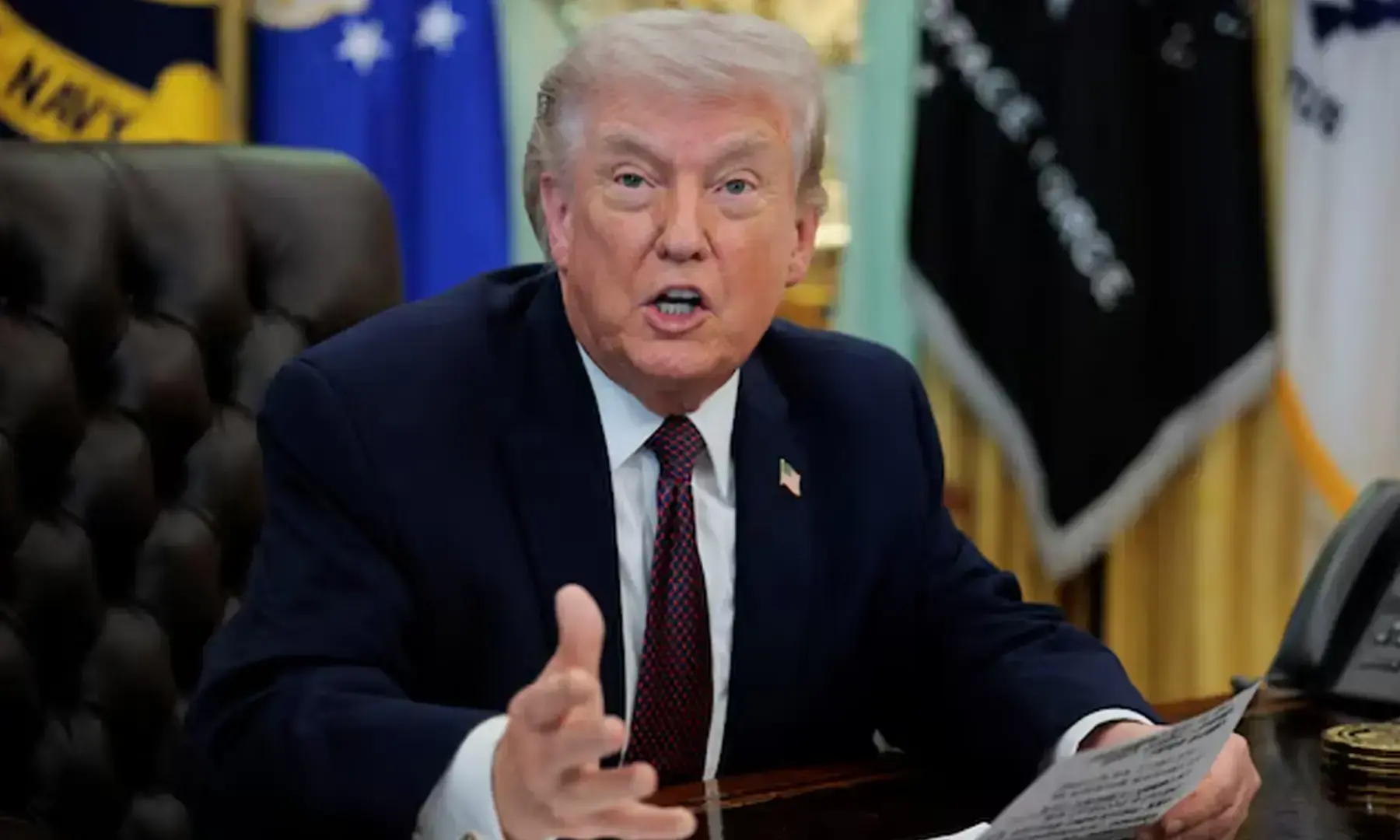
ISLAMABAD – Pakistan’s capital is poised to host a second round of high-stakes negotiations between the United States and Iran, as US President Donald Trump confirmed that American representatives were en route for talks expected to begin Monday evening.
Hamdard Pakistan Partners with Karachi Kings as Official Wellness and Food Partner in PSL Season
In a post on Truth Social, Trump described Washington’s offer to Tehran as “very fair and reasonable” but coupled it with a stark warning, threatening severe military action if Iran rejects the proposal. The remarks underline the fragile nature of ongoing diplomacy despite renewed engagement efforts.
According to US media reports, Vice President JD Vance will lead the American delegation, accompanied by senior envoy Steve Kushner and presidential adviser Jared Kushner.
The upcoming talks follow an initial round held in Islamabad on April 11–12, which concluded without a breakthrough but avoided collapse. The negotiations are taking place under a Pakistan-brokered ceasefire set to expire on April 22, temporarily halting hostilities that erupted after US-Israeli strikes on Iran on February 28.
Pakistan has intensified diplomatic efforts to sustain dialogue between the two sides, with both civil and military leadership playing an active mediation role. Deputy Prime Minister and Foreign Minister Ishaq Dar has also engaged with Iranian counterpart Abbas Araghchi to emphasize continued dialogue for regional stability.
Despite progress on the diplomatic front, tensions have escalated in the Strait of Hormuz, a critical global energy route. Iran has once again closed the strait, citing the ongoing US naval blockade of its ports, while Washington has accused Tehran of violating the ceasefire by targeting vessels in the region.
The closure has disrupted global shipping, leaving hundreds of vessels stranded and pushing up oil prices, further complicating negotiations. Freedom of navigation through the strait remains one of the central sticking points, alongside US demands for long-term restrictions on Iran’s nuclear programme.
Iran’s Supreme National Security Council confirmed it is reviewing fresh US proposals delivered via Pakistani mediation, reportedly facilitated by Field Marshal Asim Munir. However, Iranian officials have reiterated that no compromise will be made on core national interests.
Meanwhile, Iran’s parliamentary speaker Mohammad Bagher Ghalibaf acknowledged that while some progress has been made, significant gaps remain between the two sides.
With the ceasefire deadline approaching, the Islamabad talks are being seen as a critical opportunity to prevent a resumption of conflict and stabilize a region already under significant geopolitical strain.