Indus Treaty Pakistan Reaffirms Commitment to Protect Water Rights
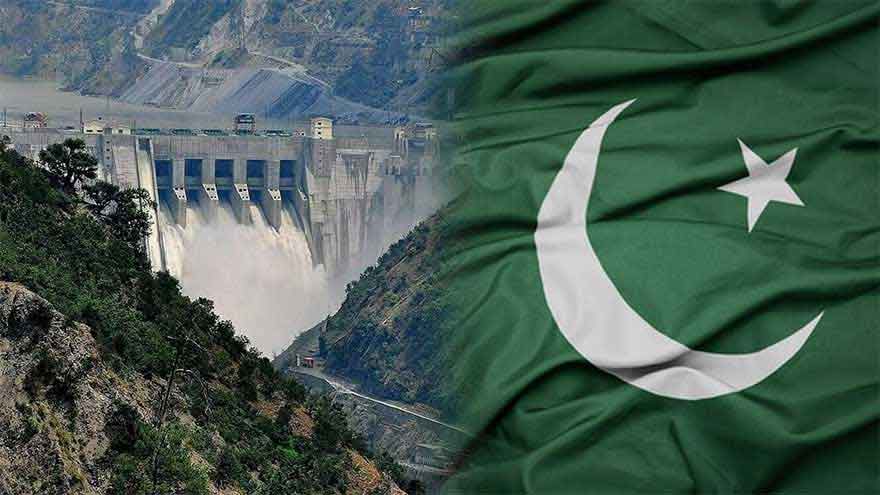
Pakistani leaders and international experts discuss water rights during the Islamabad seminar.
Indus Treaty remained at the centre of Pakistan’s message on Tuesday as government leaders reaffirmed their commitment to protect national water rights and preserve the agreement.
President Zardari Signs Ordinance to Amend Energy Regulator Law
The government presented its position during an international seminar in Islamabad titled “Indus Waters Treaty: A Key Instrument of Peace and Regional Stability.” Ministers, legal experts and international delegates attended the event.
Water Security and National Identity
Information Minister Attaullah Tarar said the treaty is more than a water-sharing arrangement. Instead, he described it as a lifeline for Pakistan’s 240 million people.
He said water security remains essential because agriculture supports the national economy. Moreover, he noted that the Indus River continues to sustain livelihoods across the country.
Tarar also linked the river to Pakistan’s historical identity. According to him, the Indus Valley Civilisation reflects the roots of the nation and its people.
Pakistan Calls for Continued Implementation
Tarar said Pakistan supports peaceful relations and constructive dialogue. At the same time, he stressed that the country expects continued implementation of the agreement.
He criticised India’s suspension of the treaty. However, he added that Pakistan remains committed to protecting the agreement through diplomatic channels.
Furthermore, he warned that using water as a political tool could threaten regional stability and weaken international trust.
Treaty Mechanism and Legal Position
Indus Waters Commissioner Syed Mehr Ali Shah said the agreement protects agriculture, food security and economic activity.
He explained that the treaty includes a dispute resolution process. If bilateral talks fail, parties may seek neutral experts or international arbitration.
In addition, Shah said international rulings have supported the position that neither side can suspend the treaty unilaterally.
He also confirmed that Pakistan requested hydrological data from India again to support water management.
Concerns Over Water Control
Climate Change Minister Dr Musadik Malik said water control, rather than water scarcity, remains Pakistan’s main concern.
According to Malik, irregular water flows affect farming communities and create wider economic pressure.
He argued that controlling river flows should not become a strategic tool. Therefore, he called for fair implementation of international agreements.
International and Regional Perspectives
Khurram Dastgir Khan said Pakistan will continue protecting its allocated share of water.
Meanwhile, international law expert Ahmer Bilal Soofi argued that suspending the treaty conflicts with international legal principles.
Russian international affairs expert Dr Roxolana Zygon also expressed concern over growing tensions linked to shared water resources.
Pakistan’s Position Going Forward
Pakistan reiterated that it will continue defending its water rights under the treaty.
At the same time, officials said the country will pursue legal, diplomatic and international engagement to maintain regional peace and water cooperation.