Global Peace Index 2026 Reveals World’s Safest Countries Amid Rising Conflicts
Web Desk June 10, 2026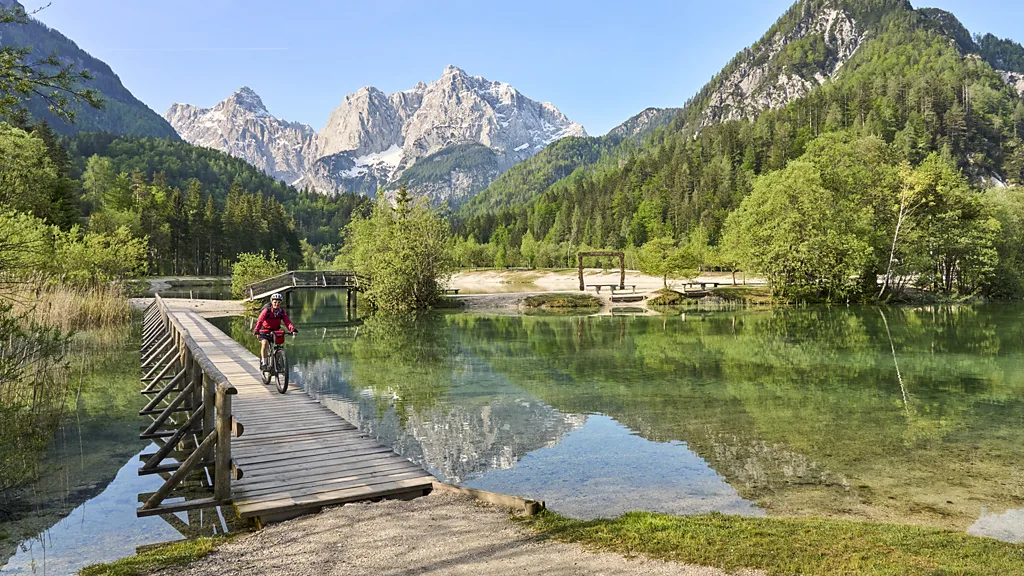
The top five safest countries ranked in the Global Peace Index 2026.
The Global Peace Index 2026 paints a striking picture of today’s world. While international conflicts have reached their highest level since World War II, a handful of nations continue to maintain remarkable stability and security.
According to the latest rankings from the Institute for Economics and Peace, global peacefulness declined for the 12th consecutive year. However, the countries leading the Global Peace Index have largely preserved their strong records through social trust, effective institutions, and low levels of violence.
Global Peace Index Highlights Top Rankings
The 2026 rankings place Iceland at the top for the 19th consecutive year. New Zealand secured second place, followed by Switzerland, Slovenia, and Ireland.
The index evaluates 163 countries using 23 indicators. These include military spending, ongoing conflicts, homicide rates, public safety perceptions, and political stability.
The top 10 countries in the 2026 rankings are:
- Iceland
- New Zealand
- Switzerland
- Slovenia
- Ireland
- Austria
- Portugal
- Singapore
- Finland
- Japan
As global tensions continue to rise, these nations stand out for maintaining peaceful environments and strong community trust.
Iceland Leads Global Peace Index Again
Iceland remains the world’s safest country. The nation improved its score by 2% in 2026, supported by a reduction in violent demonstrations and continued low militarization.
Oddný Arnarsdóttir, head of Visit Iceland, stated that peace is deeply connected to the country’s close-knit communities and commitment to equality. Residents also benefit from strong public services and widespread renewable energy use.
Moreover, Iceland’s remote location helps reduce exposure to geopolitical tensions. Residents point to clean air, abundant freshwater resources, and vast natural landscapes as important contributors to their quality of life.
Visitors often experience Iceland’s peaceful atmosphere through geothermal bathing traditions, outdoor activities, and cultural attractions spread across the country.
New Zealand Maintains Strong Safety Reputation
New Zealand climbed to second place after ranking third in 2025. The country remains the safest nation in the Asia-Pacific region and recorded improvements due to reduced weapons imports.
Warwick Woodley, founder of NZ Golden Visa, reportedly said that New Zealand’s geographic isolation has helped shield it from many global conflicts. However, he also emphasized the role of local culture.
Residents commonly describe daily life as relaxed and community-focused. Strict firearm regulations and strong neighborhood connections continue to support public safety.
In addition, easy access to beaches, mountains, and nature reserves contributes to a balanced lifestyle that many citizens value.
Switzerland Combines Trust And Stability
Switzerland moved from fifth to third place in the latest rankings. Its longstanding military neutrality and low crime rates remain central to its success.
Cornelia Choe, an executive coach living in Geneva, stated that public trust plays a significant role in everyday life. She shared examples of lost personal belongings being returned by strangers, reinforcing confidence in social responsibility.
Furthermore, Switzerland’s culture of compromise helps maintain stability across its diverse linguistic and regional communities. Many residents view peaceful coexistence as a shared responsibility rather than simply a government objective.
Slovenia Enters Top Five Safest Countries
Slovenia reached the top five for the first time. Low military expenditure and strong security indicators helped drive its rise in the rankings.
Jerneja Zver, who manages operations in Eastern Europe for Intrepid Travel, said Slovenians place great importance on community and outdoor living. Activities such as hiking, cycling, and family gatherings remain central to daily life.
Additionally, the country promotes work-life balance, allowing residents more time to build meaningful social connections. These factors contribute to a strong sense of belonging and security.
Tourists are increasingly drawn to Slovenia’s natural beauty, hospitality, and outdoor experiences.
Ireland Strengthens Peace Through Neutrality
Ireland secured fifth place thanks to low levels of violence and limited involvement in international conflicts.
Didi Ronan, founder of Native in West Cork, explained that Ireland’s history has shaped a culture focused on hospitality and inclusiveness. She stated that welcoming visitors remains an important national value.
Ireland’s long-standing policy of military neutrality also supports its peaceful international position. As a result, many residents see the country as a stable and reassuring place during periods of global uncertainty.
Meanwhile, visitors often discover Ireland’s peaceful character through coastal landscapes, woodland trails, and historic landmarks.
Global Peace Index Reflects Growing Global Challenges
The latest Global Peace Index arrives at a time when international conflicts continue to expand. Overall peacefulness declined in 99 countries during the past year, highlighting the growing challenges facing governments worldwide.
Nevertheless, the experiences of Iceland, New Zealand, Switzerland, Slovenia, and Ireland demonstrate that strong institutions, social trust, and community engagement can help sustain stability even during uncertain times.
Their continued success offers valuable insights into how societies can foster peace while navigating an increasingly complex global landscape.