Ebola Outbreak: DR Congo Expands Ban on Mass Gatherings Amid Rising Cases
Authorities extend restrictions to Kinshasa and neighbouring provinces as concerns grow over the spread of Ebola and opposition parties challenge the move.
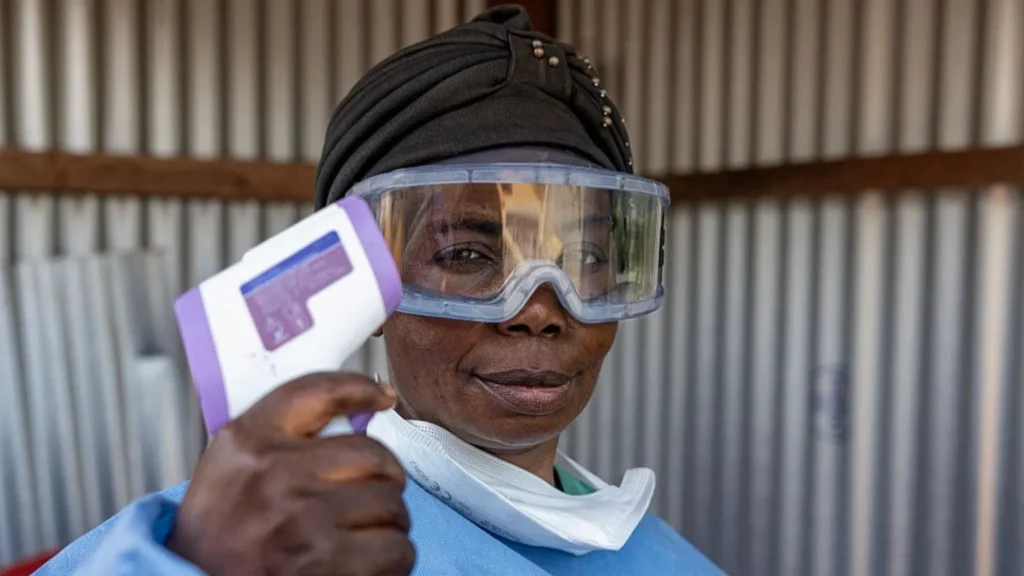
Authorities enforce gathering restrictions as DR Congo responds to the growing Ebola outbreak.
Kinshasa, 30 June 2026 — The Ebola Outbreak in the Democratic Republic of Congo has prompted authorities to ban mass gatherings in the capital, Kinshasa, and three additional provinces as officials attempt to prevent the disease from spreading beyond affected areas in the country’s east.
The restriction also applies to Tshopo, Haut-Uele and Bas-Uele provinces, which border regions where Ebola cases have already been confirmed. Although no infections have been officially recorded in Kinshasa, authorities said preventive measures were necessary to protect the city’s population of around 18 million people.
The move has triggered criticism from opposition groups, which argue that the restrictions coincide with political tensions ahead of a protest planned for 8 July.
Prince Epenge, spokesperson for the Lamuka opposition coalition, described the government’s decision as politically motivated and questioned the need for restrictions in areas where no confirmed Ebola cases exist.
Germany Shooting: Six Killed at Youth Welfare Centre in Stade
Rodrigue Ramazani, secretary-general of the opposition party Envol, also criticised the directive and urged supporters to continue participating in the planned demonstration.
The government has not publicly responded to the allegations.
The protest has been organised by the C64 coalition, which opposes a proposed law that critics claim could allow President Felix Tshisekedi to remain in office beyond the constitutional limit of two terms.
Health concerns intensified after a doctor who later tested positive for Ebola in France travelled through Kinshasa while returning from an Ebola treatment centre located in one of the outbreak zones.
Following confirmation of the case, authorities introduced a mandatory 21-day quarantine period for travellers moving from affected areas to other regions of the country.
According to the health ministry, confirmed Ebola infections remain concentrated in Ituri, North Kivu and South Kivu provinces, with Ituri accounting for more than 90% of reported cases.
Interior Minister Jacquemain Shabani announced the latest restrictions after confirmed infections rose sharply, bringing the total number of recorded cases to 1,274 and the number of deaths to 360.
US-Iran Talks: Trump announces Doha meeting on Tuesday, Tehran denies agreement
Neighbouring Uganda has also reported Ebola infections, with health authorities confirming cases and fatalities linked to the outbreak.
The World Health Organization has warned that ongoing conflict in eastern DR Congo is complicating efforts to contain the virus, particularly in areas controlled by armed groups.
Health officials said the current outbreak involves the Bundibugyo strain of Ebola, for which no approved vaccine currently exists. However, Africa Centres for Disease Control and Prevention officials indicated that clinical trials of new antiviral treatments could begin soon.