Narendra Modi Govt Cracks Down on CJP Satire Account India
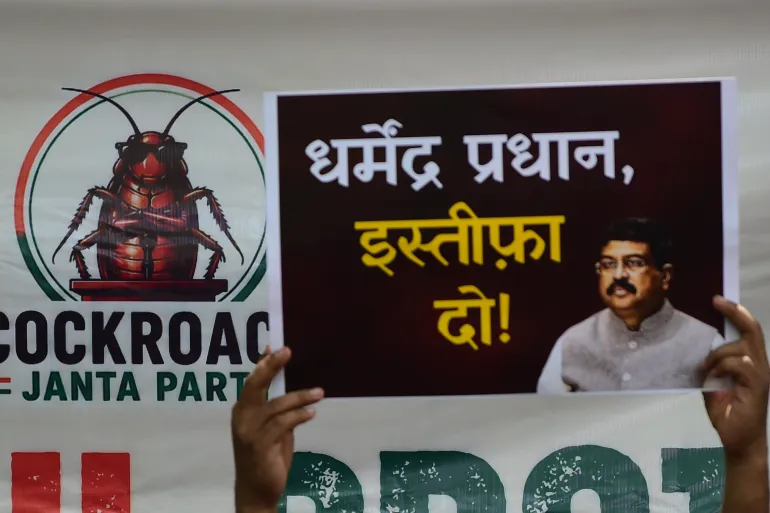
A symbolic illustration of digital satire and youth activism under scrutiny.
The CJP satire movement reportedly emerged as an online parody account that quickly gained traction among Gen Z users in India. It spread across platforms and triggered wider discussions about youth expression and political satire.
According to reports, the controversy escalated after authorities and institutions reacted strongly to the content. As a result, the CJP account and related pages faced restrictions, raising questions about digital speech and governance.
CJP Satire Account Controversy
The CJP movement began as a satirical online identity that rapidly attracted attention on social media platforms. It reportedly gained millions of followers across Instagram and X, formerly Twitter.
According to the source narrative, the account used humor and parody to reflect youth frustration. However, the content quickly became a focal point of national debate.
The group’s rise also drew international media coverage from outlets such as BBC, CNN, The Guardian, and France 24. This attention amplified discussions around digital freedom and satire culture.
Narendra Modi Government Response
The situation involving CJP reportedly led to a strong response from authorities. The administration of Narendra Modi was described as treating the matter as a broader security concern.
Officials allegedly framed the movement as sensitive to national stability, leading to multi-platform restrictions. The account’s visibility reportedly declined after coordinated actions across platforms.
In addition, statements attributed to government representatives suggested concerns about foreign influence and online misinformation. However, critics argued that the response reflected increasing pressure on digital expression.
Cockroach Janta Party Online Growth
The CJP identity gained momentum after a controversial public comparison made by a judicial figure. According to reports, the satire resonated with unemployed youth and online activists.
The term “Cockroach Janta Party” spread rapidly as users adopted it humorously. This organic growth transformed the parody into a broader social commentary movement.
Meanwhile, discussions intensified around youth unemployment, exam leaks, and education system stress. The narrative around CJP became tied to wider frustrations expressed online.
Media Freedom and CJP Debate
The CJP controversy also sparked global debate on press and digital freedom. The source narrative suggests that online creators and journalists faced backlash after engaging with the topic.
A journalist in Norway reportedly questioned Narendra Modi during an international visit, which further intensified discussion. The interaction gained attention across media circles.
Supporters of free speech argued that satire should remain protected in democratic spaces. However, critics of the movement viewed it as politically sensitive and potentially disruptive.
The debate extended to broader concerns about India’s digital ecosystem and its regulation of satire and dissent.