CIA Raises Doubts Over Iran US Deal Implementation Amid Intelligence Concerns
Web Desk June 16, 2026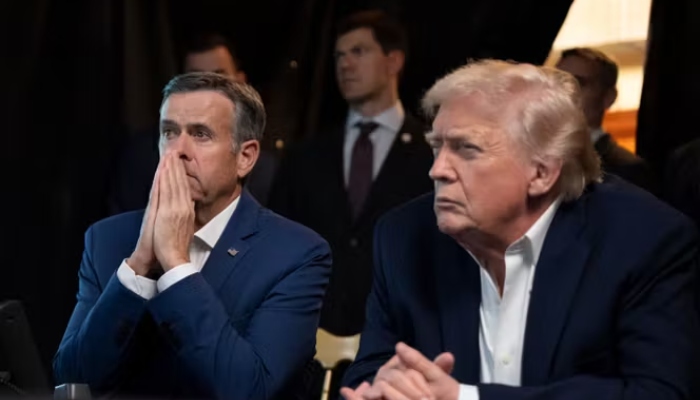
The CIA doubts over the Iran US deal have reportedly emerged after concerns were raised about Iran’s willingness to fully comply with a proposed nuclear agreement. According to international media reports, intelligence assessments suggest inconsistencies in Iran’s negotiating position.
Moreover, the issue has sparked debate within US leadership circles regarding the reliability of the proposed framework. As a result, divisions have surfaced between intelligence officials and political supporters of the agreement.
CIA Doubts Intelligence Assessment Concerns
CIA Director John Ratcliffe reportedly briefed US President Donald Trump and senior officials, expressing serious concerns under the CIA doubts framework about Iran’s commitment to the deal.
Furthermore, reports suggest that US intelligence findings indicate a gap between Iran’s internal discussions and its public negotiating position. Consequently, officials fear that Iran’s intentions may not fully align with agreement terms.
CIA Doubts Marco Rubio Opposition
US Secretary of State Marco Rubio reportedly expressed reservations regarding the CIA doubts surrounding the Iran US deal.
In addition, Defense Secretary Pete Hegseth also raised concerns, while other officials such as JD Vance and Jared Kushner reportedly supported the agreement. Therefore, the White House appears divided over the proposed framework.
CIA Doubts Nuclear Agreement Risks
The CIA doubts also focus on Iran’s nuclear program commitments, particularly restrictions on enriched uranium and weapon development. Officials reportedly believe Iran may not fully adhere to proposed limitations.
Moreover, US officials stated that Iran must demonstrate compliance within weeks to continue negotiations. Otherwise, the diplomatic process could be suspended. As a result, pressure is increasing on both sides to clarify commitments.
CIA Doubts Strait Of Hormuz Clause
The CIA doubts report also coincides with discussions about reopening the Strait of Hormuz under the proposed agreement. The plan reportedly includes phased restoration of maritime traffic and lifting of restrictions.
Furthermore, the agreement may involve international coordination with Gulf states and Oman regarding maritime management. Consequently, the issue remains central to global energy and trade stability discussions.