Cancer Therapy–Related Cardiovascular Toxicities Protecting the Heart During Cancer Treatment

Dr Asadullah Khan Soomro highlights the importance of protecting cardiovascular health during cancer treatment.
By Dr Asadullah Khan Soomro
Consultant Cardiologist and Heart Failure Specialist
Altamash General Hospital, Clifton, Karachi
Malignancy Begets Malignancy
Two medical worlds can collide: cancer and cardiovascular disease.
October is observed worldwide as Breast Cancer Awareness Month. The campaign highlights the importance of early detection, timely treatment and continued support for patients and survivors.
Breast cancer remains the most frequently diagnosed cancer among women worldwide and in Pakistan. According to the figures cited in this awareness article, IARC’s GLOBOCAN estimates indicate approximately 43,721 new breast cancer cases and 20,039 deaths in Pakistan in 2024. These figures underline the need for accessible screening, diagnosis and treatment.
As an adult cardiologist, I have experience caring for patients with cancer-related cardiovascular complications through the multidisciplinary heart failure programme at King Abdullah Medical City in Holy Makkah, Saudi Arabia. I want to raise awareness among patients, survivors, families, healthcare professionals and policymakers about the cardiovascular risks associated with cancer treatment.
CAP Calls for Sindh-Wide Safety Survey of Apartment Buildings Using Shared LPG Systems
Cancer survival represents a major medical achievement. Protecting the survivor’s heart must form part of that achievement.
Modern cancer therapies have improved treatment outcomes and helped many patients live longer. However, some treatments can damage the heart and blood vessels. These complications may develop during treatment or emerge years later. The risk depends on the specific therapy, cumulative exposure and the patient’s underlying cardiovascular health.
Heart Failure Risk Begins Before Symptoms
Patients receiving potentially cardiotoxic cancer treatment may face Stage A heart failure risk, even when their heart structure and function remain normal.
Stage B, also known as pre-heart failure, describes patients who have no current symptoms but show evidence of structural heart disease, impaired cardiac function or relevant myocardial injury.
Stage C involves current or previous symptoms of heart failure. Stage D represents advanced disease, with severe symptoms despite appropriate treatment.
The opportunity to protect the heart begins at Stage A, not after a patient’s first hospital admission.
Early assessment allows healthcare teams to identify risks, monitor changes and intervene when necessary. This approach can help reduce the likelihood of serious complications and support better long-term outcomes.
Cardiovascular Toxicity Extends Beyond Heart Failure
Cancer therapies can affect different parts of the cardiovascular system. Depending on the treatment, complications may include:
Cardiomyopathy and reduced left ventricular function.
Coronary artery disease, coronary artery spasm and myocardial infarction.
Hypertension and other blood pressure disturbances.
Arrhythmias, conduction abnormalities and prolonged QT intervals.
Myocarditis, including myocarditis associated with immune checkpoint inhibitors.
Valvular heart disease, particularly following chest radiotherapy.
Pulmonary hypertension, thromboembolism and stroke.
Pericarditis, pericardial effusion and cardiac tamponade.
Some complications appear early, while others may develop decades after treatment. Anthracycline exposure and radiotherapy involving the heart require particular attention during long-term follow-up.
Patients and survivors should therefore understand that completing cancer treatment does not always end the need for cardiovascular monitoring.
Assess Cardiovascular Risk Before Treatment
A careful cardiovascular assessment should precede potentially cardiotoxic cancer treatment. Clinicians should consider the patient’s age, existing cardiovascular disease, baseline heart function, hypertension, diabetes, smoking history and kidney disease.
Previous cancer treatments also matter. The planned therapy, dose and duration can further influence the patient’s risk.
A treatment-specific assessment helps clinicians classify patients as having low, moderate, high or very high cardiovascular risk. This classification guides decisions about preventive measures and follow-up testing.
No single age threshold or patient characteristic determines the entire risk. Instead, clinicians must consider the patient’s overall health and the specific treatment plan.
The traditional classification of cardiotoxicity into “Type I irreversible” and “Type II reversible” injury is also too rigid. Recovery varies between patients. Nevertheless, early recognition and appropriate treatment can improve outcomes, including in patients who develop anthracycline-related cardiac injury.
Detect Early, Treat Promptly and Follow Consistently
Regular cardiovascular assessment can help clinicians identify treatment-related changes before severe symptoms develop.
Depending on the patient’s risk and treatment plan, assessment may include:
Electrocardiography (ECG): to assess heart rhythm and electrical activity.
Echocardiography: to evaluate heart structure, ejection fraction and myocardial strain.
Cardiac biomarkers: including troponin and natriuretic peptides, when clinically appropriate.
The timing and frequency of these tests should match the patient’s individual risk and treatment. Clinicians may also use cardiac CT or MRI when further assessment is necessary. Endomyocardial biopsy is reserved for selected cases in which clinical findings justify the procedure.
Patients should promptly report new breathlessness, swelling, reduced exercise tolerance, chest discomfort, palpitations or fainting to their healthcare team. Severe or sudden symptoms, particularly chest pain or significant breathing difficulty, require urgent medical assessment.
A Multidisciplinary Approach Protects Patients
Effective care requires coordination between oncologists, cardiologists, primary care physicians, nurses and other healthcare professionals. A cardio-oncology approach can help teams assess cardiovascular risk before treatment, monitor patients during therapy and arrange appropriate follow-up after treatment ends.
Patients should also discuss their cardiovascular history, current medicines and any new symptoms with their healthcare team. They should not stop or change prescribed cancer treatment without medical guidance.
Cancer treatment decisions must balance the benefits of controlling the disease with the potential risks to the heart. Individualised assessment and close communication can help clinicians manage these competing priorities.
Protect the Heart Beyond Cancer Treatment
Cancer care should not end with a successful course of therapy. Survivors may need continued cardiovascular assessment based on their treatment exposure, existing risk factors and clinical findings.
Greater awareness can help patients recognise warning signs and encourage timely medical review. It can also help healthcare professionals and policymakers strengthen screening, monitoring and long-term survivorship services.
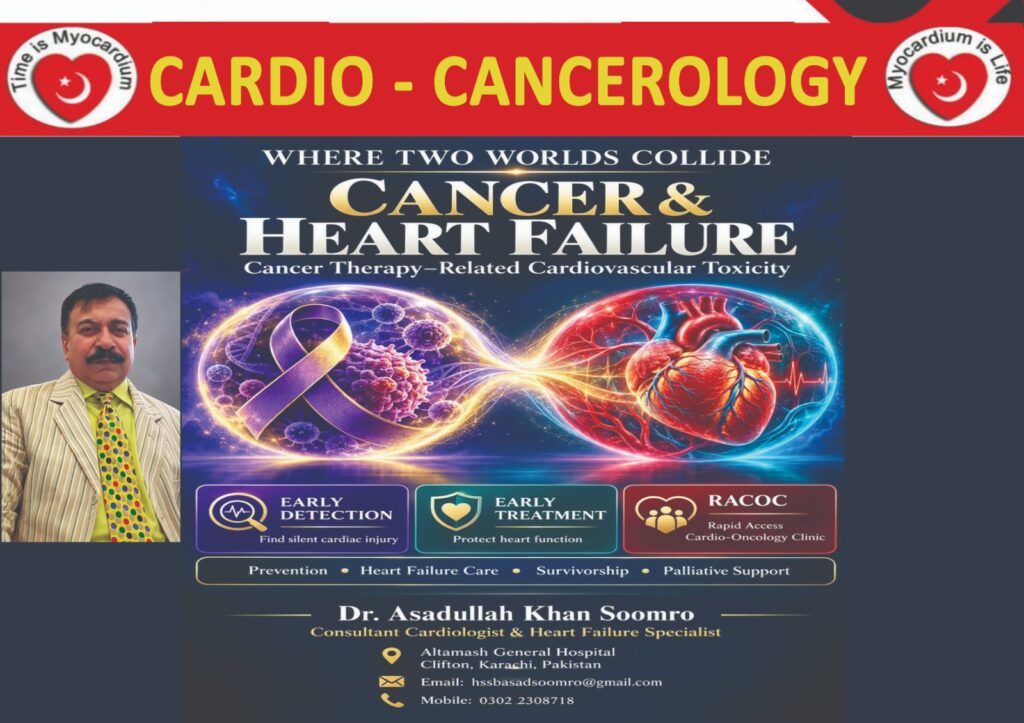
The message is clear: protecting the heart is an essential part of protecting the cancer survivor. Early risk assessment, appropriate monitoring and coordinated care can help patients pursue longer, healthier lives after cancer treatment.
Dr Asadullah Khan Soomro is a Consultant Cardiologist and Heart Failure Specialist at Altamash General Hospital, Clifton, Karachi.